

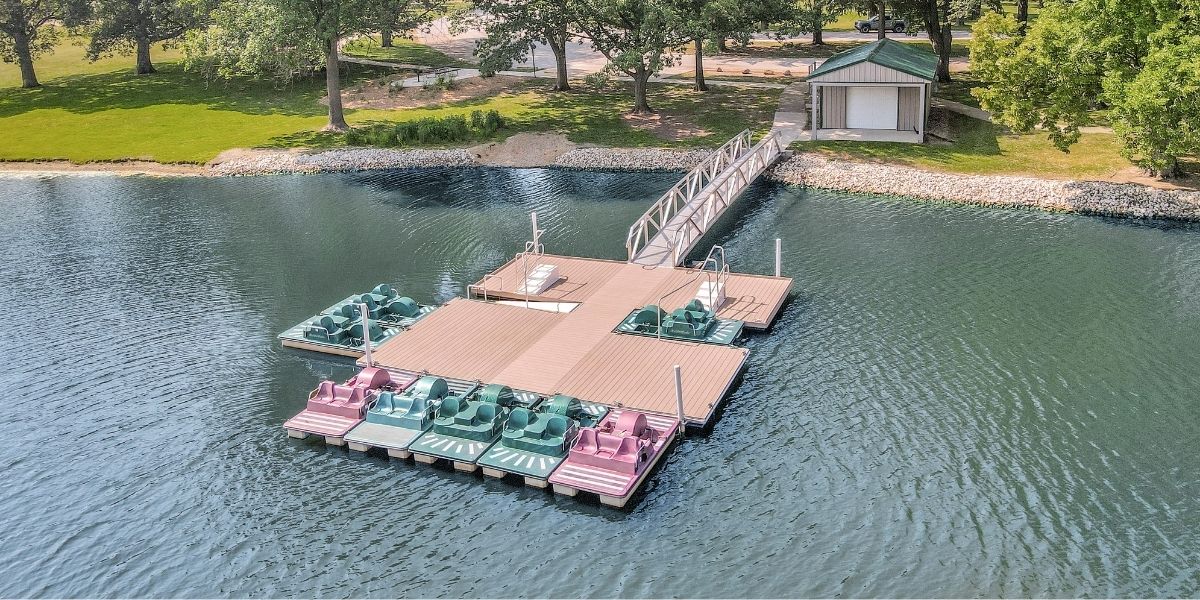
How Long Do Floating Docks Last? Lifespan, Maintenance, and Durability Factors Explained
If you are thinking about adding a dock to your waterfront property or managing one for a marina or public space, one of the first questions that usually comes up is how long do floating docks last. A floating dock is a big investment, so it makes sense to want clear answers before moving forward.
The good news is that floating docks are built for long-term use. In many cases, a quality system can last 20 to 30 years or more when it is designed well and cared for over time. In this guide, we will break down what affects a docks lifespan, how maintenance fits into the picture, and what you can do to keep your dock performing year after year.
This article is written for homeowners, marina operators, and public agencies who are in the consideration stage and want reliable, easy-to-understand information.
What Is a Floating Dock and Why Do People Choose Them?
Before diving deeper into how long do floating docks last, it helps to understand what makes floating docks different from other dock types.
A floating dock sits on the surface of the water and moves up and down as water levels change. Instead of being fixed into the lakebed or shoreline, it stays level by using flotation units attached to a strong frame.
Floating docks are popular because they offer several practical benefits:
- Adjust to tides, floods, and seasonal water changes
- Often easier to install than fixed docks
- Can be expanded or reconfigured over time
- Stay at a consistent height, which improves safety and access
These features make floating docks a smart choice for residential properties, rowing facilities, marinas, and government projects. If you want a deeper explanation of the mechanics behind this movement, this guide on how floating docks work explains it step by step.
How Long Do Floating Docks Last on Average?
So, how long do floating docks last in real-world conditions?
Most high-quality floating docks last between 20 and 30 years. Some last even longer, especially when built with durable materials and maintained regularly.
Here is a general breakdown based on dock quality and use:
- Entry-level floating docks: 15 to 20 years
- Mid-range modular systems: 20 to 25 years
- Commercial or heavy-duty docks: 25 to 30 years or more
It is important to remember that different dock components age at different rates. Decking, flotation, and hardware may need replacement at different times, but the overall system can continue to perform for decades. Systems designed using modular floating dock designs tend to last longer because individual sections can be replaced without rebuilding the entire dock.
What Factors Affect How Long Floating Docks Last?
Several key factors influence how long a floating dock will hold up. Knowing these ahead of time helps you choose the right system for your location and usage.
Dock Materials Play a Major Role
The materials used in a dock frame and decking have a big impact on lifespan.
Common frame materials include:
- Aluminum, which resists corrosion and holds up well in water
- Galvanized steel, which is strong but can rust over time
- Engineered or composite materials used in decking
Aluminum frames tend to last the longest, especially in saltwater or high-moisture environments.
Flotation Design and Quality Matter
Flotation keeps the dock level and stable. Poor-quality floats are one of the most common causes of dock failure.
High-quality flotation systems usually include:
- UV-resistant outer shells
- Foam-filled interiors that resist water absorption
- Secure attachment points to prevent shifting
Well-built flotation units can last 20 to 30 years when properly protected.
Environmental Conditions Affect Wear
Where the dock is installed plays a big role in how long it lasts.
Conditions that increase wear include:
- Saltwater exposure
- Ice and freezing temperatures
- Heavy wave action or boat wakes
- Strong sunlight and heat
Docks in harsher environments benefit from stronger materials and more frequent inspections.
Floating Dock Maintenance Tips That Help Docks Last Longer
A floating dock can last for decades, but it does not happen by accident. A dock sits in sun, water, wind, and boat wake day after day. Over time, small issues add up. The best way to protect your investment is to treat dock care like basic home upkeep. You do not need to be a contractor, you just need a simple routine and a few smart habits.
Floating Dock Maintenance Tips Every Owner Should Know
These floating dock maintenance tips focus on the most common places docks wear out first: hardware, decking, flotation, and connection points.
Here is the core checklist to follow:
- Inspect hardware and connections at least once per season
- Clean decking to remove algae, dirt, and debris
- Check flotation units for cracks, dents, or shifting
- Tighten bolts and connectors after storms or heavy use
- Remove debris trapped under or around the dock
That list is the foundation. Now let’s break each one down so you know what to look for and what to do next. Many of the issues that shorten dock lifespan are covered in more detail in this guide on dock maintenance tips.
1) Inspect Hardware and Connections
Hardware is where movement happens, so it is often where problems start. Connections loosen slowly over time from waves, foot traffic, and docking boats.
What to look for during a quick inspection:
- Loose bolts, nuts, pins, or brackets
- Rust, corrosion, or staining around fasteners
- Bent connectors or plates that look “pulled” out of alignment
- Gaps between dock sections that were not there before
- Squeaking, shifting, or extra movement when you walk on the dock
What to do if you find an issue:
- Tighten what is loose (do not over-tighten to the point you strip threads)
- Replace missing hardware right away
- If a connector looks bent or cracked, replace it instead of trying to force it back into shape
- If you see recurring loosening in the same spot, that is a clue the dock is getting extra stress there (from wakes, a lift, or frequent tie-ups)
Helpful habit: keep a small dock kit with spare bolts, nuts, and basic tools so you are not stuck mid-fix.
2) Clean the Decking
Dirty decking is not just a cosmetic issue. Slippery algae can be a safety problem. Dirt and organic buildup can also hold moisture and speed up wear on certain surfaces.
A simple cleaning routine:
- Rinse the surface to remove sand and grit
- Scrub algae or grime using a soft to medium brush
- Wash with a dock-safe cleaner that will not harm the waterway
- Rinse again so residue does not stay on the surface
What to avoid:
- Avoid harsh chemicals that can run into the water
- Avoid pressure washing at very high pressure if it can damage decking texture or force water into seams
- Avoid metal brushes that can scratch surfaces and create spots for grime to cling to later
If your dock gets slippery often, cleaning more frequently usually beats trying to “solve” it with aggressive products.
3) Check Flotation Units
Flotation is what keeps the dock level. If flotation is damaged, the dock may sit low, tilt, or put extra stress on the frame and connectors.
Signs flotation needs attention:
- One corner of the dock sits noticeably lower than the rest
- The dock feels “soft” on one end, like it dips when stepped on
- The waterline looks uneven along the dock edge
- You hear or feel creaking where the dock is trying to twist
- Floats look cracked, dented, or shifted out of position
What to check up close:
- Look for cracks, punctures, or deep gouges
- Check mounting points where floats attach to the frame
- Check for rubbing spots where floats contact brackets or other parts
- Look for signs of impact damage (common near boat tie-up areas)
If a float is compromised, address it quickly. Uneven flotation does not just affect comfort, it can shorten the life of the whole system.
4) Tighten and Recheck After Storms or Heavy Use
Storms and heavy boat wakes can shake a dock harder in one weekend than normal use does in a month. After rough weather, it is worth doing a fast walk-through.
Post-storm quick check:
- Walk the full dock and feel for unusual movement
- Look at hinge points and connectors for shifting
- Check mooring lines and bumpers (if used) to confirm the dock is not being pulled at a bad angle
- Re-tighten any hardware that loosened
- Remove branches, seaweed, or trash that may have lodged under the dock
If you are in a high-wake area, this check should happen more often, even if weather is calm.
5) Remove Debris Under and Around the Dock
Debris is a hidden stressor. Floating logs, branches, weeds, and trash can wedge under sections and push upward. Over time, that can strain brackets, floats, and frames.
Common debris problems:
- Vegetation wrapping around hardware
- Branches lodged between the shore and the first dock section
- Trash caught under connection points
- Floating objects repeatedly bumping the same edge and causing wear
Simple prevention steps:
- Clear buildup during regular inspections
- Add bumpers where boats contact the dock
- Keep the shoreline approach area clear so the first section is not constantly pushed
- If your site collects a lot of floating debris, consider a layout or anchoring adjustment so the dock does not drift into the problem area
A Simple Maintenance Schedule That Actually Works
A lot of people skip maintenance because they think it has to be complicated. It does not. Here is a simple schedule that covers most situations.
Monthly quick check (10 to 15 minutes)
- Walk the dock and note any new movement
- Scan for missing or loose hardware
- Look for slippery areas starting to build up
- Remove debris trapped near connectors
Seasonal check (spring and fall)
- Tighten key hardware across the entire system
- Clean the decking thoroughly
- Inspect flotation closely for damage or shifting
- Check anchors, pilings, or mooring points (depending on your setup)
After storms or heavy wake events
- Recheck connectors and hinges
- Look for impact damage near tie-up zones
- Clear debris that may have lodged underneath
Why Maintenance Has Such a Big Impact
When maintenance is skipped, wear spreads faster. Loose hardware puts extra stress on frames. Dirty surfaces hold moisture. Small flotation problems cause uneven weight distribution. A dock that gets routine attention almost always outlasts a neglected one by a wide margin.
Here is the chain reaction that often happens with “no maintenance” docks:
- One connector loosens slightly
- The dock starts to flex more than it should
- Flexing stresses nearby fasteners and frame points
- The dock begins to shift and rub in areas not designed for friction
- Decking starts to feel uneven and flotation may sit off-level
- Repairs become bigger and more expensive than they needed to be
A little attention early on is what stops that chain reaction.
Common Mistakes That Shorten Dock Lifespan
These are easy to avoid once you know what they are.
- Ignoring small wobbles (they rarely fix themselves)
- Letting algae build up until it becomes a safety issue
- Waiting too long to replace a bent connector
- Using the dock as a hard stop for boats without bumpers
- Storing heavy items in one spot, which can create uneven load over time
- Skipping post-storm checks, especially in high-wake areas
Questions Readers Often Ask About Floating Dock Maintenance
How often should we do floating dock maintenance?
For most owners, a quick monthly walk-through plus a deeper check in spring and fall is enough. Add a short inspection after storms or heavy wake events. This routine catches the problems that shorten lifespan the most.
What are the most important floating dock maintenance tips for extending lifespan?
If you only do a few things, focus on these: keep hardware tight, keep the decking clean, and keep flotation level. Those three areas control most early wear, movement, and safety issues.
How do we know if the dock is sitting unevenly?
Stand back and look at the dock edge compared to the waterline. Then walk the dock and pay attention to dipping corners. If one area consistently sits lower, check flotation and hardware in that section first.
Is slippery decking just a cleaning problem?
Most of the time, yes. Algae and organic buildup are common causes. Regular scrubbing and rinsing keeps traction better and reduces the chance of slips. If it stays slippery even after cleaning, it may be time to look at surface wear or drainage patterns.
What should we do if hardware keeps loosening in the same spot?
Recurring loosening usually means that area is taking extra stress, like heavy wake, frequent tie-ups, or twisting from uneven flotation. Tighten it, then inspect nearby flotation and anchoring to figure out why the stress keeps showing up.
When should we call a professional instead of fixing it ourselves?
It is smart to get help if you see major tilting, cracked structural parts, repeated hardware failures, or damage that looks like it affects the frame. If the dock no longer feels stable or safe, it is time to stop guessing and get it assessed.
Quick Takeaway Checklist
If you want the shortest version of this whole section, here it is:
- Keep connections tight and replace worn hardware early
- Clean decking before algae becomes a problem
- Watch flotation closely, level docks last longer
- Inspect after storms and heavy wakes
- Clear debris so it does not wedge under sections
Freshwater vs Saltwater Floating Dock Lifespan
Water type is another important factor when answering how long do floating docks last.
Floating Docks in Freshwater
Freshwater environments are generally easier on docks.
Benefits include:
- Less corrosion on metal components
- Slower material breakdown
- Lower maintenance demands
Many freshwater floating docks reach or exceed the 30-year mark.
Floating Docks in Saltwater
Saltwater is more demanding and requires stronger materials.
Challenges include:
- Faster corrosion on metal parts
- Greater UV exposure
- Increased wear on hardware
For saltwater use, aluminum frames and marine-grade hardware are strongly recommended.
How Dock Usage Affects Durability
How the dock is used every day also affects lifespan.
A dock used occasionally by a single household experiences much less stress than one used by rowing teams, service crews, or public access points.
Higher-use docks benefit from:
- Reinforced frames
- Thicker decking materials
- Commercial-grade connectors and fasteners
Choosing a dock designed for your specific use helps prevent early wear and damage.
Average Lifespan of Floating Dock Components
Not all parts of a dock age the same way. Here is a general overview of how long key components typically last.
| Dock Component | Typical Lifespan |
| Aluminum frame | 25 to 30+ years |
| Polyethylene floats | 20 to 30 years |
| PVC decking | 30 to 50 years |
| Wood decking | 10 to 15 years |
| Hardware and connectors | 10 to 20 years |
Replacing individual components over time is normal and helps extend the life of the entire system.
Signs Your Floating Dock Needs Maintenance or Repair
Knowing what to look for helps you act early.
Common warning signs include:
- Dock sections sitting unevenly in the water
- Loose or rusted hardware
- Soft spots or warping in decking
- Cracks or dents in flotation units
Catching these issues early often prevents more costly repairs later.
Why Modular Floating Docks Last Longer
One of the biggest advantages of floating docks is their modular design.
Modular systems allow you to:
- Replace worn sections instead of the entire dock
- Adjust layouts as needs change
- Upgrade decking or accessories over time
This flexibility helps floating docks stay useful and functional for decades.
Frequently Asked Questions About How Long Do Floating Docks Last
How long do floating docks last compared to fixed docks?
Floating docks often last as long as or longer than fixed docks. Because they move with the water, they experience less stress from changing water levels and shoreline movement.
How long do floating docks last in cold climates?
In colder regions, floating docks can last just as long when designed for ice conditions. Some owners remove docks seasonally, while others use systems built to handle freeze and thaw cycles.
Do floating dock maintenance tips really make a difference?
Yes, following floating dock maintenance tips can add years to a dock’s lifespan. Regular inspections and cleaning help stop small issues from turning into structural problems.
How often should floating docks be inspected?
Most dock owners inspect their dock twice a year, usually in spring and fall. Extra checks after storms or heavy use are also a good idea.
Can dock parts be replaced instead of the whole dock?
Yes, most modular floating docks allow individual sections, floats, or decking to be replaced. This helps control long-term costs and extends overall dock life.
How long do floating docks last in saltwater?
In saltwater environments, high-quality floating docks typically last 20 to 30 years. Using corrosion-resistant materials plays a major role in reaching that lifespan.
How Long Do Floating Docks Last and What That Means for You
So, how long do floating docks last when everything is considered? With strong materials, smart design, and regular care, floating docks often deliver decades of reliable use. Many systems last 20 to 30 years, and some go well beyond that with proper maintenance.
For homeowners, that means years of worry-free waterfront access. For marinas and public agencies, it means predictable performance and long-term value.
If you are considering a floating dock system or want help choosing the right setup for your location contact us for more information.


AccuDock is a global leader in the design and manufacturing of Floating Docks
CALL 954.785.7557 OR EMAIL [email protected] FOR MORE INFORMATION


