

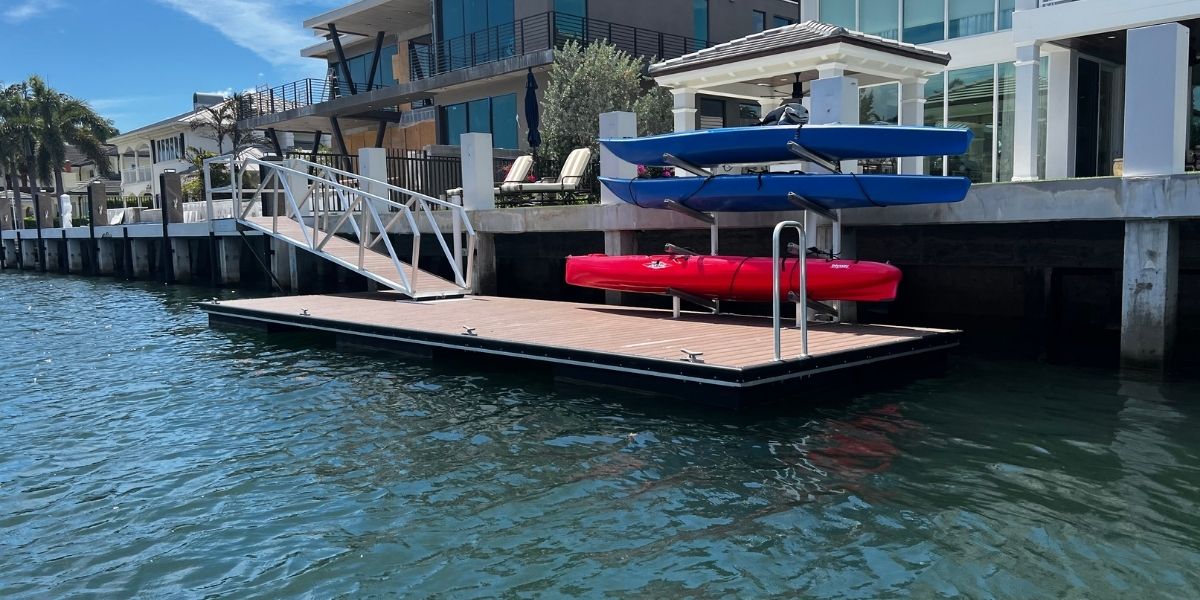
How Much Value Does a Dock Add to a Home
If you own waterfront property or are thinking about buying one, you have probably asked this question: how much value does a dock add to a home? It is a fair question, and an important one. A dock is not just an extra feature. For many buyers, it is the reason they choose one home over another.
A dock changes how people use a property. It turns the water from something you look at into something you enjoy every day. In this article, we will break down how much value does a dock add to a home, why buyers care so much, and why a house with a dock often sells faster and for more money.
Why Docks Matter So Much for Waterfront Homes
Waterfront homes already attract attention, but buyers want more than a nice view. They want access to the water. A dock provides that access in a simple and practical way.
With a dock, homeowners can:
- Tie up a boat or personal watercraft
- Launch kayaks or paddleboards, especially when the dock supports easy water access like a floating kayak launch
- Fish right from their property using setups similar to a residential fishing dock
- Swim safely away from the shoreline
- Spend time relaxing by the water
Without a dock, all of these activities take more effort or may not be possible at all. That is why buyers often see docks as a must have feature rather than a nice extra.
When thinking about how much value does a dock add to a home, it helps to remember that buyers are paying for convenience and lifestyle, not just wood or plastic over water.
How Much Value Does a Dock Add to a Home on Average?
There is no single number that fits every property, but real estate data and market trends give us a helpful range.
In many waterfront markets, a dock can increase a home’s value by 5 percent to 20 percent. In areas where docks are hard to permit or build, the value increase can be even higher. This is especially true in regions where buyers compare properties based on access to established marina infrastructure, as outlined in resources like the Florida marina guide.
Here is a general idea of how docks affect value in different settings:
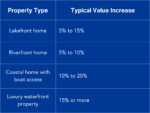
These numbers help explain how much value does a dock add to a home, but they can change based on local demand, water access, and dock quality.
House With a Dock: Why Buyers Will Pay More
Demand for a House with a Dock
A house with a dock often attracts more buyers and stronger offers. Many people shopping for waterfront homes already own boats or plan to buy one. They want a property that is ready to use from day one, without worrying about future dock construction, permitting delays, or design limitations often discussed when comparing a boat slip vs a dock.
Buyers often prefer a house with a dock because:
- Dock permits can take months or years
- Construction costs keep rising
- Local rules may limit new docks
- The dock is already approved and built
Because of this, buyers may skip homes without docks altogether. This demand helps explain how much value does a dock add to a home in real world sales.
Emotional Appeal Plays a Role
Docks also create an emotional response. Buyers picture mornings by the water, evening boat rides, and weekends spent outdoors. That emotional connection can push buyers to offer more or move faster.
While emotions do not show up on a spreadsheet, they often influence final sale prices.
What Impacts How Much Value a Dock Adds?
Not every dock adds the same amount of value. Several factors make a big difference.
Type of Dock
Floating docks are becoming more popular because they adjust to changing water levels. They often feel more stable and require less upkeep than traditional fixed docks.
Many buyers like floating docks because they:
- Work well in areas with tides or seasonal changes
- Can be expanded or reconfigured using modular floating dock systems
- Offer a clean and modern look
- Hold up better over time
These benefits can increase how much value does a dock add to a home, especially for long term buyers. Buyers who understand the difference between floating docks and fixed docks often lean toward floating systems for long term ownership.
Location and Water Conditions
Deep water access usually adds more value than shallow areas. Homes that can support larger boats often attract buyers willing to pay more.
Protected water, calm conditions, and easy navigation also increase dock value. Buyers often notice warning signs quickly, especially when they are familiar with common issues covered in guides like dock maintenance tips.
Local Rules and Permits
In some areas, getting approval for a new dock is very difficult. If a property already has a permitted dock, buyers may pay extra to avoid dealing with the approval process.
This is one of the strongest reasons how much value does a dock add to a home can vary so widely from one location to another.
Condition and Maintenance
A clean, well maintained dock adds value. A damaged or outdated dock can do the opposite.
Buyers may lower their offers if they expect repairs or replacement soon. Regular inspections and maintenance help protect dock value.
Is Building a Dock Worth the Cost?
Many homeowners want to know if building a dock makes financial sense. While every situation is different, docks often provide solid returns, especially in strong waterfront markets.
Here is a simple way to look at it:
- Average dock cost: $15,000 to $50,000 or more
- Possible increase in home value: $25,000 to $100,000 or more
- Daily lifestyle benefits: Immediate
Even if the full cost is not recovered at resale, many homeowners feel the years of enjoyment make it worthwhile.
When thinking about how much value does a dock add to a home, it helps to look beyond resale alone.
Floating Docks and Today’s Buyers
A lot has changed in waterfront living over the last decade. Buyers still want the fun parts, like boating, fishing, and sunsets on the water. But they also want practical features that make ownership easier. That is why floating docks have become such a strong selling point.
When buyers compare dock options, they usually think about one big thing: “How much work will this be to live with?” A floating dock often feels like the low stress answer because it is built to handle real world water conditions and daily use. Buyers who have done their homework often ask whether systems use materials like those discussed in are aluminum docks right for you.
Why Modern Buyers Lean Toward Floating Docks
A traditional fixed dock can work well in some locations, but it comes with limits. Water levels change. Shorelines shift. Storm seasons hit hard. Many buyers do not want to inherit a dock that feels outdated or too rigid for the conditions.
Floating docks tend to match what buyers want today because they are:
- Easier to live with when water levels rise or drop
- More flexible for changing needs over time
- Designed for stability and safer access
- Built with materials that hold up in rough environments
In other words, floating docks fit the way people actually use their waterfront homes now. That helps explain why floating docks can support the answer to “how much value does a dock add to a home.”
Steady Platforms That Rise and Fall With Water Levels
This is one of the first things buyers notice. A floating dock moves with the water. That matters in places with tides, seasonal lake changes, or storm driven fluctuations.
Here is why buyers care:
- The dock stays at a consistent height relative to the water surface
- Boarding a boat often feels easier and safer
- You are not stuck with a dock sitting too high during low water
- You avoid the frustration of a dock becoming unusable during certain seasons
For many waterfront buyers, this is not a small detail. It can be the difference between a dock that works every day and a dock that only works sometimes.
Modular Designs That Can Change Over Time
Buyers like options. A modular floating dock system gives them choices without needing to start over.
A modular design can be adjusted to match different goals, like:
- Adding a longer walkway later if the shoreline changes
- Expanding the platform for more entertaining space using boat dock ideas built with floating dock sections
- Creating a separate launch area for kayaks or paddleboards
- Adding an extra section for a second boat or personal watercraft
- Reworking the layout if the buyer upgrades boat size
This flexibility is a big reason floating docks appeal to long term owners. People do not always know what they will want five years from now. A modular dock gives them room to grow.
Materials Built for Long Term Outdoor Use
Many buyers have seen what happens to older docks. Rot, warping, rust, and constant repairs can turn a “waterfront dream” into a weekend project.
Floating dock buyers often ask questions about materials because they want fewer headaches. They look for systems that are designed for sun, water, and everyday wear.
Depending on the system, buyers may value:
- Materials that resist corrosion and rust
- Deck surfaces that handle sun exposure without breaking down quickly
- Components that are easy to replace if one section is damaged
- Hardware that stands up to wet, salty, or harsh environments
When a dock looks like it will hold up well, buyers feel more confident. That confidence can help protect the value of the property, especially when the buyer is comparing multiple waterfront listings.
Safer Access for All Ages and Abilities
Safety is a big deal for today’s waterfront buyer, especially for families, retirees, or anyone thinking about long term living. A floating dock can support safer access because it stays closer to the water surface, which often means fewer awkward steps and less strain.
Floating dock systems can also support features that buyers care about, such as:
- More stable footing
- Handrail options in key areas
- Wider walkway possibilities
- ADA friendly layouts when needed
Even for buyers who do not need accessibility features right away, the option matters. It signals that the dock can work for different stages of life. Many systems allow wider walkways, lower step heights, and layouts that support accessibility features similar to ADA kayak launch solutions, which buyers increasingly value even if they do not need them immediately.
What Buyers Usually Look For in a Floating Dock
Buyers tend to judge docks fast. They are scanning for “Will this work for me?” and “Will this be expensive to fix?”
Here are common things buyers look for when viewing a dock:
- Does it feel stable when walking on it?
- Does the height make it easy to step into a boat?
- Is the layout practical for how they plan to use the water?
- Does it look well maintained and clean?
- Are there signs of wear, damage, or unsafe sections?
- Can it be expanded or reconfigured later?
If the answers are mostly positive, the dock becomes a selling feature. If not, buyers may treat it like a problem they have to solve.
How Floating Docks Can Support Property Value
So how does this connect back to value? In simple terms, buyers often pay more for features that reduce future costs and make a home easier to enjoy.
A floating dock can support property value because it can:
- Reduce maintenance concerns for buyers
- Improve the everyday experience of waterfront living
- Increase the pool of interested buyers
- Help a home stand out as “ready to use”
- Match modern expectations for durability and flexibility
That does not mean every floating dock adds the same value. Condition, design, and fit for the property still matter. But when buyers see a floating dock system that looks stable, clean, and useful, it often strengthens their willingness to pay a premium.
Questions Readers Often Ask About Floating Docks
Do floating docks feel stable?
Most floating docks are designed to feel steady underfoot, but stability can depend on the dock’s size, anchoring method, and how it is installed. Buyers usually notice stability right away when walking on the dock. A well designed floating dock should not feel loose or unsafe during normal use.
Are floating docks only for calm water?
Floating docks work in many types of water, including areas with changing levels. That said, the best setup depends on wave action, wind, and shoreline conditions. A properly designed system should match the environment it is installed in, especially in areas that deal with storms.
Can a floating dock be expanded later?
Yes, and this is one of the biggest reasons buyers like modular systems. Many floating docks can be expanded, adjusted, or reconfigured as needs change. Buyers often view that as a long term advantage because it keeps the dock useful even if the homeowner’s lifestyle changes.
Do floating docks work for kayaks and paddleboards?
They are often a great fit. Because floating docks sit closer to the water surface, launching and returning from a kayak or paddleboard can feel easier. Many buyers who enjoy paddling see floating docks as a practical upgrade.
Will a floating dock help a home sell faster?
In many waterfront markets, a dock already adds appeal. A floating dock can add even more because it matches what modern buyers expect. A clean, well built dock that feels safe and usable can lead to more interest and fewer objections during the sale process.
Takeaways: Why Floating Docks Fit Today’s Waterfront Buyer
If you are trying to understand why floating docks matter, it helps to boil it down to a few points:
- Buyers want docks that work well even when water levels change
- Modular designs make the dock feel future friendly
- Durable materials reduce fear of constant repairs
- Safer access appeals to a wider range of buyers
- A well designed floating dock can support stronger buyer interest and perceived value
Floating docks do not just add function. They help buyers feel like the property is easier to own and enjoy. That confidence can play a real role in how buyers price a waterfront home when it is time to make an offer.
House With a Dock and Appraisals
Appraisers handle docks differently depending on the market. Some assign direct value, while others reflect dock value by comparing similar properties.
In areas where most waterfront homes have docks, a house without a dock may appraise lower. In those cases, a house with a dock meets buyer expectations and protects property value.
Keeping records of permits, materials, and installation details can help support appraised value during a sale.
Do Docks Help Homes Sell Faster?
In many cases, yes. Homes with docks often spend less time on the market.
A dock can:
- Attract more showing requests
- Reduce buyer hesitation
- Limit price negotiations
- Lead to faster offers
This faster sale is another reason how much value does a dock add to a home should not be measured by price alone.
Frequently Asked Questions About How Much Value Does a Dock Add to a Home
How much value does a dock add to a home in most areas?
In many waterfront markets, how much value does a dock add to a home ranges from 5 percent to 20 percent. Location, dock quality, and water access all affect the final number.
Does a floating dock increase value more than a fixed dock?
Floating docks often appeal to buyers because they handle water level changes better and need less upkeep. That can increase perceived value and buyer confidence.
Is a house with a dock easier to sell?
A house with a dock usually attracts more buyers and sells faster. Many buyers actively look for homes with docks and skip listings without one.
Can a dock ever hurt home value?
Yes, if the dock is unsafe or in poor condition. Buyers may expect repairs or removal, which can lower offers.
Do appraisers always count dock value?
Not always. Some include it directly, while others reflect it through comparable sales. Providing documentation can help support the value.
So, how much value does a dock add to a home? In most cases, it adds real financial value along with strong lifestyle benefits. A dock turns waterfront property into usable space and makes a home more appealing to buyers.
A house with a dock often sells faster, attracts stronger offers, and provides daily enjoyment for the homeowner. When built with quality materials and a flexible design, a dock can remain a valuable feature for many years.
If you are considering adding or upgrading a dock, working with a trusted dock manufacturer matters. Contact AccuDock for more information about modular floating dock systems designed for long term performance, flexibility, and waterfront living.


AccuDock is a global leader in the design and manufacturing of Floating Docks
CALL 954.785.7557 OR EMAIL [email protected] FOR MORE INFORMATION


