


Camp Waterfront Safety Planning for Parks: How Floating Docks Support ADA Compliance
When you run a park or camp with water access, safety is not optional: it’s essential. From swimming areas to kayak launches, every part of your shoreline needs careful planning. That’s where camp waterfront safety comes in.
Today, safety planning goes beyond putting up signs and hiring lifeguards. Parks also need to think about accessibility, water level changes, durability, and long-term maintenance. One of the smartest ways to support all of this? A well-designed floating dock system.
In this guide, we’ll walk through what strong camp waterfront safety planning looks like, how ADA compliance fits into the picture, and how floating docks can help you create a safer and more inclusive camp waterfront.
Why Camp Waterfront Safety Should Be a Top Priority
A waterfront is usually the busiest, most exciting part of a camp or park. It’s also the place where small problems can turn into big emergencies fast.
Think about what’s happening at the water’s edge on a normal day:
- Kids are running from the sand to the dock and back again
- Families are carrying coolers, life jackets, fishing gear, and towels
- Boats and kayaks are coming in and out
- People are stepping onto wet surfaces with wet feet
- Staff are trying to supervise multiple activities at once
That mix of movement + water + excitement creates real risk. And the truth is, most waterfront accidents don’t happen because people are being reckless. They happen because the area wasn’t designed to handle high traffic safely.
What “camp waterfront safety” really means
Camp waterfront safety isn’t just “have lifeguards” or “put up a few rules.” It’s a full plan that covers how people move, where they enter and exit the water, how equipment is stored, and what happens when weather or water levels change.
A strong camp waterfront safety plan helps you:
Reduce slips, trips, and falls
Wet decking, uneven transitions, loose sand, and cluttered walkways are common causes of injuries.
Helpful safety features include:
- Slip-resistant surfaces (especially on docks and ramps)
- Clear walking paths that stay wide and uncluttered
- Non-trip transitions between shore, ramps, and dock sections
- Good lighting for early morning and evening use
Create safer entry and exit points
A lot of waterfront injuries happen during the “in-between” moment: getting into a kayak, stepping onto a dock, climbing out of the water, or moving from shore to ramp.
Safer waterfronts usually include:
- Designated launch and landing areas (so people aren’t crowding one spot)
- Swim ladders or steps in the right locations
- Clearly marked swim zones vs. boat zones
- Calm-water entry areas for beginners and kids
Handle changing water levels
Water levels rise and fall in many lakes and reservoirs. That can change the height and angle of ramps and dock access points.
If access becomes too steep, too high, or too uneven, people are more likely to:
- Fall while stepping up or down
- Lose balance while carrying gear
- Get stuck or need assistance (especially wheelchair users)
Improve visibility for supervision
Safety is harder when staff can’t see what’s happening.
A good layout supports supervision by:
- Keeping sightlines open (no hidden corners or overcrowded edges)
- Separating activities so staff can monitor each zone
- Providing safe platforms for staff positioning, rescue gear, or instruction
Make sure everyone can participate
The goal isn’t just “no accidents.” The goal is a waterfront that’s usable and safe for everyone, including:
- People with mobility challenges
- Older visitors
- Parents with strollers
- Anyone who needs extra stability or support
When you design your waterfront for a wide range of users, it improves the experience for all visitors, not only those with disabilities.
The biggest benefit: fewer problems and a better visitor experience
When safety is built into the design from the start, you reduce:
- Emergency situations
- Staff stress and burnout
- Liability risks
- Complaints from visitors
You also create a waterfront that simply “runs smoother.” People know where to go. Movement is safer. Activities are easier to manage. That’s a win for staff, guests, and the organization.
ADA Requirements and Camp Waterfront Safety
Accessibility is a key part of modern waterfront planning, and it connects directly to camp waterfront safety. When someone can’t safely reach the dock, navigate the ramp, or board a kayak without help, that’s both an access problem and a safety problem.
The Americans with Disabilities Act (ADA) sets accessibility requirements for many public spaces, including parks and many camp facilities. The goal is simple: people with disabilities must have equal access to programs and activities.
What ADA compliance means at a camp waterfront
ADA doesn’t mean “one special area off to the side.” It means your waterfront should be designed so people can safely participate in the same activities whenever possible.
In a practical sense, ADA related camp waterfront safety planning often includes:
1. An accessible route to the dock
This means someone using a wheelchair or walker can get from the parking area or main path to the waterfront without barriers.
Common requirements involve:
- A continuous path with enough width for mobility devices
- Firm, stable surfaces (not deep sand or loose gravel)
- Gentle slopes and safe transitions
2. Proper ramp slopes and widths
Ramps and gangways are often the biggest challenge because water levels change. If a ramp becomes too steep, it becomes unsafe and may fall outside accessibility guidelines.
Good solutions may include:
- Gangways designed to maintain safe slopes as water changes
- Wide walking areas for passing and turning
- Landings when longer ramps are needed
3. Stable, slip-resistant surfaces
This is both an ADA and a safety issue. Slippery surfaces increase fall risks for everyone, especially people who need mobility support.
Look for:
- Textured, slip-resistant decking
- Materials that drain well and don’t hold algae buildup
- Even connections between dock sections
4. Handrails and edge protection
Handrails help many users, not just wheelchair users. They help kids, seniors, and anyone who needs extra balance.
Edge protection can include:
- Wheel stops or curbs to prevent roll-off
- Guard edges where required
- Visual cues to help people recognize boundaries
5. Transfer systems for kayaks and small boats
A dock may be accessible, but people also need a safe way to get into the activity. For kayaking, that can mean transfer platforms and launch areas designed for stability and safe movement.
Camp waterfront safety and ADA work best together
Here’s the simple way to think about it:
If a waterfront is safer for people with disabilities, it’s usually safer for everyone.
ADA focused improvements often reduce common risks like:
- Steep ramps
- Uneven surfaces
- crowding and bottlenecks
- unsafe step-ups and step-downs
How Floating Docks Improve Camp Waterfront Safety
Floating docks are often a better fit for parks and camps than traditional fixed docks for one simple reason: they move with the water instead of staying rigid. That “go with the flow” design can make your shoreline easier to use, safer for guests, and more accessible for people with mobility challenges.
Below are the biggest ways floating docks support camp waterfront safety, plus practical details that help you plan with confidence.
1. They Adjust to Changing Water Levels (and Reduce Trip Hazards)
Lakes, reservoirs, and rivers don’t stay at the same height all year. Rain, drought, dam releases, seasonal changes, and storms can raise or lower water levels fast.
Why this matters for safety:
Fixed docks stay in one position. When the water drops, you may end up with a bigger step down to the dock. When the water rises, your walkway or ramp can become awkward or even unsafe.
Floating docks rise and fall with the water. That means the dock surface stays at a more consistent height relative to the water line, which can help reduce:
- Sudden step-ups and step-downs
- Uneven transitions between shore and dock
- “Edge gaps” that catch toes or wheels
- Slips caused by people trying to “jump” a small height difference
Real-life camp scenario:
At a busy camp waterfront, kids are carrying towels, parents are hauling coolers, and staff are moving rescue equipment. When the dock height stays consistent, people are less likely to stumble, especially during high-traffic times like swim checks, boat rotations, or lessons.
Planning tip:
If your site has big seasonal water swings, prioritize a floating system with a shoreline connection that can handle those changes smoothly.
2. They Help Maintain ADA Slope Requirements (Even When Water Levels Change)
Accessibility is a major part of modern waterfront planning. ADA friendly access isn’t just a “nice extra.” For many parks and public programs, it’s expected and often required.
Why ramps are tricky:
Accessible routes typically need a slope that stays within safe limits. But when water levels change, the ramp angle can change too.
- If water drops, ramps can become too steep
- If water rises, the transition can become unstable or awkward
- Fixed structures can create pinch points or uneven joints
How floating docks help:
Floating dock systems commonly use adjustable gangways (often called ramps or access walkways) that are designed to adapt to changing water levels. This makes it easier to keep your route safer and closer to accessibility goals over time.
This supports camp waterfront safety because:
- People using wheelchairs, walkers, or canes have a more predictable path
- Staff pushing equipment (first aid kits, rescue boards, carts) have fewer “stuck” moments
- Everyone benefits from a smoother, more stable approach to the dock
Planning tip:
ADA friendly design is about the whole route, not just the dock. Think: parking → path → gate → ramp → dock → activity area.
3. They Offer Slip-Resistant Surfaces (Perfect for Wet-Foot Traffic)
A waterfront is basically a “wet zone.” Even when the weather is perfect, surfaces get slick from:
- Splashing
- Wet shoes and bare feet
- Algae or organic buildup
- Morning dew and humidity
- Mud tracked from shore
Why decking matters:
Many commercial floating dock systems include textured, slip-resistant decking designed to improve traction. That’s a big deal in camp environments where people move fast and don’t always watch their footing.
Ways slip-resistant surfaces improve camp waterfront safety:
- Fewer slips during swim changeovers
- Better footing for lifeguards and staff
- Safer access for seniors and mobility-limited visitors
- More stable movement while boarding kayaks, canoes, or paddleboards
Planning tip:
Even the best decking needs routine cleaning. Build maintenance into your safety plan so algae and grime don’t turn into slip hazards.
4. They’re Modular and Customizable (So You Can Design Safer Traffic Flow)
Floating docks are typically built in sections, like building blocks. That modular design isn’t just convenient: it’s a safety advantage.
Why modular matters for camp waterfront safety:
When you can shape the dock layout to match your activities, you can reduce overcrowding and keep the waterfront organized.
With a modular system, you can:
- Separate swim and boat areas (less mixing = fewer accidents)
- Create clear entry/exit points (less confusion during transitions)
- Add ADA friendly features like wider platforms, resting spots, or transfer areas
- Expand later when your program grows
- Reconfigure traffic flow if you learn a better layout after one season
Common safer layouts parks and camps use:
- T-shaped docks: better separation of activities
- Swim platforms: keeps swimmers away from boat traffic
- Dedicated launch lanes: reduces congestion and collisions
- Work/operations platform: gives staff a stable space away from guest traffic
Planning tip:
Think about “people flow” the same way you’d plan a hallway in a building. Where do people line up? Where do they pass each other? Where do instructors stand? Modular docks let you design around those real needs.
Extra Safety Benefits People Often Forget
Floating docks also support camp waterfront safety in a few underrated ways:
Better Supervision and Staff Control
A well-designed floating dock can create predictable zones for:
- Lifeguard scanning
- Instructor positioning
- Group staging (before lessons or boat rotations)
- Emergency access lanes
Easier Repairs and Less Downtime
Because floating docks are modular, if one section is damaged, it can often be repaired or replaced without tearing out the entire system, helping you keep the waterfront open and safe.
Safer Program Growth Over Time
As your park adds new programs, like rowing, adaptive kayaking, fishing platforms, and eco tours, you can expand the dock layout instead of forcing new activities into unsafe spaces.
Smart Layout Planning for Your Camp Waterfront
Design matters just as much as materials. A well-planned camp waterfront layout can prevent accidents before they happen.
Here are some important design ideas:
Separate Activity Zones
Avoid mixing swimming and boat traffic in the same space. Use dock extensions or T-shapes to separate:
- Swimming areas
- Kayak launches
- Fishing platforms
- Staff-only zones
This reduces confusion and lowers the risk of collisions.
Improve Supervision
Make sure lifeguards or staff have clear sightlines. Dock layouts should allow for:
- Easy movement during emergencies
- Stable platforms for rescue equipment
- Clear walking paths
Good camp waterfront safety planning always includes emergency thinking.
Plan for Emergency Access
Ask yourself:
- Can emergency responders reach the dock quickly?
- Is there proper lighting for early morning or evening use?
- Are ladders and grab points available?
The answers to these questions can make a major difference in a real emergency.
Maintenance and Long-Term Camp Waterfront Safety
A lot of people think waterfront safety ends the day the dock gets installed. In real life, it’s the opposite. The best camp waterfront safety plans are the ones that keep working month after month, because they include maintenance, inspections, and a clear plan for repairs.
A dock is like any other high-use facility in a park. If you don’t maintain it, small problems can turn into big problems fast, especially around water, where wet surfaces, sun exposure, and storms can wear materials down over time.
Here’s the good news: floating docks are often easier to maintain than traditional fixed docks, and that can be a major advantage for long-term camp operations.
Why Maintenance Matters for Camp Waterfront Safety
When a dock is used by kids, families, camp staff, and the public, it sees constant traffic. Add in wet feet, gear, coolers, fishing supplies, and boats bumping the edge, and you can see why regular upkeep matters.
Smart maintenance helps prevent:
- Loose boards or tripping hazards
- Slippery buildup (algae, mildew, grime)
- Sharp edges and splinters
- Weak connectors or shifting sections
- Unsafe ramp angles or unstable transitions
- Hidden structural damage after storms
In other words, maintenance is not just about “keeping it looking nice.” It’s about keeping your waterfront safe, accessible, and open for use.
Maintenance Advantages of Floating Docks
Floating docks offer several built-in benefits that make upkeep simpler and more predictable.
1. Corrosion-Resistant Materials
Many commercial floating docks are built with materials that handle water exposure better than traditional systems. That usually means fewer issues with:
- Rusting hardware
- Rotting wood
- Mold growth that damages structural parts
This is especially helpful for parks and camps that deal with frequent rain, humidity, and long seasons of use.
2. Modular Parts That Are Easy to Replace
One of the biggest long-term safety advantages is modular construction.
With a modular floating dock, the dock is made from sections. So if one area gets damaged, you can usually replace just that section instead of rebuilding the entire dock.
That matters because:
- Repairs cost less
- Repairs happen faster
- Downtime is reduced
- The rest of the dock often stays usable
For a busy camp waterfront, that’s a big deal.
3. Reduced Piling Rot Compared to Traditional Wood Docks
Fixed docks often rely on pilings. Over time, pilings can:
- Rot (wood)
- Corrode (metal)
- Shift as the shoreline erodes
- Crack from impact or storm debris
When pilings weaken, it can affect the stability of the entire dock. Floating docks reduce reliance on pilings, which can help lower this specific risk, especially in areas with changing water levels.
4. Easier Inspections
Inspection is a huge part of camp waterfront safety.
Floating docks make it easier to:
- Check connections and hinge points
- Monitor wear areas near high traffic zones
- Spot damage from boats bumping the edges
- Inspect ramp transitions and handrails
- Notice surface issues like cracks or warping
Because the structure is above the water and made of sections, staff can often identify problems sooner before they cause injuries.
Why Swapping Sections Improves Safety and Operations
Here’s the practical advantage: if a dock has a damaged area, you can isolate it and fix it without shutting down the entire waterfront.
That’s helpful for:
- Camps that run on tight schedules
- Parks that can’t afford long closures
- Public facilities with weekend crowds
- Rowing or kayaking programs that need consistent access
It also supports ADA planning. If you need to upgrade a ramp, add edge protection, or change the layout to improve accessibility, modular sections make that easier.
Maintenance Checklist for Camp Waterfront Safety
If you want a clear plan, this helps. Many parks and camps follow a routine like this:
Weekly During Peak Season
- Walk the full dock and ramp path
- Look for loose fasteners, raised edges, and wobble
- Check for slippery buildup and clean surfaces
- Confirm ladders, grab rails, and safety gear are secure
- Make sure signage is visible and readable
Monthly
- Inspect connectors, hinges, and couplers
- Check flotation alignment (dock riding level)
- Inspect handrails and edge protection
- Review ramp slope and transitions (especially after water level changes)
- Look for wear near launch areas and corners
After Storms or Heavy Weather
- Inspect immediately for shifting anchors or damage
- Look for debris impacts
- Check for changes in shoreline connection points
- Re-check the safest accessible route
This kind of routine helps parks prove they take camp waterfront safety seriously, and it reduces surprises.
Questions to Ask Before Installing a Dock
Before you choose a dock (or even pick a layout), it helps to slow down and ask a few practical questions. This step is a big part of camp waterfront safety planning because the “right” dock depends on how your park or camp actually uses the water.
Below are the most important questions to ask, plus simple explanations of why each one matters, what to watch for, and what a good answer looks like.
1. How many people will use the dock at one time?
This is one of the most important questions because crowding creates safety problems fast.
Why it matters
- More people means more movement, more gear, and more chances for slips and falls.
- A dock that’s too small can cause bottlenecks, pushing, or “pile-ups” at entry points.
- Overcrowding also makes it harder for staff to supervise and respond in an emergency.
What to consider
- Peak times (summer weekends, camp rotations, events, tournaments)
- Groups arriving all at once (school field trips, scout groups, day camps)
- Spectators (parents watching lessons, visitors observing rowing practice)
A helpful way to estimate
Ask: “What’s the biggest group we might have on the dock at once?” Then add a buffer. Most parks underestimate this at first, especially when programs grow.
2. What activities will the dock support?
Not all docks are built for the same purpose. A swim dock has different needs than a kayak launch. A rowing dock is different from a fishing pier. This question shapes everything: layout, accessories, safety features, and ADA support.
Common camp and park waterfront activities
- Swimming and water play
- Kayaking/canoeing launches
- Rowing and racing programs
- Fishing access
- Nature education and shoreline programs
- Staff operations (equipment movement, rescue readiness, rentals)
Why it matters for camp waterfront safety
- Different activities create different traffic flow.
- Mixing activities without planning can lead to collisions and confusion.
- Certain programs require more stability, more space, or specialized boarding areas.
Examples
- Swim docks usually need wide open space, ladders, and clear separation from boat traffic.
- Kayak launches benefit from low-freeboard areas (closer to water) and transfer platforms.
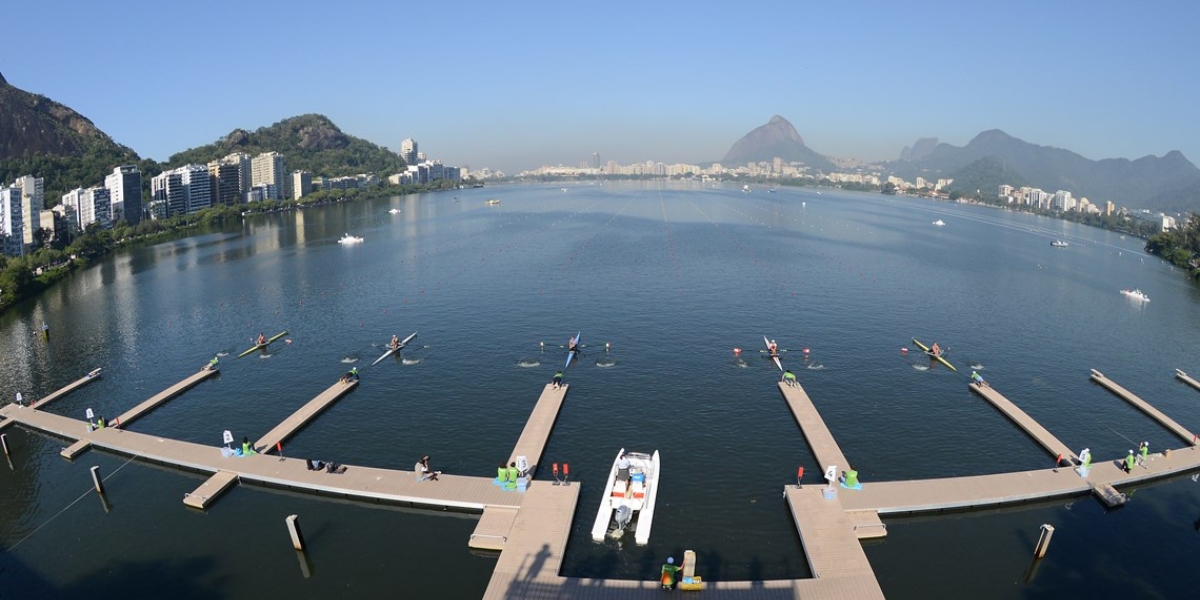
- Rowing docks need long, straight access points and organized lanes to avoid overlap.
3. How much does the water level change throughout the year?
This question is huge for both safety and ADA compliance.
Why water levels matter
- If the water rises or drops a lot, fixed docks can become unsafe.
- Shoreline connections can turn into steep ramps or awkward steps.
- Changing height can create trip hazards and make boarding harder, especially for seniors and people with mobility limitations.
How to think about it
- Seasonal rise/fall (spring melt, rainy season, drought)
- Controlled reservoirs (water level changes can happen quickly)
- Wake and wave action (boat wakes, wind chop)
Why floating docks help
Floating docks rise and fall with the water, so the dock stays at a more consistent height relative to the waterline. That reduces step-ups and tricky transitions, which supports better camp waterfront safety.
4. Do we need ADA compliant access, and what does that mean at a camp waterfront?
If your facility is public (or serves the public), accessibility is often required, and even when it isn’t legally required, it’s still a smart and inclusive choice.
ADA and boating/kayaking
This is where planning matters most. Many parks want:
- An ADA friendly kayak launch
- A transfer platform for easier boarding
- Space for helpers or staff to assist
How floating docks support ADA goals
Floating systems can be designed with:
- Adjustable gangways to help maintain safer slopes as water levels change
- Modular sections that create wider passing areas and rest zones
- Add-on accessories like handrails, edge curbs, and transfer platforms
5. What is our long-term maintenance budget?
A dock isn’t just a purchase: it’s an ongoing asset. Your budget should include inspection, repairs, cleaning, and component replacement over time.
Why this affects safety
Poor maintenance is one of the fastest ways a dock becomes unsafe:
- Loose hardware becomes trip hazards
- Worn decking becomes slippery
- Damaged flotation affects stability
- Warped surfaces create uneven transitions
What to plan for
- Routine inspections (especially during high-use seasons)
- Cleaning algae and grime for slip resistance
- Replacing wear parts (bumpers, fasteners, cleats, hinges)
- Storm checks after severe weather
6. Will staff need operational space?
This question often gets overlooked, but it matters a lot for both safety and daily operations.
Staff needs may include
- Lifeguard supervision points
- Rescue equipment storage (rings, reaching poles, first aid kits)
- Rental operations (life jackets, paddles, kayaks)
- Check-in stations for camps and programs
- Space to stage lessons or group briefings
Why it matters
If staff are squeezed into tight areas, it becomes harder to:
- Manage crowds
- Respond quickly to emergencies
- Keep gear from cluttering walking paths
A strong camp waterfront safety plan usually includes dedicated staff zones so the dock stays organized and clear.
Bonus Questions That Make Your Plan Even Stronger
If you want to plan like a pro, add these questions too:
7. What will the shoreline connection look like?
- Is the shoreline stable or eroding?
- Will we need a gangway, stairs, or ramp?
- Will the transition stay safe as water levels change?
8. What are the local environmental conditions?
- Wind exposure and wave action
- Debris risk (logs, vegetation, floating trash)
- Ice or seasonal freeze (in some regions)
9. Do we need separation between swim and boat zones?
Clear separation reduces collisions and confusion, especially in busy camp settings.
10. What is our emergency response plan?
- Where are ladders and rescue points?
- How will staff communicate?
- Can emergency responders reach the waterfront quickly?
A Smarter Camp Waterfront Plan
When you answer these questions honestly, you’re doing more than choosing a dock: you’re building a safer system.
A safer camp waterfront usually includes:
- A layout that matches real activities
- Enough space for peak crowds
- A design that works with changing water levels
- ADA friendly access where needed
- A realistic maintenance plan
- Clear space for staff operations and safety equipment
And if your camp or park expects growth, modular floating docks make it easier to expand and adjust the layout later without starting over.
Camp Waterfront Safety The Bottom Line
Strong camp waterfront safety planning is about more than checking a box. It’s about creating a space where everyone, including kids, families, seniors, and individuals with disabilities, can safely enjoy the water.
Floating dock systems offer:
- Adaptability to changing water levels
- Safer ramp connections
- Slip-resistant surfaces
- Modular flexibility
- ADA compliant design options
If you’re planning improvements to your camp waterfront and want to explore floating dock systems built for safety and accessibility, contact AccuDock or explore our camp and parks product line to learn more. A well-designed dock can make all the difference in building a safer, more inclusive waterfront experience.
This article was originally published on May 6, 2020 and has been updated on April 6, 2026 to provide the most accurate and relevant information
AccuDock is a global leader in the design and manufacturing of Floating Docks
CALL 954.785.7557 OR EMAIL [email protected] FOR MORE INFORMATION


