

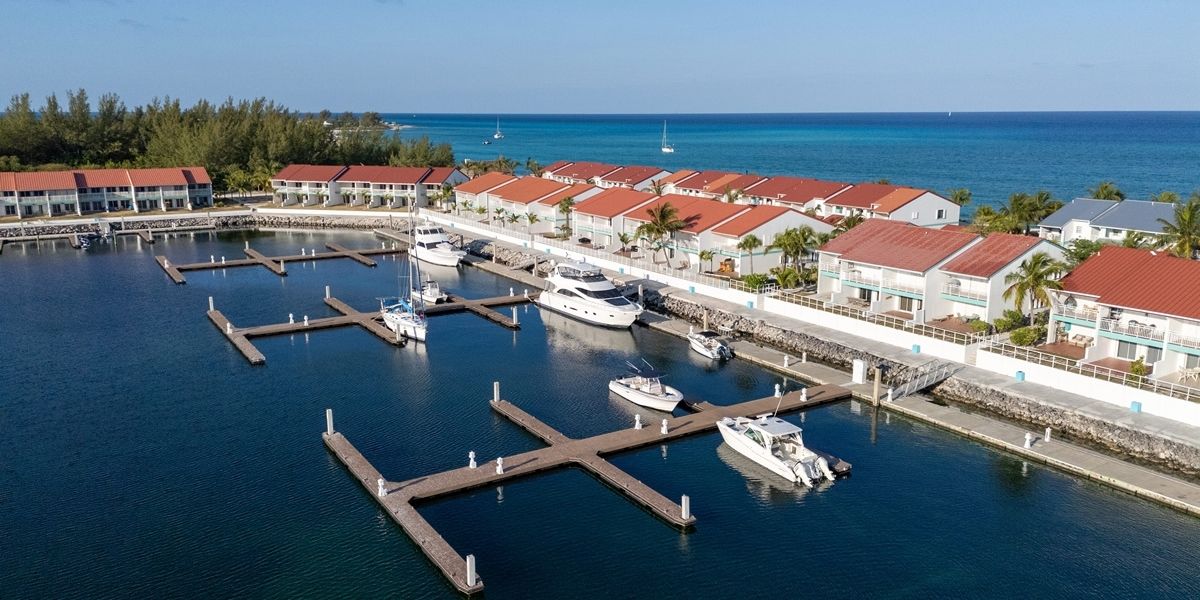
What are Industrial Grade Floating Docks? Engineering Features That Matter
Industrial grade floating docks are built for tough jobs and busy waterfronts. These are not the same docks you see behind a private home or small lake cabin. Industrial grade floating docks are designed to handle heavy use, higher loads, and changing water conditions without losing stability or safety.
If you are planning a marina, public access dock, work platform, or government project, it helps to understand what makes these docks different. This guide explains how industrial dock systems are built, what engineering features really matter, and why these docks are trusted in demanding environments.
What Are Industrial Grade Floating Docks?
Industrial grade floating docks are engineered dock systems made for commercial, public, and industrial use. They are built to support more weight, more traffic, and more wear than residential docks, similar to the systems outlined in this overview of modular floating dock systems for industrial docks.
You will often see these docks used for:
- Commercial marinas with frequent boat traffic, including layouts designed around marina design insights
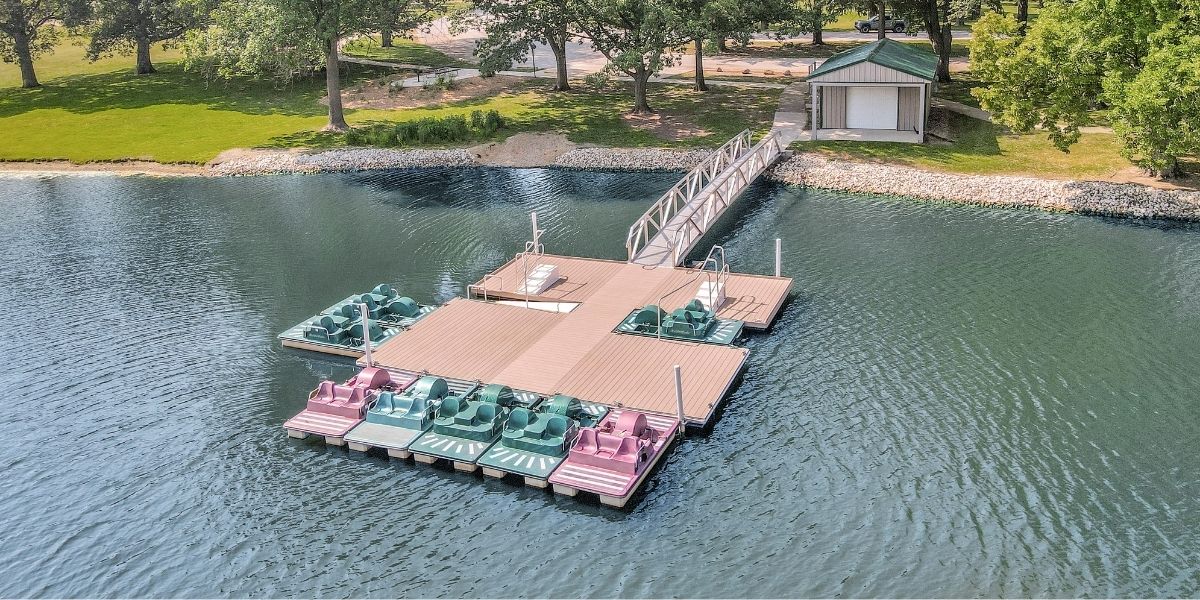
- Public waterfront parks and access points
- Government and municipal projects
- Construction and maintenance platforms
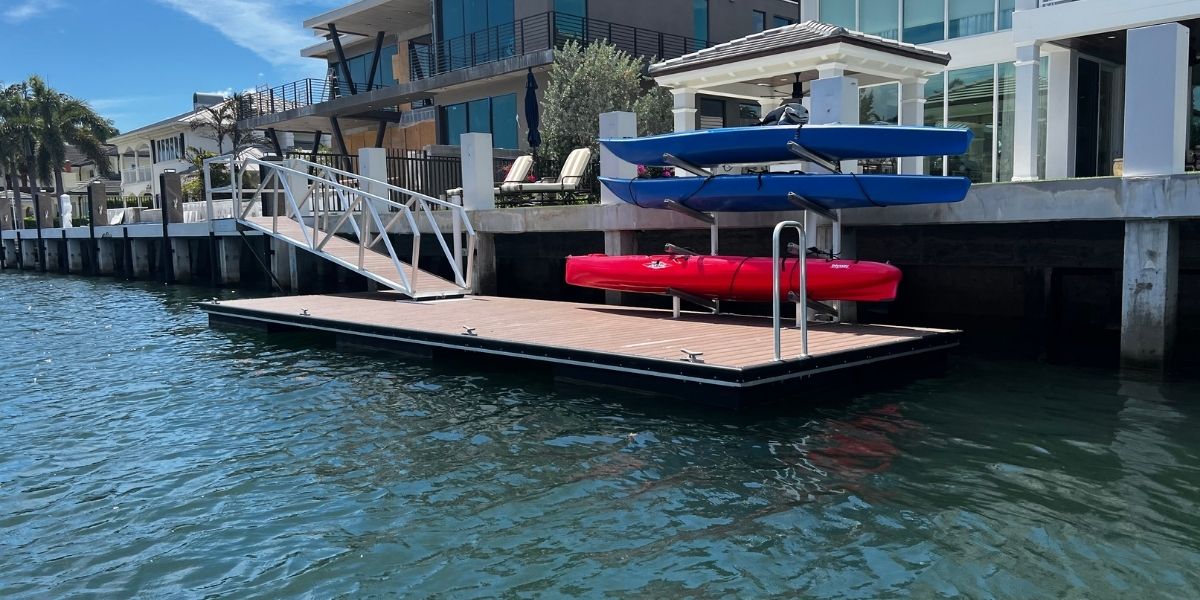
- Rowing, kayaking, and training facilities
The difference is not just size. Industrial grade floating docks use stronger materials, better flotation, and more advanced connection systems. Every part of the dock is designed to work together as one system.
Why Engineering Matters More Than Looks
It’s easy to judge a dock by what you can see. Straight lines, clean decking, nice rails, and a polished finish can make any system look “high quality.” But in real industrial conditions, looks do not keep people safe. Engineering does.
A dock can look strong and still fail if the structure, flotation, and connections were not designed for the job. That is why industrial projects should always start with performance requirements, then work backward to the design. Industrial docks deal with problems residential docks rarely face, especially when compared to lighter-duty systems like those discussed in floating dock vs fixed dock comparisons.
Industrial docks deal with problems residential docks rarely face
Industrial waterfronts are harder on dock systems than most people realize. Even on a “normal” day, docks may deal with:
- Constant foot traffic from staff, vendors, or the public
- Carts, pallet jacks, and equipment being moved on and off the dock
- Boats pushing and pulling at the dock during docking, fueling, or loading
- Waves, wakes, and wind that create ongoing movement
- Water levels that change with tides, storms, or seasonal shifts
- Long hours of sun exposure that can weaken certain materials over time
- Saltwater spray that speeds up corrosion
A dock that is engineered for these conditions behaves differently than a dock that is simply built to float.
What Good Engineering Actually Does For You
When a dock is designed as an engineered system, each component is chosen and sized to work together. That includes the frame, flotation, connectors, decking, and anchoring method. The goal is not just to “make it work,” it is to make it work reliably under stress.
Good engineering helps with:
- Keeping surfaces level and safe: A stable dock should sit evenly in the water and feel predictable underfoot. Engineering decisions like flotation placement, load ratings, and frame stiffness all affect whether the dock stays level when people and equipment move across it. Concepts like maintaining proper freeboard are critical in industrial systems, as explained in discussions around the importance of freeboard height.
- Handling heavy loads and equipment: Industrial grade floating docks often need to support concentrated loads, not just evenly spread weight. Think tool carts, dock boxes, fuel lines, gangway landings, or maintenance equipment. Engineering prevents sagging and flexing that can occur when docks are not rated correctly for real use, a problem often seen in lower-grade systems described in basic dock construction overviews.
- Reducing long term repair costs: Dock repairs are rarely cheap, and they usually cost more than just the repair itself. You may need to close sections, hire divers, bring in equipment, or interrupt operations. A better engineered dock can lower the frequency and severity of repairs.
- Avoiding downtime from dock failures: Downtime is a real cost for marinas, municipalities, and industrial sites. A failed connection, damaged flotation unit, or unstable deck panel can take sections of a dock out of service. Engineering reduces the risk that one problem becomes a larger operational disruption, especially in environments exposed to storms or surge, where dock protection after a hurricane becomes critical.
- Meeting safety and accessibility standards: Public and commercial docks may need to meet ADA, local building rules, or site-specific safety standards. Engineered systems can support layouts similar to ADA kayak launch solutions and other compliant designs.
Performance-First Thinking: What “Looks Strong” Can Miss
Here is the key idea: docks do not fail because they look bad. They fail because they are asked to do more than their design can handle.
A dock might look clean and sturdy, but still have hidden weaknesses like:
- Frames that flex too much under load
- Flotation that is not rated for the actual weight demands
- Connections that loosen over time due to constant movement
- Decking that becomes slippery or unstable in wet conditions
- Anchoring that allows too much drift or misalignment, especially in areas where mooring vs docking decisions matter
In industrial settings, these issues show up quickly because the dock gets used hard. In public settings, these issues become safety problems.
What Engineering-Focused Dock Design Usually Includes
When you are evaluating industrial grade floating docks, it helps to know what strong engineering typically covers. These are the areas where performance is decided:
- Load design: Rated capacity for both distributed loads and concentrated loads
- Structural design: Frame strength, bracing, and how loads transfer across modules
- Flotation design: Buoyancy that matches real use cases, not just minimum floatation
- Connection design: Hardware built to allow movement without loosening or binding
- Surface safety: Decking traction, edge protection, and stable transitions
- Anchoring and alignment: Systems that keep the dock positioned correctly in varied conditions
- Material selection: Corrosion resistance, UV resistance, and long term durability, such as those discussed in why dock stabilizers are essential
When these elements are planned correctly, the dock does not just “look good.” It performs consistently.
A Quick Example: The Difference Between “Stable” And “Safe”
A dock can feel stable when it is empty. Then someone rolls a heavy cart across it, or a wake hits the side, and everything changes. That is why industrial docks are evaluated under real loading and real movement, not just appearance.
A safer dock system typically:
- Stays level when traffic shifts
- Has predictable movement instead of sudden rocking
- Keeps connections tight and aligned
- Maintains traction during rain, spray, and algae growth
- Holds its freeboard over time without slowly sinking lower
Questions Readers Often Ask About Engineering Vs. Appearance
How can a dock look strong but still fail?
Because many problems are not visible at first. Flexing frames, under-rated flotation, and weak connectors can all look fine until the dock is used daily. Industrial use exposes weaknesses faster because loads are heavier and movement is constant.
What is the biggest engineering mistake people make with floating docks?
One common mistake is choosing a system based on a general “weight limit” without understanding how the weight will be applied. Concentrated loads (like equipment, gangways, or fuel stations) stress docks differently than evenly spread foot traffic.
How do I know if a dock is engineered for industrial use?
Look for clear load ratings, documented materials, connection designs built for movement, and flotation designed for long-term buoyancy. A true industrial system should be able to explain how it handles real conditions like wakes, tides, and heavy traffic.
Does better engineering always mean higher cost?
Not always, but better engineering often increases upfront cost because the system uses stronger materials and more durable components. The tradeoff is that you often save money over time through fewer repairs, less downtime, and longer service life.
If appearance is not the priority, should we ignore it?
No. Appearance still matters, especially for marinas and public waterfronts. The difference is that appearance should come after performance. A good dock system should look professional, but it also needs to stay safe and reliable long after the first season.
Industrial dock projects do not succeed because the dock looks impressive on day one. They succeed because the dock stays stable, safe, and reliable through daily use, rough conditions, and changing water levels. That is why industrial grade floating docks focus on engineering and performance first. Style can always follow, but strength and reliability have to come first.
Strong Structural Frames Are the Foundation
The frame is what holds the dock together. In industrial dock systems, the frame must support weight evenly and allow the dock to move naturally with the water. Many project planners evaluate this choice by reviewing whether aluminum docks are right for you before finalizing specifications.
Common Frame Materials
Most industrial docks use aluminum frames. Aluminum is strong, lightweight, and resistant to corrosion, which makes it a good choice for marine environments.
Benefits of aluminum frames include:
- High strength without excessive weight
- Resistance to rust and corrosion
- Long service life in fresh or saltwater
- Support for modular dock designs
Frame design also plays a role. Cross supports, connection points, and extrusion thickness all affect how the dock handles stress and movement.
Flotation Systems Designed for Long Term Use
Flotation keeps the dock afloat and level. In industrial grade floating docks, flotation is designed to perform for many years without absorbing water or losing buoyancy. Understanding how flotation works is easier when reviewing resources like how floating docks work.
Key Flotation Features
- Encapsulated foam that stays sealed
- UV resistant outer shells
- Even buoyancy across dock sections
- Load ratings matched to real use needs
Low quality flotation can slowly take on water. When that happens, the dock sits lower and becomes uneven. Industrial systems avoid this problem with sealed flotation that stays stable over time.
High Performance Floating Docks and Load Capacity
Why Load Ratings Are Important
High performance floating docks are built to handle real world demands. Load capacity is one of the clearest ways to measure performance.
Industrial docks are rated for:
- Weight per square foot
- Concentrated loads from equipment
- Moving loads like carts or small vehicles
Higher load ratings improve safety and reduce the risk of damage.
Connection Systems That Handle Movement
Floating docks are designed to move. Water levels rise and fall. Waves and wakes hit the dock. Boats push and pull on it.
Industrial grade floating docks use strong connection systems that allow controlled movement without breaking or loosening.
Important connection features include:
- Heavy duty hinges or couplers
- Marine grade hardware
- Designs that prevent binding
- Easy access for inspection
Weak connections are one of the most common failure points in low-quality docks, which is why industrial systems place extra focus on this area, similar to the considerations outlined in guides to dock hardware and equipment.
Decking Built for Industrial Environments
Decking affects safety and maintenance. Industrial docks often use composite, aluminum, or PVC decking instead of wood.
Advantages of industrial decking materials:
- Slip resistant surfaces for wet conditions
- Resistance to rot and insects
- Consistent performance year round
- Lower maintenance needs
The right decking choice depends on how the dock will be used. A work platform has different needs than a public kayak launch.
Modular Design Makes Docks More Flexible
One of the biggest benefits of industrial grade floating docks is modular design. Modular docks are built in sections that connect together.
Benefits of Modular Dock Systems
- Easy expansion or reconfiguration
- Simple replacement of damaged sections
- Ability to add ramps, rails, or utilities
- Support for ADA compliant layouts
This flexibility allows dock systems to grow and change as needs evolve.
Where Industrial Grade Floating Docks Are Used
These docks support many industries and applications.
Common uses include:
- Marina slips and fueling areas
- Public boardwalks and access docks
- Rowing and paddling facilities
- Construction staging platforms
- Government and military installations
Each application has different demands. That is why engineering and customization matter so much.
Accessibility and Compliance Considerations
Many industrial dock projects must meet regulations and standards. These may include:
- ADA accessibility requirements
- Local and state building codes
- Environmental guidelines
- Safety and load regulations
Dock systems designed with compliance in mind help projects move forward smoothly.
Frequently Asked Questions About Industrial Grade Floating Docks
What makes industrial grade floating docks different from residential docks?
Industrial grade floating docks are built to support heavier loads and more frequent use. They use stronger frames, higher quality flotation, and heavy duty connections.
How long do industrial grade floating docks last?
With proper materials and routine inspections, industrial grade floating docks can last for decades. Design quality plays a big role in lifespan.
Are high performance floating docks good for public access?
Yes. High performance floating docks are commonly used in parks and public waterfronts because they stay stable and support ADA compliant access.
Can industrial dock systems be changed later?
Most industrial docks are modular. This allows sections to be added, removed, or rearranged as needs change.
What maintenance is required?
Maintenance usually includes checking hardware, connections, and decking. Industrial grade floating docks are designed to reduce ongoing upkeep.
Do floating docks handle water level changes well?
Floating docks rise and fall with the water. This makes them ideal for areas with tides or seasonal water changes.
Choosing the Right Dock System
Picking the right dock means thinking beyond initial cost. Long term performance and reliability matter more.
Consider these factors:
- How the dock will be used
- Weight and load needs
- Water conditions
- Compliance requirements
- Future expansion plans
These details help determine whether a dock system truly meets industrial standards.
Industrial grade floating docks are built for strength, stability, and long term use. Their engineering focused design supports safety and performance in demanding environments. From frames and flotation to connections and decking, every component matters.
If your project requires durability and flexibility, industrial grade floating docks are a proven choice. To learn more about floating dock systems designed for commercial, government, and industrial use, contact AccuDock for more information or explore our floating dock production line.


AccuDock is a global leader in the design and manufacturing of Floating Docks
CALL 954.785.7557 OR EMAIL [email protected] FOR MORE INFORMATION


