

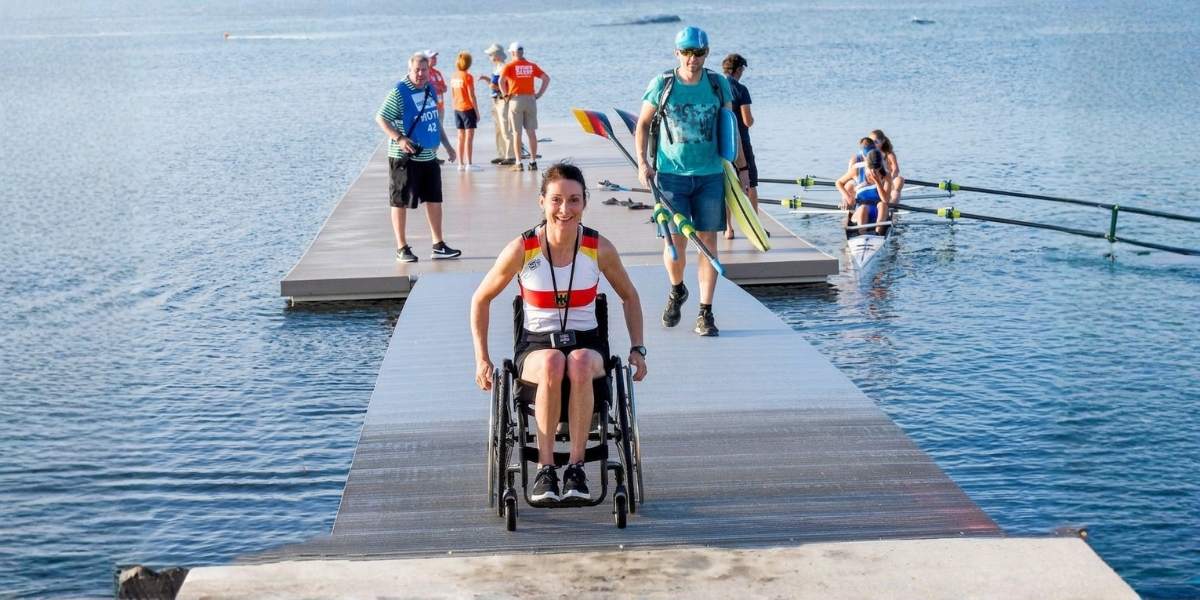
ADA Rowing Dock Design: Creating Accessible Launch Systems for Para-Rowing
Adaptive rowing is growing quickly across the United States. Schools, rowing clubs, parks, and rehabilitation centers are all looking for better ways to make rowing more accessible for athletes with disabilities. One of the most important parts of that effort is building the right ADA rowing dock.
An ADA rowing dock is designed to help para-rowers safely enter and exit rowing shells. These dock systems focus on accessibility, stability, safety, and ease of movement for athletes who may use wheelchairs, transfer equipment, or adaptive rowing gear.
Today, many rowing programs are moving away from older dock systems that were not built for adaptive sports. Instead, they are investing in floating dock systems that improve access to the water for athletes of all ability levels.
Modern accessible rowing facilities are about more than meeting regulations. They help athletes train independently, improve safety on the water, and create more inclusive sports programs for the entire community.
Why Accessible Rowing Infrastructure Matters
Adaptive rowing, also called para-rowing, gives athletes with physical disabilities or mobility challenges the chance to participate in rowing programs and competitions.
Over the last several years, adaptive rowing has expanded through:
- School athletic programs
- Community rowing clubs
- Veterans programs
- Rehabilitation centers
- Paralympic development teams
- Municipal recreation programs
As participation grows, facilities need launch systems that are safer and easier to use.
Many older rowing docks were built only for able-bodied athletes. These traditional docks often create problems for para-rowers because they may have:
- Narrow walkways
- Steep ramps
- Slippery surfaces
- Large height differences between dock and boat
- Limited wheelchair access
- Unstable dock movement
An ADA rowing dock helps reduce these problems by creating a more stable and accessible launch area.
For many adaptive athletes, independence is one of the biggest goals. A properly designed dock can help rowers move through the launch process with less assistance from coaches or volunteers.
What Is an ADA Rowing Dock?
An ADA rowing dock is a dock system designed to help athletes with disabilities safely access rowing shells and participate in rowing programs. These docks are built to improve accessibility, stability, and safety during the launch and recovery process.
Unlike standard marina docks that are mainly designed for recreational boating, rowing docks are made specifically for rowing shells. Rowing shells are long, lightweight boats that sit low in the water and can easily tip or shift during entry. Because of this, rowing docks need to provide a stable and predictable launch area, especially for para-rowers who may use wheelchairs, transfer equipment, or adaptive seating systems.
An ADA rowing dock helps create a safer experience by reducing barriers that can make rowing difficult for athletes with mobility challenges.
Why ADA Rowing Docks Matter
Adaptive rowing programs continue to grow across schools, universities, rehabilitation centers, community rowing clubs, and competitive racing organizations. As more facilities expand inclusive sports programs, there is a greater need for waterfront infrastructure that supports athletes of all ability levels.
Many older docks were never designed with accessibility in mind. Some common problems with traditional dock systems include:
- Narrow pathways
- Steep ramps
- Slippery surfaces
- Large gaps between dock and boat
- Unstable dock movement
- Difficult wheelchair access
- Limited transfer space
These problems can make entering or exiting a rowing shell stressful and unsafe.
A properly designed ADA rowing dock helps reduce these challenges by creating a launch system that is easier to use and more comfortable for adaptive athletes.
Common Features Found in an ADA Rowing Dock
Most accessible rowing dock systems include features that improve both safety and usability.
Floating Dock Sections
Many rowing facilities use floating docks instead of fixed docks. Floating systems rise and fall with changing water levels, helping keep the dock at a more consistent height compared to the rowing shell.
This matters because water conditions constantly change due to:
- Rainfall
- Tides
- Reservoir fluctuations
- Boat wakes
- Seasonal weather changes
A floating dock helps reduce the height difference between the dock and the shell, making transfers easier for athletes with limited mobility.
Floating docks also help reduce sudden movement during boarding.
Wheelchair-Accessible Gangways
Gangways connect the shoreline to the dock system. On an ADA rowing dock, gangways are designed to provide smoother wheelchair access and safer movement for athletes, coaches, and support staff.
Accessible gangways are typically:
- Wider than standard walkways
- Built with slip-resistant surfaces
- Designed with gentler slopes
- Equipped with handrails when needed
These features help athletes move safely between land and water access areas.
Stable Transfer Areas
Transfer areas are one of the most important parts of an accessible rowing dock.
A transfer area is a space where an athlete moves from a wheelchair or support device into the rowing shell.
These spaces may include:
- Transfer benches
- Extra-wide dock platforms
- Stabilization rails
- Flat staging areas
- Wheelchair turning space
Because rowing shells are narrow and balance-sensitive, stable transfer areas help reduce the risk of tipping or injury.
Slip-Resistant Dock Surfaces
Waterfront environments are constantly wet. Dock surfaces can quickly become slippery from:
- Rain
- Splashing water
- Morning condensation
- Mud or debris
- Boat traffic
An ADA rowing dock typically uses textured or slip-resistant decking materials to improve traction and reduce fall risks.
Many facilities choose composite decking or textured polyethylene surfaces because they hold up well in marine environments and require less maintenance than wood.
Lower Dock Heights
Dock height plays a major role in accessibility.
Most rowing docks are built with lower freeboard heights, which means the dock sits closer to the water surface. This reduces the distance athletes need to move when entering or exiting the shell.
Lower dock heights are especially helpful for:
- Wheelchair transfers
- Athletes with limited mobility
- Adaptive rowing equipment
- Assisted transfers
However, dock height also needs to balance safety and stability in rough water conditions.
Wide Pathways and Open Layouts
Adaptive rowing programs often require more maneuvering space than traditional rowing facilities.
Wide pathways help create room for:
- Wheelchairs
- Coaches
- Volunteers
- Boat carriers
- Adaptive equipment
Open layouts also improve traffic flow during busy practices or regattas.
Handrails and Support Systems
Some athletes benefit from additional balance support during transfers and movement around the dock.
Handrails and support systems may be added near:
- Gangways
- Transfer areas
- Staging platforms
- Launch zones
These features can improve confidence and safety for athletes who need extra stability.
Why Floating Docks Are Often the Best Choice
Most modern ADA rowing dock systems use floating dock technology because floating docks adapt better to changing water conditions.
Fixed docks remain at one height year-round. During low water conditions, the dock may sit much higher than the rowing shell, making transfers harder and less safe.
Floating docks move with the water, helping maintain a more consistent relationship between the dock and the shell.
This creates several advantages:
- Easier shell access
- Better transfer positioning
- Improved athlete safety
- More predictable launch conditions
- Reduced strain during entry and exit
Floating systems are also easier to expand using modular dock sections.
Who Uses ADA Rowing Docks?
Accessible rowing docks are used by many different organizations and programs.
These include:
- High school rowing teams
- Universities
- Adaptive sports organizations
- Rehabilitation centers
- Veterans programs
- Public parks
- Competitive rowing clubs
- Paralympic training facilities
Some facilities use accessible docks for competitive racing, while others focus on recreation or therapy programs.
What Makes Accessible Rowing Docks Different From Marina Docks?
Many people assume any dock can support rowing access, but rowing shells have very different needs than recreational boats.
Traditional marina docks are usually designed for:
- Powerboats
- Pontoon boats
- Fishing vessels
- Recreational waterfront access
Rowing shells are:
- Longer
- Narrower
- Lower to the water
- More sensitive to movement
Because of this, accessible rowing docks require more careful planning around:
- Stability
- Dock height
- Transfer space
- Athlete movement
- Traffic flow
A dock that works well for recreational boating may not work well for adaptive rowing.
Why Accessibility Benefits Everyone
While these docks are designed for para-rowers, accessibility features often improve the experience for all users.
For example:
- Wider pathways improve traffic flow
- Slip-resistant surfaces improve safety
- Stable floating systems create smoother launches
- Gentler gangways are easier for all visitors to use
Parents with strollers, older adults, coaches carrying equipment, and beginner rowers often benefit from accessible dock design as well.
Understanding the Needs of Para-Rowers
Every adaptive athlete has different mobility needs. Some rowers walk independently, while others may use wheelchairs or adaptive support systems.
Because of this, accessible dock design needs to be flexible.
Different Athletes Need Different Types of Access
Para-rowers may need:
- Extra space for wheelchairs
- Transfer benches
- Lower dock heights
- Additional support rails
- Assistance from coaches
- Adaptive rowing seats
- Stable launch areas
A good ADA rowing dock takes all of these needs into account.
Stability Is Extremely Important
Rowing shells are lightweight boats that can easily shift during entry and exit.
For adaptive athletes, dock stability becomes even more important because transfers often happen more slowly and carefully.
Dock movement can make boarding difficult and unsafe. That is why many accessible rowing docks use flotation systems designed to reduce rocking and side-to-side movement.
Why Floating Docks Work Well for Adaptive Rowing
Floating dock systems are often the best choice for accessible rowing programs because they move with changing water levels.
Floating Docks Help Keep Height Consistent
Water levels change throughout the year because of:
- Rainfall
- Tides
- Seasonal conditions
- Boat wakes
- Reservoir changes
Fixed docks stay at one height, which can create large gaps between the dock and the rowing shell.
Floating docks move with the water, helping maintain a more consistent transfer height.
This makes it easier for para-rowers to safely enter and exit boats.
Modular Layouts Make Expansion Easier
Many accessible rowing docks use modular systems. This means dock sections can be added, moved, or rearranged over time.
That flexibility helps rowing programs:
- Add more launch lanes
- Expand adaptive programs
- Create larger staging areas
- Improve traffic flow
- Support regatta events
As rowing programs grow, modular systems make upgrades easier.
Floating Docks Require Less Maintenance
Modern floating dock systems are often built with materials like:
- Aluminum framing
- HDPE flotation
- Composite decking
These materials resist:
- Rot
- Rust
- Water damage
- UV exposure
- Splintering
This helps reduce long-term maintenance costs.
Important Design Features for an ADA Rowing Dock
Designing an accessible rowing dock involves more than simply following ADA measurements. The dock also needs to work well in real rowing conditions.
Dock Height and Freeboard
Freeboard is the distance between the water surface and the dock deck.
Lower freeboard heights usually work better for rowing because athletes do not need to lower themselves as far into the shell.
Common rowing dock freeboard heights include:
- 8 inches
- 10 inches
- 12 inches
The right height depends on:
- Water conditions
- Boat type
- Athlete needs
- Program goals
Lower docks may improve accessibility, but they also need to remain stable during rough water conditions.
Dock Width and Traffic Flow
Adaptive rowing programs often require more space than standard rowing docks.
Facilities need room for:
- Wheelchairs
- Coaches
- Boat carriers
- Volunteers
- Adaptive equipment
Wider dock systems help reduce congestion and improve safety during busy launch periods.
Transfer Areas Matter
Transfer areas are one of the most important parts of an ADA rowing dock.
These spaces may include:
- Transfer benches
- Extra-wide platforms
- Stabilization rails
- Wheelchair turning space
- Flat staging areas
Poor transfer design can make rowing much harder for adaptive athletes.
Surface Materials and Safety
Dock surfaces must remain safe in wet conditions.
Good decking materials should provide:
- Slip resistance
- Comfortable traction
- Water drainage
- Long-term durability
Many modern accessible rowing docks use composite or textured polyethylene decking because these materials perform well around water and require less maintenance than wood.
How Accessible Rowing Docks Help During Regattas
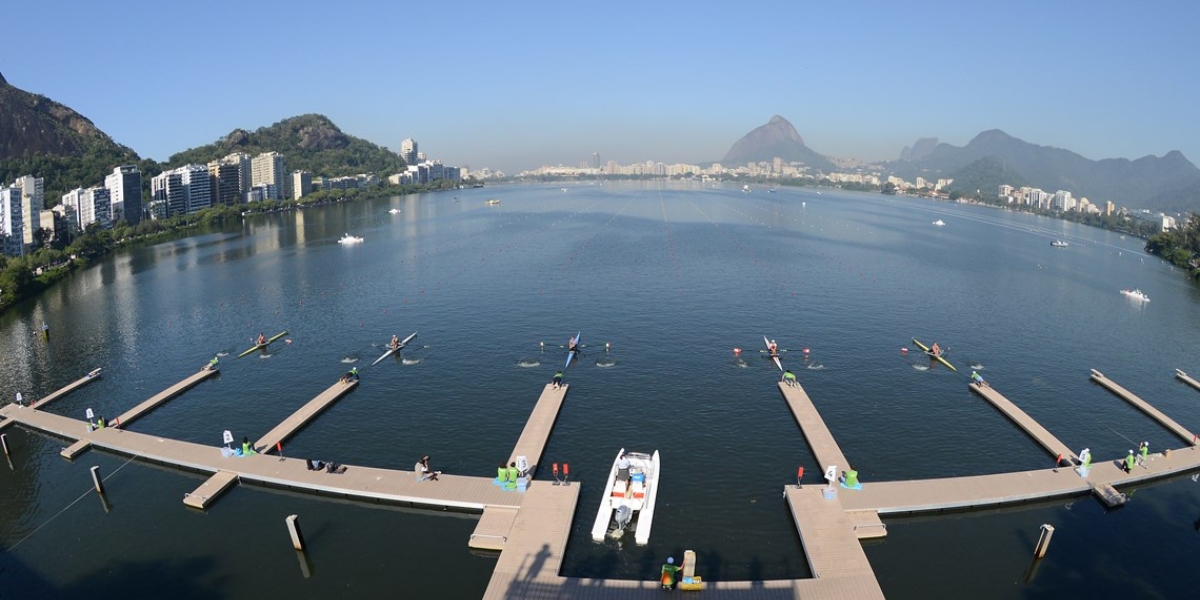
Adaptive rowing is now included in many competitive rowing events. This means regatta venues also need accessible launch systems.
Large events may require:
- Multiple launch docks
- Recovery docks
- Wide athlete staging areas
- Volunteer access routes
- Wheelchair-friendly pathways
Accessible layouts help reduce delays and improve athlete safety during busy race schedules.
Traffic Management Is Important
Regatta environments can become crowded very quickly.
Accessible dock layouts help improve:
- Athlete movement
- Boat handling
- Launch timing
- Recovery operations
- Volunteer coordination
Good planning creates a safer and more organized event environment.
ADA Guidelines and Rowing Dock Design
ADA compliance can be more challenging on the waterfront because water levels and environmental conditions constantly change.
Important ADA Design Considerations
An ADA rowing dock may include:
- Accessible gangways
- Proper ramp slopes
- Stable walking surfaces
- Wheelchair turning areas
- Transfer support systems
- Handrails
- Edge protection
However, meeting ADA guidelines alone does not always create the best rowing experience.
Accessibility and Functionality Must Work Together
Some docks technically meet ADA standards but still do not work well for rowing.
For example:
- A ramp may become too steep during low water conditions
- A transfer platform may not line up properly with rowing shells
- Dock pathways may still feel crowded during regattas
That is why rowing-specific design experience is important when planning accessible waterfront systems.
Environmental Conditions Affect Dock Performance
Every rowing venue has different environmental challenges.
Water Movement
Busy waterways and open lakes may create:
- Strong wave action
- Boat wake movement
- Wind-driven chop
Stable dock flotation becomes very important in these environments.
Seasonal Water Changes
Water depth can change throughout the year. Dock systems need to continue working safely during:
- Rainy seasons
- Drought conditions
- Tidal changes
- Reservoir fluctuations
Floating docks usually handle these changes better than fixed systems.
Climate Conditions
Different climates require different dock materials.
Cold-weather areas may need systems that handle:
- Ice
- Snow
- Freeze-thaw cycles
Warm climates may focus more on:
- UV resistance
- Surface temperature control
- Corrosion resistance
Materials Commonly Used in Accessible Rowing Docks
The materials used in an ADA rowing dock affect durability, maintenance, and long-term performance.
Aluminum Framing
Aluminum is popular because it:
- Resists rust
- Handles marine environments well
- Requires less maintenance
- Provides strong structural support
HDPE Flotation
HDPE stands for high-density polyethylene.
This material is commonly used in floating dock systems because it resists:
- Cracking
- UV damage
- Water absorption
- Corrosion
HDPE flotation systems are widely used in accessible rowing docks.
Composite Decking
Composite decking offers several advantages:
- Slip resistance
- Long lifespan
- Lower maintenance
- Comfortable walking surfaces
Unlike wood, composite materials do not splinter as they age.
Common Mistakes in ADA rowing dock Design
Some facilities run into problems because they underestimate the needs of adaptive rowing programs.
Choosing the Wrong Dock Height
Dock height affects every athlete’s transfer. Docks that sit too high can make shell entry much harder.
Not Leaving Enough Space
Adaptive rowing programs often need more maneuvering room than standard docks.
Facilities should plan for:
- Wheelchair turning areas
- Equipment storage
- Boat traffic
- Volunteer access
Ignoring Water Conditions
A dock that works well during calm summer conditions may perform poorly during storms or seasonal water changes.
Using Standard Marina Docks
Regular marina docks are not designed specifically for rowing shells or adaptive transfers.
Rowing programs usually need custom layouts designed around athlete safety and launch efficiency.
The Future of Accessible Rowing Docks
Accessible waterfront design is becoming more common across the rowing industry.
Future dock systems will likely include:
- Improved transfer platforms
- More stable flotation systems
- Lighter modular dock sections
- Better adaptive equipment support
- Expanded inclusive recreation access
More schools, municipalities, and rowing organizations are recognizing the value of accessible sports infrastructure.
Several trends are driving this growth:
- Increased adaptive sports participation
- Greater awareness of inclusive recreation
- More funding for public accessibility projects
- Growth in Paralympic rowing programs
- Expanded veterans rehabilitation programs
Facilities built today are expected to support athletes of all abilities.
How Accessible Rowing Docks Help Communities
Accessible rowing docks do more than support athletic programs. They also help create more inclusive communities.
These dock systems help:
- Veterans participate in adaptive sports
- Students join school rowing programs
- Rehabilitation centers expand therapy programs
- Seniors stay active
- Public parks improve waterfront access
Better accessibility often improves the waterfront experience for everyone using the facility.
Frequently Asked Questions About ADA Rowing Dock
What is an ADA rowing dock?
An ADA rowing dock is a dock system designed to improve accessibility for athletes with disabilities. These docks often include wheelchair-accessible ramps, transfer areas, stable flotation, and lower dock heights that help para-rowers safely enter rowing shells.
What makes accessible rowing docks different from regular docks?
Accessible rowing docks are built specifically for adaptive rowing programs. They focus on transfer safety, wheelchair access, stable surfaces, and rowing shell compatibility instead of general boating use.
Are floating docks better for adaptive rowing?
In many cases, yes. Floating docks move with changing water levels, which helps keep the dock height more consistent during transfers into rowing shells.
What materials work best for an ADA rowing dock?
Many facilities use aluminum framing, HDPE flotation systems, and composite decking because these materials resist water damage and require less maintenance.
How wide should accessible rowing docks be?
Dock width depends on program size and athlete needs. Adaptive rowing programs often need wider pathways and transfer areas to support wheelchairs and adaptive equipment.
Can older rowing docks be upgraded for accessibility?
Yes. Many facilities upgrade older docks by adding floating sections, wider gangways, transfer platforms, and accessible ramps.
Why is dock stability important for para-rowing?
Stable docks help reduce movement during transfers. This improves safety and makes it easier for athletes to enter and exit rowing shells.
Get Started With the Right ADA Rowing Dock
A well-designed ADA rowing dock can help create a safer, more inclusive rowing environment for athletes of all abilities. Modern floating dock systems improve accessibility, reduce maintenance, and support long-term rowing program growth.
Today’s accessible rowing docks are designed to handle changing water levels, adaptive athlete needs, competitive regattas, and heavy daily use while improving waterfront safety and usability.
If you are planning a new rowing facility or upgrading an older dock system, working with an experienced floating dock manufacturer can help you choose the right layout and accessibility features for your waterfront project. Contarowingct our team to learn more about modular rowing dock systems and adaptive launch solutions.

AccuDock is a global leader in the design and manufacturing of Floating Docks
CALL 954.785.7557 OR EMAIL [email protected] FOR MORE INFORMATION


