

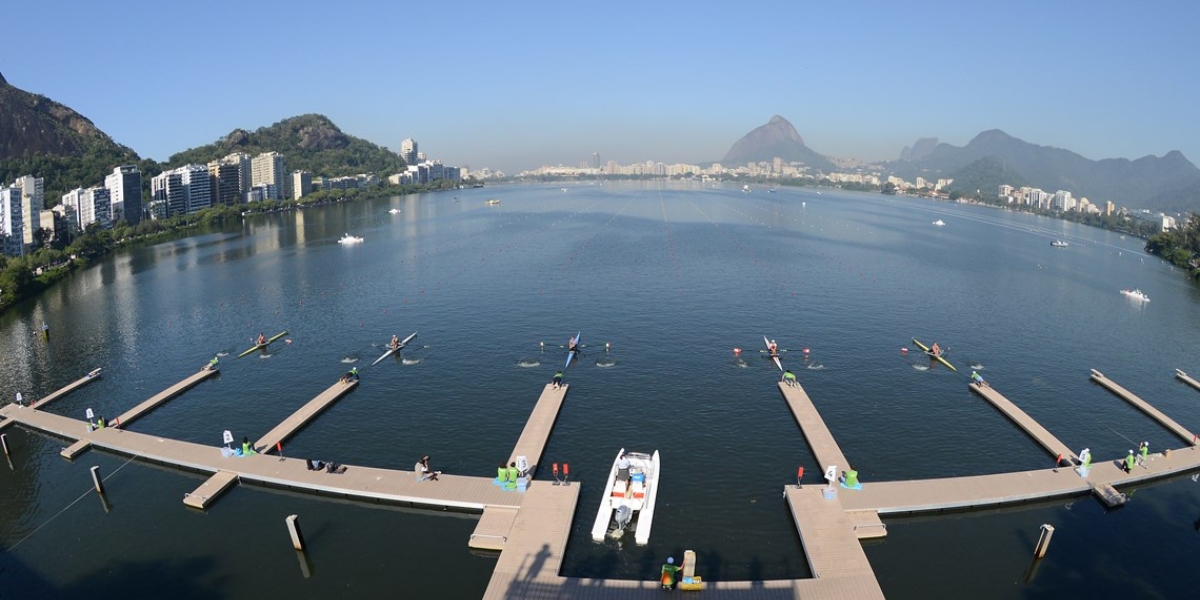
Rowing Start Docks: How Regatta Dock Systems Ensure Fair Competition
In rowing, races can be decided by just a few seconds. That’s why the starting area matters so much. A stable and properly designed rowing start dock helps crews begin races under equal conditions. It also improves safety, keeps races running on time, and helps athletes focus on performance instead of balancing their boats.
Today’s rowing facilities need dock systems that can handle changing water levels, busy race schedules, and growing programs. Modern floating docks are built to meet those demands. They provide steady access for rowers, coaches, volunteers, and race officials during practices and competitions.
A quality rowing dock does much more than create a place to launch boats. It supports fair lane alignment, safer boat entry, and smoother regatta operations. For schools, rowing clubs, municipalities, and race organizers, choosing the right dock system can improve the experience for everyone involved.
This guide explains how rowing start docks work, why they matter in competitive rowing, and what features organizations should look for when planning a regatta facility.
Why the Start Is Important in Rowing
The start of a rowing race is one of the most important moments in the entire competition. In many races, crews are separated by only a few seconds at the finish line. A strong, clean start can help a team build momentum early, while a poor start can force rowers to work harder to catch up for the rest of the race.
That’s why a reliable rowing start dock is such an important part of any rowing facility or regatta course. The dock system helps create equal starting conditions for every crew while improving safety, organization, and overall race flow.
Before the race begins, rowers must balance their boats, line up evenly in their lane, listen to officials, and prepare for the starting signal. Even small problems at the dock can affect concentration and performance.
A properly designed rowing start dock helps by providing:
- Equal lane alignment
- Stable boat holding areas
- Safer entry points for athletes
- Better access for volunteers and officials
- More organized race operations
Without a dependable dock system, race starts can become uneven, delayed, or unsafe.
Why Equal Starting Conditions Matter
Fair competition is one of the main goals of every rowing event. Every crew should begin the race from the same position under the same conditions.
A rowing start dock helps create equal lane alignment, so each shell starts evenly across the course. This is especially important during competitive regattas where races can be decided by inches.
If docks are uneven or unstable, some crews may struggle more than others to hold their position before the start. Small differences in launch conditions can affect timing, rhythm, and confidence during the first strokes of the race.
Equal starting conditions help:
- Reduce disputes between teams
- Improve race accuracy
- Support fair competition
- Create a more professional event environment
For race officials, stable dock systems also make it easier to organize boats quickly and keep races running on schedule.
Why Stability Is So Important in Rowing
Rowing shells are designed for speed and efficiency, not stability. Most racing shells are long, narrow, and lightweight. Some boats stretch more than 60 feet long while remaining only a few feet wide.
Because of this design, even small movements in the dock can affect balance.
An unstable dock may cause:
- Athletes to lose balance
- Delays at the starting line
- Damage to rowing shells
- Unsafe boarding conditions
- Increased stress for rowers
This becomes even more important during windy conditions or busy regattas with heavy dock traffic.
Modern floating dock systems are built to reduce unnecessary movement. Many use advanced flotation systems and secure anchoring methods to create a more stable platform for athletes.
When rowers feel steady before the race begins, they can focus more on timing, technique, and communication with their crew.
How a Rowing Start Dock Helps Athletes Enter Boats Safely
Getting into a rowing shell requires balance and coordination. Rowers often place one foot in the shell while keeping the other foot on the dock. If the dock shifts suddenly, the boat can tip or drift away.
A stable rowing start dock helps create safer entry conditions by:
- Reducing dock movement
- Sitting lower to the water
- Providing slip-resistant surfaces
- Giving athletes enough space to move safely
Dock height also matters. Docks that sit too high above the water can make shell entry difficult, especially for younger athletes or adaptive rowing participants.
Many modern rowing docks use low freeboard designs, meaning the dock surface sits closer to the waterline. This helps create smoother transitions into the shell.
Why Organized Race Operations Depend on the Dock System
Large regattas can involve hundreds of athletes, coaches, officials, and volunteers throughout the day. Without an organized dock layout, the starting area can quickly become crowded and confusing.
A well-planned rowing start dock helps improve traffic flow and race management.
Features that support organized regatta operations include:
- Wide walkways
- Separate launch areas
- Designated holding zones
- Space for officials and volunteers
- Clear athlete movement paths
Efficient dock layouts help crews move in and out of the water faster, which helps events stay on schedule.
When races run behind schedule, it can create problems for athletes, spectators, transportation, and event staffing. Reliable dock systems help reduce those delays.
Why Floating Dock Systems Are Common in Rowing
Many rowing venues now use floating dock systems instead of fixed docks because water levels can change throughout the year.
Rainfall, tides, and seasonal changes may affect the shoreline and launch area. Floating docks rise and fall with the water, helping maintain consistent shell access in different conditions.
This creates:
- More predictable launch heights
- Easier athlete access
- Better safety during changing conditions
- Improved dock usability throughout the season
Floating systems are especially helpful for facilities that host regattas in different weather conditions.
Common Problems Caused by Poor Dock Design
Not every dock is built for rowing. Recreational docks may work for fishing boats or pontoons, but they often lack the features needed for racing shells.
Poor dock design can lead to:
- Uneven starting positions
- Crowded launch areas
- Unsafe footing
- Excessive dock rocking
- Damage to rowing equipment
- Delayed race starts
Older dock systems may also develop maintenance issues over time, including corrosion, loose decking, or unstable flotation.
Many rowing clubs upgrade their docks because modern systems provide better stability, lower maintenance needs, and more flexibility for growing programs.
Why Start Docks Matter for Beginner and Youth Rowers
The starting area can feel stressful for beginner athletes. Young rowers often need extra support while balancing their shells and preparing for races.
A stable rowing start dock helps beginners feel more confident by creating:
- Safer entry points
- Better balance during launch
- More organized race preparation
- Reduced fear of tipping
This support can improve the overall experience for athletes who are still learning the sport.
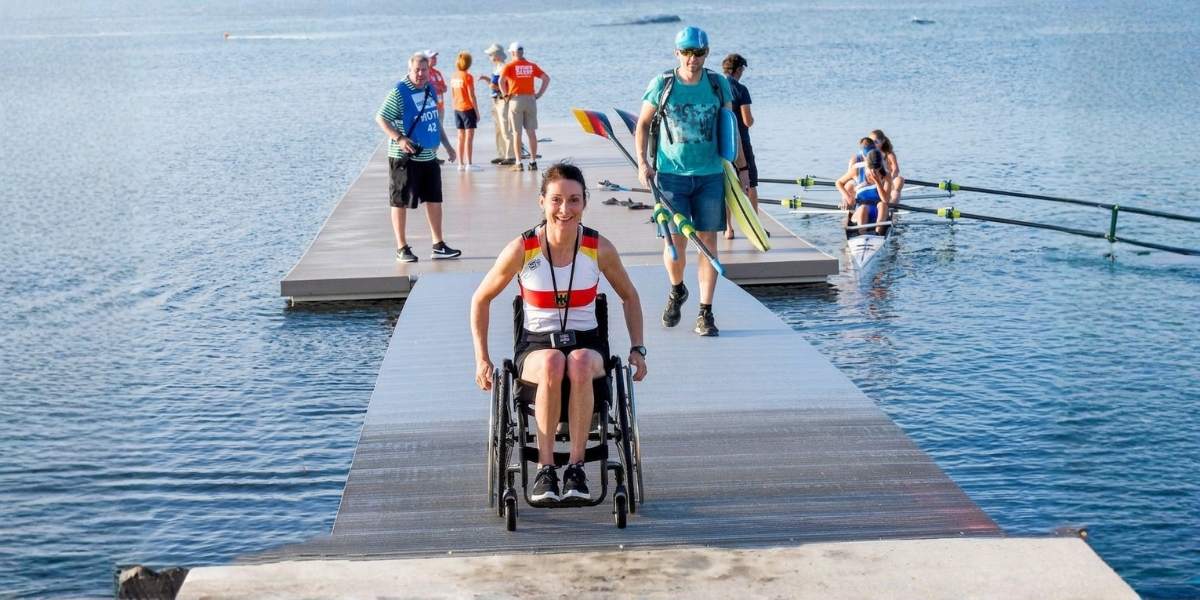
How Rowing Start Docks Support Adaptive Rowing
Adaptive rowing programs also depend on stable dock access.
Many modern rowing dock systems include accessibility features such as:
- ADA compliant gangways
- Wider dock sections
- Stable transfer platforms
- Gentle walkway slopes
These features help athletes with mobility challenges safely access the water and participate in rowing programs.
What Should Buyers Look for in a Rowing Start Dock?
Organizations planning a rowing facility should evaluate several key features before choosing a dock system.
Important considerations include:
- Dock stability
- Low freeboard height
- Durable materials
- Slip-resistant surfaces
- Modular expansion options
- Reliable anchoring systems
- Accessibility features
The right dock system depends on factors like water conditions, event size, athlete volume, and long-term facility goals.
What Is a Rowing Start Dock?
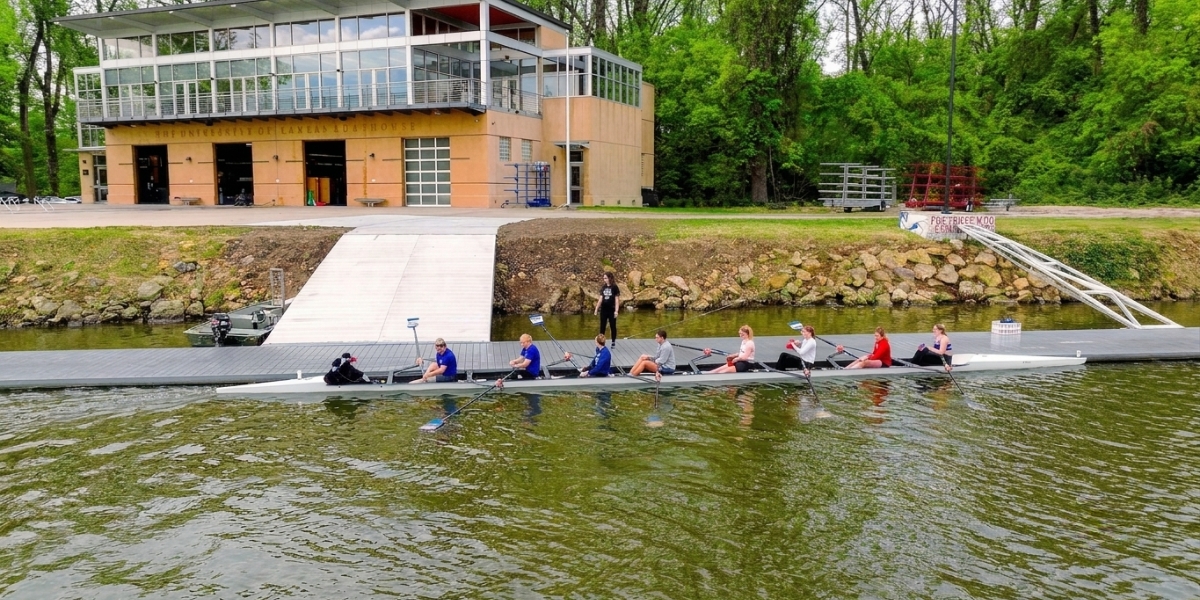
A rowing start dock is a floating or fixed dock system placed at the starting area of a rowing course. Its purpose is to help rowers safely enter their boats, stay balanced on the water, and line up evenly before a race begins. These docks are commonly used at regattas, rowing clubs, schools, universities, and training facilities.
Unlike standard recreational docks, rowing docks are built specifically for racing shells. Rowing shells are long, narrow, and lightweight boats that react quickly to movement in the water. Because of this, even small shifts in dock stability can affect athletes as they prepare to race.
A rowing start dock creates a stable platform where rowers, coaches, and race officials can work safely and efficiently. It also helps race organizers create fair starting conditions by keeping boats aligned evenly across all lanes.
Why Are Rowing Start Docks Different From Regular Docks?
Many people assume any dock can work for rowing, but rowing facilities have very different needs than marinas or residential waterfronts.
Traditional recreational docks are often designed for:
- Fishing boats
- Pontoon boats
- Personal watercraft
- Swimming access
A rowing start dock must support a completely different type of activity. Racing shells sit low in the water and can tip easily during entry or launch. Athletes often enter boats while balancing with one foot on the dock and one foot inside the shell. If the dock rocks too much or sits too high above the water, the risk of tipping increases.
That’s why rowing docks are usually designed with:
- Low freeboard height, meaning the dock sits closer to the water
- Stable flotation systems that reduce movement
- Slip-resistant surfaces for wet conditions
- Wide walkways for athletes and volunteers
- Modular layouts that can match racecourse needs
These features help rowers launch safely while protecting expensive racing equipment.
What Does a Rowing Start Dock Do During a Regatta?
A rowing start dock does much more than provide a place to stand before a race. It plays an important role in race organization, athlete safety, and fair competition.
During a regatta, the dock helps crews:
- Enter and exit shells safely
- Hold boats steady before the start
- Line up evenly across race lanes
- Stay organized between races
- Reduce delays during busy race schedules
Race officials and volunteers also rely on the dock system to communicate with athletes, align boats, and manage race flow.
Without a properly designed dock system, regattas can experience:
- Uneven starts
- Delayed races
- Boat collisions
- Congested launch areas
- Increased safety risks
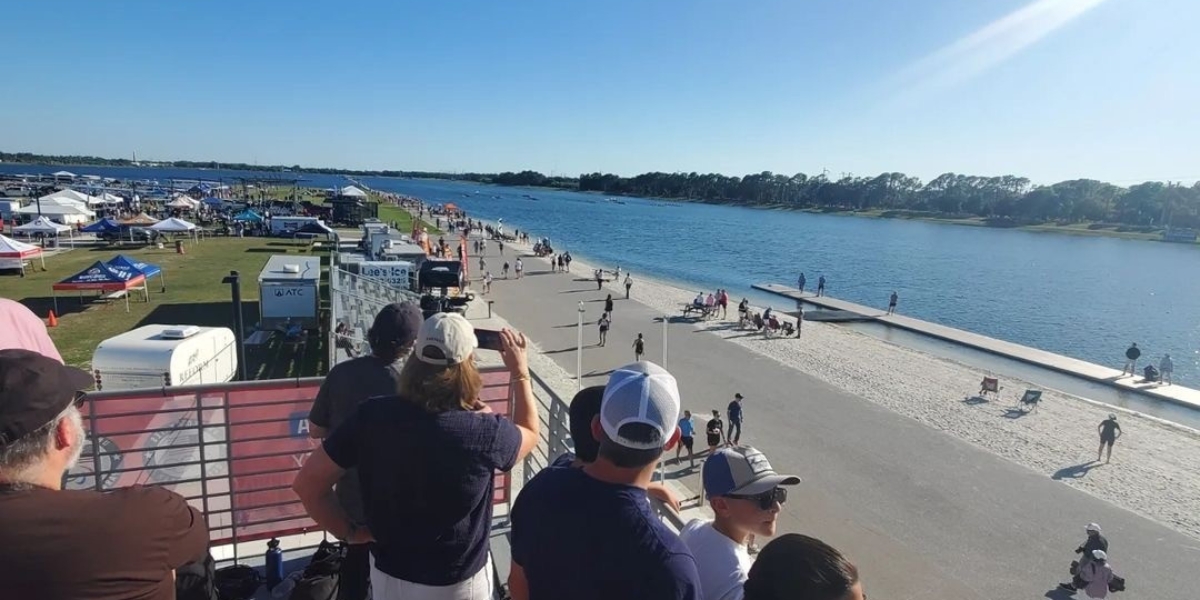
For large events with hundreds of athletes, a stable rowing start dock helps keep the entire day running more smoothly.
Why Is Stability So Important?
Stability is one of the most important parts of any rowing dock system.
Rowing shells are built for speed, not balance. Some racing shells are less than two feet wide and more than 60 feet long. Because the boats are so narrow, rowers depend heavily on stable dock conditions while getting in and out of the shell.
An unstable dock can cause:
- Athletes to lose balance
- Damage to rowing shells
- Unsafe launching conditions
- Uneven race preparation
Modern floating dock systems are designed to reduce rocking and movement, even during busy regattas. Many use advanced flotation systems and secure anchoring to create a more stable platform.
This matters even more for younger athletes, adaptive rowing programs, and beginner crews who may need additional support during launch.
Floating vs. Fixed Rowing Start Docks
Rowing facilities typically choose between floating docks and fixed docks.
Most modern rowing venues prefer floating docks because water conditions change throughout the year. Floating docks rise and fall with the water, which helps maintain a consistent launch height.
This creates easier and safer access for athletes during races and practices.
What Materials Are Used in a Rowing Start Dock?
Most rowing docks are built using materials that can handle constant exposure to water and weather.
Common materials include:
- Aluminum framing
- Composite decking
- Concrete flotation systems
- Polyethylene floats
Aluminum is popular because it is lightweight, corrosion resistant, and strong. Composite decking is often used because it requires less maintenance than wood and provides better traction in wet conditions.
The right material depends on factors like:
- Climate
- Water conditions
- Event size
- Maintenance goals
- Budget
Facilities in saltwater environments often need stronger corrosion resistance than inland rowing venues.
How Big Is a Rowing Start Dock?
The size of a rowing start dock depends on the facility and the type of events being hosted.
Smaller rowing clubs may only need a few dock sections for practice launches. Larger regatta venues often require long modular systems that support multiple race lanes at once.
Dock layouts may include:
- Launch docks
- Holding docks
- Coach access walkways
- Official platforms
- ADA accessible transfer areas
Modular dock systems allow organizations to expand over time as rowing programs grow.
What Questions Should Buyers Ask Before Installing a Rowing Start Dock?
Choosing the right rowing dock system requires careful planning. Buyers should evaluate both current and future needs before making a decision.
Important questions include:
- Will water levels change throughout the year?
- How many athletes will use the dock daily?
- Will the facility host regattas?
- Is ADA accessibility required?
- How stable is the dock during heavy use?
- Can the dock system expand later?
- What type of maintenance is needed?
These questions help organizations choose a system that fits both their budget and long-term goals.
Why Modern Rowing Facilities Choose Modular Floating Docks
Many rowing clubs, schools, and municipalities now choose modular floating docks because they provide flexibility and long-term value.
Modular systems allow facilities to:
- Expand over time
- Reconfigure layouts
- Replace sections individually
- Adapt to changing race formats
This flexibility is especially helpful for growing rowing programs and multi-use waterfront facilities.
As rowing participation continues to grow, many organizations are investing in dock systems that support both current operations and future expansion.
How a Regatta Start Dock Supports Fair Racing
Equal Starting Conditions
One of the biggest benefits of a regatta start dock is equal lane positioning. Every crew should begin the race from the same starting point.
Floating dock systems help organizers create straight and evenly spaced race lanes. This reduces disputes and gives every team a fair start.
Better Stability for Crews
Rowers need steady conditions before the race begins. A dock that moves too much can make it difficult for athletes to balance their boats.
Stable dock systems help:
- Reduce unwanted movement
- Improve athlete confidence
- Prevent shell collisions
- Speed up race starts
During large regattas, hundreds of athletes may use the docks throughout the day. Strong dock systems help maintain consistent performance during heavy use.
Improved Safety
Safety is important at every rowing event. Wet surfaces, crowded launch areas, and changing weather conditions can all increase risks.
A quality regatta dock system often includes:
- Slip-resistant surfaces
- Stable walkways
- Secure anchoring
- Wide dock sections for volunteers and officials
These features help reduce falls and improve overall event organization.
Floating vs. Fixed Rowing Dock Systems
Many rowing venues now choose floating docks instead of fixed docks because floating systems adapt better to changing water conditions.
| Dock Type | Benefits | Challenges |
| Floating Dock | Adjusts with water levels, flexible layout | Needs proper anchoring |
| Fixed Dock | Permanent structure | Less adaptable during water changes |
Why Floating Docks Are Popular
Water levels can rise and fall throughout the year because of rain, tides, or seasonal changes. Floating docks move with the water, helping maintain consistent access for athletes.
This makes shell entry easier and safer for rowers of all skill levels.
Many clubs also prefer modular floating systems because they can expand their facilities later without rebuilding the entire dock.
Important Features in a Rowing Start Dock
Not every dock system is built for rowing. Competitive rowing requires specific features that support safety and performance.
Low Freeboard Height
Freeboard is the distance between the dock surface and the water. Lower dock heights make it easier for athletes to enter rowing shells safely.
High docks can create awkward entry angles and increase the chance of tipping.
Modular Design
Modular dock systems are made from sections that connect together. This allows organizations to customize layouts based on their needs.
Benefits include:
- Easier expansion
- Flexible configurations
- Simpler repairs
- Better long-term value
Durable Materials
Many rowing docks use aluminum frames and composite decking because they last a long time and require less maintenance.
These materials help resist:
- Corrosion
- Water damage
- UV exposure
- Wear from heavy use
Why Water Conditions Matter
Water movement can affect both fairness and safety during rowing events.
Wind, boat wakes, and current changes may cause unstable conditions near the starting area. A well-designed rowing start dock helps reduce movement and maintain steady access.
Seasonal Water Changes
Many rowing venues experience changing water levels throughout the year. Floating docks help keep launch heights consistent during these changes.
Fixed docks may become difficult to use when water levels rise or fall too much.
How Dock Design Improves Regatta Operations
Large rowing events involve athletes, coaches, volunteers, officials, and spectators. Poor dock layouts can slow down races and create confusion.
A well-planned dock system helps improve traffic flow and keeps events running smoothly.
Better Athlete Movement
Organized layouts help rowers move safely between staging areas and launch points.
Helpful features include:
- Wide walkways
- Separate access areas
- Clear traffic flow
- Dedicated launch zones
Faster Race Schedules
Efficient dock systems help regattas stay on schedule. Delays caused by unstable docks or crowded launch areas can affect the entire day’s race lineup.
ADA Accessibility for Rowing Facilities
Adaptive rowing programs continue to grow across the country. Many organizations now look for dock systems that support athletes with different mobility needs.
An accessible rowing dock may include:
- ADA compliant gangways
- Wider platforms
- Stable transfer areas
- Gentle walkway slopes
These features help create a more welcoming environment for athletes, coaches, and visitors.
Common Problems With Older Dock Systems
Older rowing docks may not meet the needs of modern regattas.
Common issues include:
- Uneven surfaces
- Excessive dock movement
- Corrosion damage
- Unsafe access points
- Poor anchoring systems
Over time, maintenance costs can increase while performance decreases. Many rowing clubs replace older systems to improve safety and reliability.
How Modular Dock Systems Support Growing Programs
Many rowing programs continue to expand each year. Schools and clubs often need facilities that can grow with them.
Modular floating dock systems allow organizations to:
- Add more dock sections later
- Change layouts over time
- Move dock sections if needed
- Spread out project costs
This flexibility makes modular systems a smart option for long-term planning.
Materials Used in Modern Rowing Docks
Different materials offer different advantages depending on the location and level of use.
| Material | Benefits | Considerations |
| Aluminum | Lightweight and corrosion resistant | Higher upfront cost |
| Composite Decking | Low maintenance and slip resistant | Premium material |
| Concrete Float Systems | Very stable | Heavier installation |
| Polyethylene Floats | Durable flotation support | Must be properly engineered |
Many modern rowing facilities use aluminum framing with composite decking because it offers durability and lower maintenance over time.
Weather and Climate Considerations
Climate affects how dock systems perform.
Cold Weather Areas
Facilities in colder climates may need docks that can handle:
- Ice exposure
- Freeze-thaw cycles
- Seasonal removal
Coastal Areas
Saltwater environments require corrosion-resistant materials and stronger anchoring systems because of tides and storms.
Windy Locations
High-wind areas may require extra stabilization features to reduce dock movement during races.
Technology at Modern Regattas
Many regattas now use technology to help manage races and improve event coverage.
Some dock systems can support:
- Timing equipment
- Cameras
- Communication systems
- Power connections
These additions help officials manage races more efficiently.
Planning a Rowing Start Dock Installation
Every rowing venue has different conditions. Careful planning helps organizations choose the right dock system for their site.
Important factors include:
- Water depth
- Shoreline conditions
- Wind exposure
- Event size
- Seasonal water changes
Professional site evaluations help determine the best layout and anchoring system.
Cost Factors for Rowing Dock Systems
The price of a rowing dock depends on several factors, including:
- Dock size
- Material choices
- Site conditions
- Anchoring systems
- Custom features
While lower-cost systems may seem appealing at first, long-term durability often matters more. A higher-quality dock may require fewer repairs and provide better performance over time.
Questions to Ask Before Buying a Rowing Dock
Before investing in a rowing start dock, organizations should ask several important questions.
Helpful Questions Include
- Can the dock expand in the future?
- How stable is the system during heavy use?
- What maintenance is required?
- Is the dock suitable for local water conditions?
- Does the system support accessibility needs?
Answering these questions early can help organizations make smarter long-term decisions.
Frequently Asked Questions About Rowing Start Dock
What is a rowing start dock?
A rowing start dock is a dock system used at the starting area of a rowing course. It helps athletes safely enter shells and line up evenly before races.
Why is a regatta start dock important?
A regatta start dock helps create fair starting conditions by providing equal lane positioning and stable boat access for all crews.
Are floating rowing docks better than fixed docks?
Floating docks are often preferred because they move with changing water levels and provide more consistent access throughout the year.
What materials are best for rowing docks?
Many rowing facilities use aluminum frames and composite decking because they resist corrosion and require less maintenance.
How long do rowing docks last?
A well-built rowing dock can last for many years when properly maintained. Lifespan depends on materials, climate, and usage levels.
Can rowing docks support adaptive rowing?
Yes. Many modern dock systems include ADA accessible features that support adaptive rowing programs and athletes with mobility challenges.
Learn More About Rowing Start Dock Systems
A high-quality rowing start dock can improve safety, fairness, and event organization for rowing facilities of all sizes. Modern floating dock systems help athletes launch more comfortably, support smoother regatta operations, and adapt to changing water conditions throughout the year.
Whether you’re planning a new rowing venue or upgrading an older facility, the right dock system can make a major difference in long-term performance and reliability. Contact AccuDock to learn more about floating dock systems designed for rowing clubs, schools, municipalities, and competitive regatta facilities.

AccuDock is a global leader in the design and manufacturing of Floating Docks
CALL 954.785.7557 OR EMAIL [email protected] FOR MORE INFORMATION


