

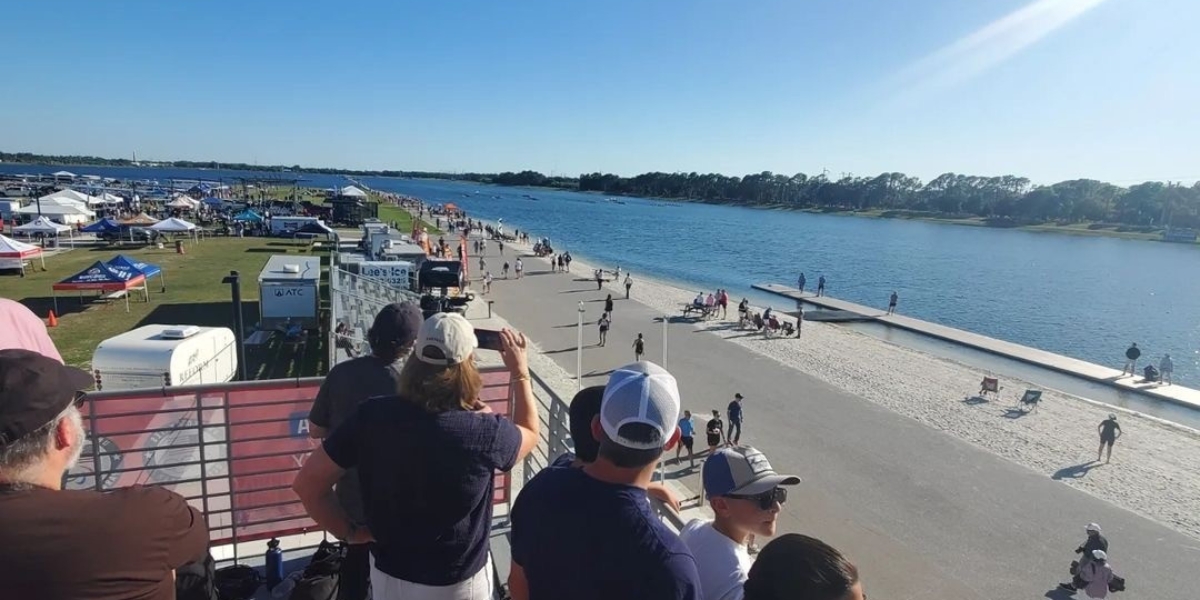
Portable Rowing Docks: Why Modular Systems Are Ideal for Regatta Venues
Rowing regattas require careful planning, safe waterfront access, and organized launch areas. Every part of the venue affects how smoothly an event runs, especially the docks. That is one reason why portable rowing docks have become a popular choice for rowing clubs, colleges, race organizers, and public waterfronts.
Unlike permanent docks, portable systems can be moved, expanded, and adjusted based on the needs of the event. They help athletes enter boats more safely, improve traffic flow near the water, and make it easier to set up temporary race venues. Many rowing programs also use modular floating docks because they can handle changing water levels and seasonal use better than fixed structures.
As rowing programs continue to grow across the United States, many facilities need dock systems that are flexible, durable, and easy to maintain. This guide explains why portable rowing docks work so well for regatta venues, what features matter most, and how temporary rowing docks help support both short-term events and long-term rowing programs.
What Are Portable Rowing Docks?
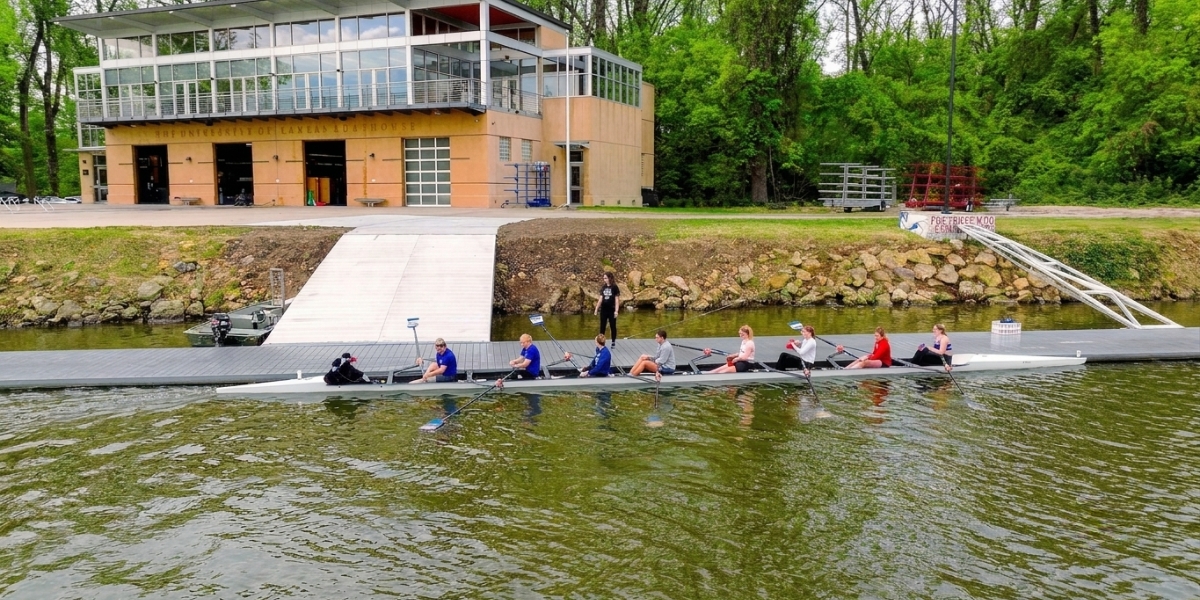
Portable rowing docks are floating dock systems built specifically for rowing programs, regattas, and waterfront training facilities. Unlike traditional fixed docks, these systems are designed to sit low to the water and provide stable access for rowing shells, coaching launches, and support boats.
Most portable rowing docks use modular sections that connect together to create customized layouts. This modular design allows rowing clubs and event organizers to build a dock system that fits their shoreline, water conditions, and athlete traffic needs. Sections can be added, removed, expanded, or rearranged depending on the size of the program or event.
Because rowing shells are long, narrow, and lightweight, rowers need docks that make entering and exiting the boat easier and safer. Standard recreational docks often sit too high above the water, which can make launching difficult and increase the chance of tipping the shell. Portable rowing docks solve this problem by staying closer to the water surface and moving with changing water levels.
Unlike permanent docks that stay in one location year-round, portable systems offer much more flexibility. Many rowing facilities choose modular floating docks because they can be:
- Installed seasonally during rowing months
- Expanded as programs grow
- Moved to different locations
- Reconfigured for different race layouts
- Removed before severe storms or winter weather
- Transported for temporary regatta venues
This flexibility makes portable systems popular with schools, universities, municipalities, rowing clubs, and race organizers.
Why Portable Rowing Docks Are Different From Standard Floating Docks
Not every floating dock is designed for rowing. Rowing docks are built with features that support the specific needs of athletes and racing shells.
One of the biggest differences is freeboard height. Freeboard refers to the distance between the dock surface and the water. Rowing docks typically have a much lower profile than recreational docks. This allows athletes to step into their shells more easily without making large movements that could upset the balance of the boat.
Portable rowing docks are also designed with stability in mind. During a regatta, multiple athletes may stand on the dock at the same time while carrying equipment and entering boats. Excessive dock movement can create safety concerns and slow down race operations. Many modern systems use wide flotation chambers and rigid aluminum framing to reduce rocking and movement.
Another important feature is modularity. Regatta venues often change layouts depending on the event size, shoreline shape, or number of race lanes. A modular system allows organizers to adjust the dock configuration without rebuilding the entire structure.
What Materials Are Used in Portable Rowing Docks?
Most high-quality portable rowing docks use marine-grade materials designed to handle long-term waterfront exposure.
Common materials include:
- Aluminum frames for lightweight strength and corrosion resistance
- Composite decking that resists rot, splintering, and moisture damage
- Encapsulated flotation systems for stability and buoyancy
- Non-slip walking surfaces for athlete safety
- Heavy-duty connectors that keep dock sections secure
Aluminum is especially common because it provides strong structural support while remaining easier to transport than steel. Composite decking has also become more popular because it requires less maintenance than traditional wood docks.
How Portable Rowing Docks Improve Safety
Safety is one of the biggest reasons rowing organizations invest in portable dock systems.
Launching and recovering rowing shells requires balance, coordination, and clear traffic flow near the water. A dock that moves too much or sits too high above the water can increase the risk of falls, damaged equipment, or delayed races.
Portable rowing docks improve safety by:
- Keeping the dock surface closer to the water
- Reducing dock movement during launches
- Creating organized launch and recovery areas
- Providing better footing with slip-resistant decking
- Allowing smoother athlete traffic flow during events
Some systems also include ADA accessible features that support adaptive rowing programs and athletes with mobility limitations.
Where Portable Rowing Docks Are Commonly Used
Portable rowing docks are used in a wide range of rowing environments, including:
- Collegiate rowing programs
- High school rowing teams
- Public rowing centers
- National championship regattas
- Learn-to-row programs
- Adaptive rowing facilities
- Temporary waterfront race venues
- Multi-use parks and recreation areas
Many communities choose portable systems because they allow the waterfront to serve multiple purposes throughout the year. Docks can be adjusted or removed depending on seasonal activities and water conditions.
Why Temporary Regatta Venues Use Portable Systems
Many rowing competitions take place at temporary venues that do not have permanent rowing infrastructure. In these situations, portable systems provide a practical solution for creating professional launch areas quickly.
Temporary regatta venues often use portable rowing docks because they:
- Install faster than permanent structures
- Require less shoreline construction
- Adapt to changing water levels
- Support large athlete volumes
- Can be removed after the event ends
This flexibility is especially important for national competitions and traveling regattas that use different locations each year.
Why Regatta Venues Need Flexible Dock Systems
Regatta venues operate very differently from standard marinas or recreational waterfronts. During a rowing event, the dock area becomes one of the busiest parts of the entire venue. Athletes, coaches, volunteers, race officials, and support crews all move through the waterfront at the same time, often under strict race schedules.
Because rowing races happen quickly and continuously throughout the day, the dock system plays a major role in keeping the event safe, organized, and on schedule. That is why many rowing facilities now rely on portable rowing docks and modular floating systems instead of permanent fixed docks.
A regatta may involve hundreds of athletes launching and recovering boats within just a few hours. Without enough dock space or proper traffic flow, even small delays can create major scheduling problems for the entire event.
The Unique Challenges Regatta Venues Face
Unlike recreational boating facilities, regatta venues must handle large numbers of rowing shells moving in and out of the water in a very organized way.
Several common challenges affect rowing events:
- Crowded launch areas
- Delays between races
- Safety concerns near the shoreline
- Difficult athlete traffic flow
- Limited dock access
- Changing water conditions
- Equipment congestion
- Uneven loading areas
These problems become even more noticeable during large collegiate or championship regattas where multiple races may happen back-to-back throughout the day.
For race organizers, dock efficiency directly affects how smoothly the event operates.
Crowded Launch Areas Create Delays
One of the biggest challenges during regattas is congestion near the water. Rowing shells are long, lightweight, and difficult to maneuver on land. Athletes often carry boats overhead while moving through crowded launch zones.
If the dock area is too small or poorly designed, several problems can happen:
- Crews may struggle to reach the water on time
- Athletes may block each other while launching
- Boat damage becomes more likely
- Volunteers and officials may have difficulty managing traffic
Modular dock systems help reduce congestion by creating wider staging and launch areas. Portable layouts can also include separate lanes for launching and recovery so crews entering the water do not interfere with crews returning from races.
Race Schedules Depend on Efficient Dock Access
Regattas often run on strict timelines. Some events schedule races only minutes apart, especially during large competitions.
When docks become crowded or difficult to navigate, delays quickly spread across the entire race schedule.
Portable rowing docks help improve efficiency because they can be arranged to support:
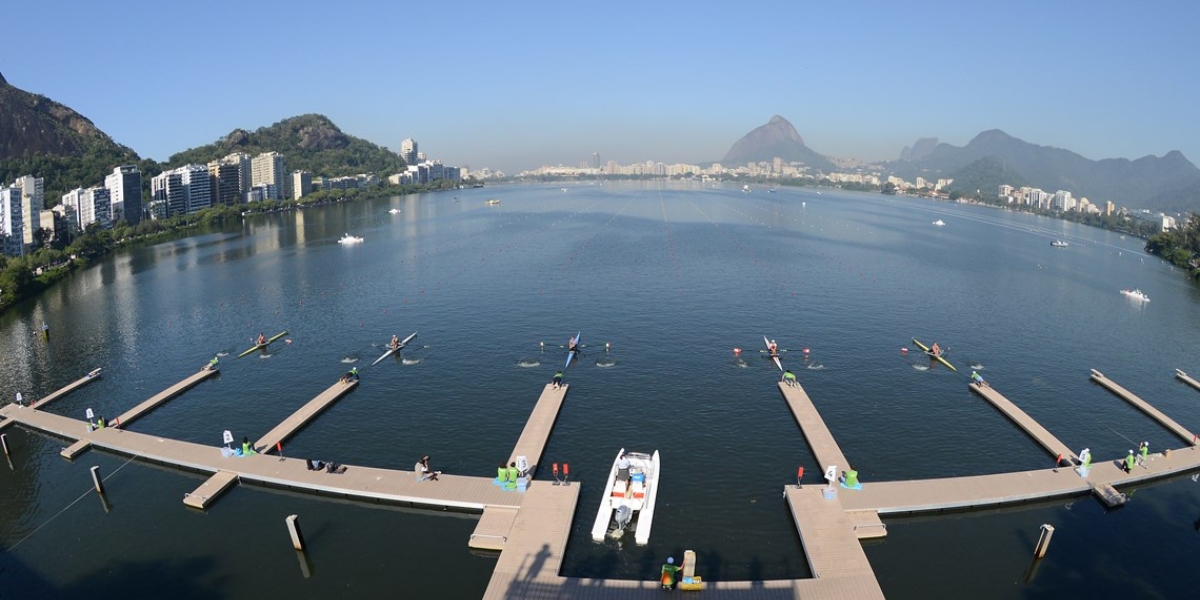
- Multiple launching lanes
- Faster boat recovery
- Separate waiting areas
- Better athlete movement
- Organized crew staging
This allows race officials to keep events running more smoothly throughout the day.
Why Modular Dock Systems Work Better for Regattas
Traditional fixed docks are built for permanent placement and may not provide the flexibility rowing venues need. Water levels, athlete traffic, and event layouts can change from season to season or even from one race to the next.
Modular floating dock systems are designed to adapt to those changing conditions.
Flexible Layout Options
One major advantage of portable rowing docks is the ability to customize the layout.
For example, a regatta venue may use:
- Separate launch and recovery docks
- Wide floating walkways
- Temporary extensions for large events
- Floating staging platforms
- Coach access areas
- ADA accessible transfer sections
This flexibility allows venues to create layouts that match the specific needs of each event.
A smaller local regatta may only need a simple launch dock, while a national championship event may require multiple launch lanes, staging platforms, and expanded recovery areas.
Easier Expansion as Programs Grow
Many rowing clubs and race venues expand over time. More athletes, more teams, and larger regattas often require additional dock space.
With modular systems, organizers can add sections instead of replacing the entire dock structure.
This helps facilities:
- Control long-term costs
- Expand gradually
- Adjust to growing participation
- Improve waterfront efficiency over time
For schools and municipalities, this flexibility can make long-term planning much easier.
Portable Rowing Docks Improve Athlete Safety
Safety is one of the most important reasons regatta venues choose modular floating systems.
Rowing shells are narrow and unstable compared to many other boats. Athletes must carefully enter and exit the shell while balancing near the edge of the dock.
If the dock sits too high above the water or moves excessively, launching becomes more difficult and dangerous.
Stable Access Matters
Modern portable rowing docks are designed to reduce movement and improve balance during launching.
Many systems include:
- Low freeboard height for easier entry
- Stable flotation systems
- Non-slip decking surfaces
- Wider walking areas
- Secure connection hardware
These features help reduce the chance of slips, falls, and boat damage during busy race conditions.
Better Traffic Flow Reduces Risk
Organized traffic patterns improve safety around the waterfront.
For example, separate launch and recovery areas help reduce:
- Athlete congestion
- Equipment collisions
- Confusion near the water
- Delays during race transitions
This becomes especially important during youth regattas or high-volume collegiate events.
Why Floating Docks Handle Water Conditions Better
Water conditions at rowing venues can change throughout the year. Rainfall, tides, currents, and seasonal water levels may all affect dock performance.
Fixed docks often become less practical when water levels rise or fall significantly.
Floating systems solve this problem because they move with the water level.
Benefits of Floating Dock Systems
Portable floating docks help maintain consistent access by:
- Staying level with rowing shells
- Adjusting to seasonal water changes
- Improving launch consistency
- Reducing steep dock angles
This creates a more predictable launching experience for athletes and coaches.
Temporary Regatta Venues Need Portable Dock Systems
Not every rowing event takes place at a permanent rowing facility. Some regattas use temporary race venues at lakes, parks, or public waterfronts.
In these situations, temporary rowing docks provide a practical solution because they can be transported, assembled, and removed much faster than permanent infrastructure.
Temporary setups are commonly used for:
- Championship regattas
- Traveling rowing events
- Seasonal rowing programs
- Waterfront festivals
- Community rowing demonstrations
Portable systems allow organizers to create professional launch areas without major shoreline construction.
Why Floating Docks Work Better for Rowing
Rowing requires docks that stay stable and close to the water surface. Traditional fixed docks may sit too high above the water, especially when water levels change.
Floating rowing docks move with the water level, which helps create consistent access for athletes.
Easier Boat Entry
Low-profile floating docks make it easier for rowers to step into racing shells without losing balance.
Better Stability
Modern dock systems are built to reduce rocking and movement. This helps athletes launch more safely during practices and races.
More Consistent Performance
Because floating docks rise and fall with the water, they continue working well even during seasonal water level changes.
The Benefits of Portable Rowing Docks for Regattas
Many race organizers choose modular floating systems because they solve several event challenges at once.
Faster Setup for Events
Portable systems can often be assembled much faster than permanent docks. This is especially helpful for temporary race venues.
Easy Expansion
If a regatta grows over time, additional dock sections can usually be added without rebuilding the entire system.
Better Traffic Flow
Large regattas need organized launch areas. Modular docks can be arranged to create separate entry and exit lanes.
Lower Long-Term Costs
In many cases, portable systems cost less upfront than building permanent waterfront infrastructure.
Seasonal Flexibility
Many rowing programs remove docks during the winter to protect them from ice damage and severe weather.
Why Temporary Rowing Docks Are Important for Seasonal Venues
Not every rowing facility operates year-round. In colder climates, many clubs and schools only use their waterfronts during part of the year.
That is where temporary rowing docks become useful.
Temporary systems allow organizations to:
- Install docks during racing season
- Remove docks before winter
- Store sections indoors
- Adjust layouts each year
- Reduce long-term weather exposure
This approach can help extend the life of the dock system while giving organizations more flexibility.
Temporary setups also work well for new rowing programs that are still growing and may not be ready to invest in permanent infrastructure.
Common Features Found in Portable Rowing Docks
Not all floating docks are designed for rowing. Some standard recreational docks may not provide the stability or low height needed for rowing shells.
Here are some important features to look for.
Low Freeboard Height
Freeboard is the distance between the dock surface and the water. Rowing docks usually sit lower to the water to help athletes enter boats safely.
Aluminum Frames
Many rowing docks use marine-grade aluminum because it is:
- Lightweight
- Strong
- Resistant to corrosion
- Easier to transport
Composite Decking
Composite materials are common because they resist:
- Rot
- Splinters
- Moisture damage
- Heavy wear
Stable Flotation
Good flotation systems help reduce dock movement during busy events.
Modular Connections
Dock sections should connect securely while still allowing future expansion.
Portable Rowing Docks vs Permanent Dock Systems
Some venue managers wonder whether a permanent dock would be a better choice. The answer depends on how the facility is used.
| Feature | Portable Rowing Docks | Permanent Docks |
| Easy to move | Yes | No |
| Seasonal removal | Yes | No |
| Expansion options | Flexible | Limited |
| Installation time | Faster | Slower |
| Water level adjustment | Excellent | Limited |
| Shoreline construction | Minimal | Extensive |
For many regatta venues, portable systems provide more flexibility and lower construction demands.
Safety Advantages of Portable Rowing Docks
Safety is one of the biggest reasons rowing programs choose floating dock systems.
Improved Athlete Access
Low-profile docks make entering and exiting boats easier.
Reduced Slipping Risks
Many dock surfaces include textured materials that improve traction when wet.
Better Organization
Separate launch and recovery areas reduce congestion near the shoreline.
Support for Adaptive Rowing
Many modular systems can include ADA accessible features that support adaptive rowing programs.
How Portable Rowing Docks Help Large Events Run Smoothly
Large regattas may host hundreds of athletes and dozens of races in a single day. Organized dock systems help events stay on schedule.
Portable systems can create:
- Multiple launch stations
- Wide staging platforms
- Coaching access areas
- Separate traffic lanes
- Temporary race-day expansions
This helps athletes move more efficiently between races and reduces delays at the waterfront.
Environmental Benefits of Modular Dock Systems
Many communities now pay closer attention to environmental impact when building waterfront structures.
Portable dock systems can help reduce shoreline disturbance because they often require less permanent construction.
Less Shoreline Disruption
Many floating systems need fewer pilings and less excavation than permanent docks.
Seasonal Removal
Temporary docks can be removed during sensitive environmental seasons.
Reusable Components
Modular sections can often be reused for different events and locations.
Maintenance Tips for Portable Rowing Docks
Proper maintenance helps dock systems last longer and perform better.
Here are several good maintenance practices:
- Inspect hardware regularly
- Clean decking surfaces
- Check flotation systems annually
- Monitor anchoring points after storms
- Store removable sections properly during winter
- Replace damaged parts quickly
Routine inspections can help prevent larger repairs later.
How Portable Rowing Docks Support Learn-to-Row Programs
Many rowing clubs focus on beginner instruction and youth development. Portable systems work well for these programs because they create safer launch areas for new athletes.
Benefits for beginner programs include:
- Easier water access
- Stable training environments
- Expandable layouts
- Lower startup costs
- Seasonal flexibility
Community rowing programs often begin with smaller modular dock systems before expanding over time.
Frequently Asked Questions About Portable Rowing Docks
What are portable rowing docks used for?
Portable rowing docks are used for rowing clubs, regattas, training facilities, and temporary race venues. They provide stable floating access for rowing shells and support boats.
Why are portable rowing docks good for regattas?
Portable systems improve traffic flow, support changing event layouts, and help athletes launch more safely during busy races.
How do temporary rowing docks handle changing water levels?
Because they float on the water, temporary rowing docks rise and fall with changing water conditions. This creates more consistent access for rowers.
Are portable rowing docks stable?
Yes. Rowing-specific dock systems are designed to reduce movement and support safe boat launching.
Can portable rowing docks be removed during winter?
Many rowing programs remove portable docks during colder months to reduce exposure to ice and severe weather.
What materials are best for portable rowing docks?
Marine-grade aluminum, composite decking, and sealed flotation systems are common because they are durable and resist moisture damage.
Can portable rowing docks expand over time?
Yes. Most modular systems allow additional dock sections to be added as programs grow.
Get Started With Portable Rowing Docks for Your Regatta Venue
Choosing the right dock system can improve safety, organization, and overall event performance. Portable rowing docks give rowing programs and regatta venues a flexible solution that can adapt to changing needs over time.
Whether you manage a school rowing team, public waterfront, or competitive race venue, modular floating dock systems can help create safer launch areas and more efficient race-day operations. Their ability to expand, move, and handle changing water levels makes them a smart option for many rowing facilities.
If you are planning a new rowing venue or upgrading an existing waterfront, contact AccuDock to learn more about customizable floating dock systems designed for rowing programs and regatta events.

AccuDock is a global leader in the design and manufacturing of Floating Docks
CALL 954.785.7557 OR EMAIL [email protected] FOR MORE INFORMATION


