

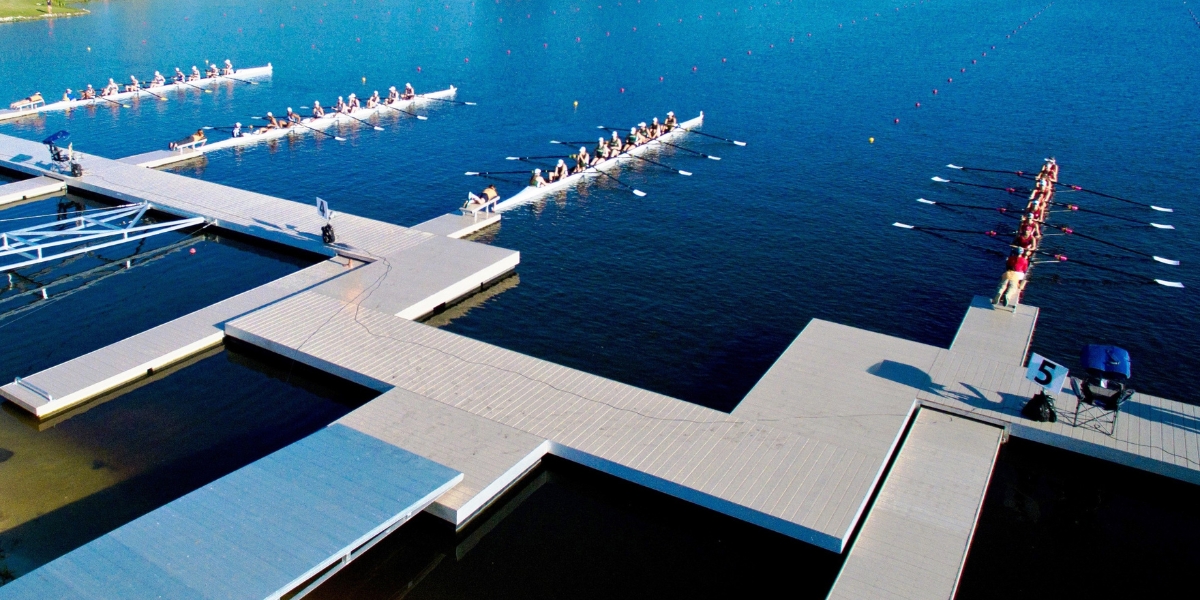
Rowing Dock Stability: How Dock Design Impacts Training Efficiency
When it comes to rowing docks, even small design choices can make a big difference in how well your team trains. Many people focus on boats and technique, but one important factor is often overlooked: rowing dock stability. The way a dock is built affects safety, efficiency, and how confident rowers feel on the water.
If you are looking at rowing docks for a school, club, marina, or home, understanding stability will help you make a better decision. This guide explains what stability means, why it matters, and how dock design impacts training.
Why Rowing Dock Stability Matters for Training Efficiency
Rowing dock stability plays a much bigger role in training than many people realize. Coaches often spend a lot of time thinking about boat selection, stroke technique, fitness, and water conditions. Those things matter. But the dock itself also affects how smoothly practice runs. If the dock moves too much, rowers have a harder time getting into and out of the boat. That leads to delays, stress, and avoidable mistakes before practice even begins.
In rowing, every practice minute counts. Athletes need a safe and steady place to launch, return, and regroup between pieces. A stable rowing dock helps teams move faster, stay organized, and spend more time rowing instead of dealing with problems at the shoreline.
What Does Rowing Dock Stability Mean?
Rowing dock stability refers to how steady the dock stays when people walk on it, stand on it, or step into a shell from the side. A stable dock should not rock too much, bounce heavily, or shift in ways that make rowers lose balance.
Good stability means the dock:
- Stays level when rowers move across it
- Does not tilt too much when weight shifts
- Feels predictable underfoot
- Makes entry and exit easier for athletes of different skill levels
Poor stability means the dock:
- Wobbles when one or more people step on it
- Drops too much at the edge during boarding
- Feels uneven or bouncy
- Makes rowers nervous during launch and recovery
That difference matters because rowing shells are narrow, lightweight, and easy to unsettle. Even a small movement from the dock can affect the boat.
Why Stability Matters in Rowing More Than in Other Activities
Many types of docks are used for general boating, fishing, or swimming. Rowing is different. A rower does not simply step down into a wide, stable boat. Instead, they enter a long, narrow shell that sits very low in the water. There is very little room for error.
When a rower gets into a shell, they need to:
- Control their body weight carefully
- Keep the boat balanced from side to side
- Step in at the right angle
- Avoid sudden movements
If the dock shifts during that moment, the rower has to react quickly. For an experienced athlete, that may be manageable. For a beginner, it can feel intimidating and unsafe.
That is why rowing docks need a different level of stability than many standard floating docks.
How a Stable Dock Improves Training Efficiency
Training efficiency means getting the most value out of practice time. In rowing, that includes launching quickly, keeping athletes safe, reducing distractions, and creating a smooth routine from start to finish.
A stable dock helps with all of those things.
1. Faster Boat Launches
A stable dock helps rowers get into boats more quickly. They do not have to pause and wait for the dock to settle. They do not need as much help steadying themselves. Coaches also spend less time managing traffic at the launch area.
When a team can launch faster:
- Practice starts on time
- Athletes get more water time
- Coaches can keep the session moving
This may not seem like a big issue at first. But when a program launches several boats each day, even small delays can add up. Losing a few minutes at the start and end of every session can mean losing hours of training time over the course of a season.
2. Safer Entry and Exit
Safety is one of the biggest reasons rowing dock stability matters. Boarding and exiting are some of the most vulnerable moments in rowing. The rower is off balance, the shell is close to the dock, and one wrong move can lead to a fall or a damaged boat.
A stable dock helps reduce:
- Slips
- Sudden drops at the dock edge
- Missed footing
- Panic during entry
- Collisions between the shell and dock
This is especially important for:
- Youth teams
- College programs with large rosters
- Masters rowers
- Adaptive rowing programs
- Learn to row participants
When athletes feel safe, they move with more confidence and less hesitation.
3. Less Wear and Tear on Boats
Rowing shells are expensive and delicate. If a dock shifts too much during launch or landing, the boat can hit the edge of the dock, rub against hardware, or get pushed out of position.
Over time, poor dock stability can contribute to:
- Scratches and surface damage
- Cracks or stress points
- Bent riggers
- Extra maintenance costs
A stable dock helps protect equipment by giving athletes a more controlled launch point. That matters for programs trying to manage costs and protect long term investments.
4. Better Focus During Practice
When rowers are worried about falling, slipping, or damaging a shell, part of their attention is pulled away from training. Instead of focusing on timing, boat feel, and instruction, they are focused on simply getting in and out safely.
A stable dock supports better mental focus because:
- Athletes know what to expect
- The launch routine feels controlled
- Coaches do not need to spend as much time correcting dock related issues
- Beginners feel less nervous before getting on the water
This creates a better training environment. Athletes can focus on rowing, not on managing avoidable problems at the dock.
How an Unstable Dock Slows Everything Down
An unstable dock does more than feel inconvenient. It can affect the whole flow of practice.
Delays at the Start of Practice
If rowers have to wait for the dock to stop moving before entering the boat, the launch takes longer. When several athletes are boarding at once, that problem grows.
Common delays include:
- Athletes hesitating before stepping in
- Coaches needing to hold boats longer
- Rowers taking extra time to find balance
- Traffic backups on the dock
These delays can be frustrating, especially during early morning practices, race prep, or group sessions where timing matters.
More Stress for Coaches and Athletes
An unstable dock adds pressure. Coaches may need to pay closer attention to launching than they should. Athletes may feel rushed or anxious. Beginners may lose confidence before they even leave shore.
This can lead to:
- More verbal corrections
- More coaching energy spent on launching
- Higher stress during busy practice windows
- A less efficient learning environment
Instead of building momentum at the start of practice, the team starts with frustration.
Interrupted Recovery and Return to Dock
Dock stability matters at the end of practice too. Returning to the dock should be calm and controlled. If the dock moves too much during landing, rowers may struggle to get out of the shell smoothly.
That can cause:
- Slower rotation between crews
- More help needed from teammates or staff
- Greater risk of damage when docking
- Extra confusion during high traffic times
A stable dock supports efficient transitions both on the way out and on the way back in.
How Stability Affects Performance on the Water
It may seem like dock stability only affects what happens at the shoreline. In reality, it can influence the quality of the full training session.
Confidence Starts at the Dock
Confidence matters in rowing. If athletes start practice feeling tense or uncertain, that feeling can carry onto the water.
A stable dock helps rowers begin practice with:
- Better composure
- Less anxiety
- Stronger sense of control
- More trust in the environment
This is especially important for novice rowers. Their first experiences often shape how quickly they improve and how comfortable they feel coming back to practice.
A Better Routine Builds Better Habits
Rowing is built on routine. Athletes repeat small actions over and over, from carrying the shell to setting it down to launching cleanly. A stable dock supports that routine by making it easier to repeat good habits.
When dock conditions are predictable:
- Entry technique improves
- Team timing improves
- Coaches can teach a consistent process
- Athletes waste less energy adapting to dock movement
Consistency at the dock helps support consistency on the water.
Why Beginners Need Stable Rowing Docks Even More
When people talk about rowing performance, they often focus on the boat, the coach, or the rower’s technique. But for beginners, the dock can shape the entire experience. Rowing docks are often the first place a new athlete interacts with the sport. That means the dock does more than provide access to the water. It helps set the tone for whether rowing feels safe, manageable, and worth continuing.
This is why stability matters so much. Experienced rowers can often adjust to small movements in the dock because they already understand balance, timing, and how to move around a shell. Beginners do not have that same comfort level yet. Even a small amount of rocking or shifting can feel like a major problem to someone who is brand new to the sport.
Beginners Start with Less Balance and Body Awareness
A new rower is learning several things at once. They are trying to understand how to carry the boat, where to place their feet, how to hold the oars, and how to get into the shell without tipping it. That is a lot to process in a short amount of time.
Most beginners:
- Have limited balance in unstable environments
- Move more slowly because they are unsure
- Need extra time to step into position
- Feel nervous about falling into the water
- Struggle with shifting their weight smoothly into the shell
An experienced rower may treat boarding as a simple routine. A beginner often sees it as the hardest part of the lesson. If the dock is moving under them while they are already trying to manage fear and confusion, the task becomes much more difficult.
Why an Unstable Dock Makes Learning Harder
A beginner needs a clear and steady platform. When the dock rocks, dips, or shifts from side to side, it adds one more challenge to an already demanding skill.
If the dock feels unstable, several things can happen:
- The athlete may hesitate too long before stepping in
- They may rush because they feel pressured or embarrassed
- They may place their foot in the wrong spot
- They may grip the boat too tightly and upset its balance
- They may step with stiff, awkward movements that make entry harder
This can lead to a poor first experience. A beginner who feels unsafe at the dock may assume rowing itself is too hard for them. In many cases, the problem is not the sport. The problem is that the launch area did not support the learning process.
Stable Rowing Docks Help Beginners Focus on the Right Skills
A stable dock removes one major source of stress. Instead of worrying about whether the dock will move under them, beginners can focus on the steps they need to learn.
A stable dock helps beginners:
- Practice proper entry technique
- Feel safer the first time they board
- Build confidence more quickly
- Learn body position and weight transfer
- Spend more time learning to row, instead of managing fear
This matters because early lessons shape future progress. A beginner who feels calm and supported is more likely to listen to coaching, remember instructions, and improve from session to session.
First Impressions Matter in Rowing
The first few practices often determine whether someone sticks with rowing. This is especially true in youth programs, school teams, camps, and community clubs. New athletes are deciding very quickly whether they feel comfortable in the environment.
A stable rowing dock helps create a better first impression because it makes the sport feel:
- More approachable
- More organized
- Less intimidating
- Safer to try
If a new rower steps onto a dock that feels solid and predictable, they are more likely to trust the process. That trust matters. It can make the difference between a student who wants to come back and one who decides rowing is not for them.
Rowing Dock Stability Supports Better Instruction
Stable docks do not just help athletes. They also help coaches and instructors teach more effectively.
When coaches work with beginners, they often need to:
- Demonstrate entry step by step
- Give physical and verbal cues
- Watch each athlete closely
- Keep the group moving at a steady pace
- Manage safety while teaching basic skills
If the dock is unstable, coaches spend more time reacting to problems. They may need to steady boats, repeat instructions, or calm nervous athletes. That takes time away from actual teaching.
With better rowing dock stability, instructors can focus more on skill development and less on preventing avoidable mistakes. Practices become more efficient, and beginners get more value from every session.
Why Weight Transfer Is So Difficult for New Rowers
One of the hardest parts of boarding a rowing shell is weight transfer. This means shifting body weight from the dock into the boat without causing too much movement.
For experienced rowers, this becomes second nature. Beginners usually have trouble because they:
- Do not know how much pressure to use
- Move too suddenly
- Lean in the wrong direction
- Pause halfway through the movement
- Lack confidence in the shell’s balance
A stable dock gives them a better chance to learn this movement correctly. When the dock remains steady, the rower can feel the difference between their own motion and the shell’s motion. That makes it easier to understand what went wrong and how to improve.
Fear Plays a Bigger Role Than Many People Realize
Many beginners are worried about capsizing, slipping, or falling into the water. Even if they do not say it out loud, that fear affects how they move. Nervous athletes often become stiff, hesitant, or overly cautious, which can actually make boarding harder.
A stable dock helps lower that fear because it gives beginners something dependable under their feet. When they feel supported, they are more likely to move naturally and follow directions.
This is important because confidence is part of skill development. A beginner who feels safe is more willing to try again, make adjustments, and keep learning.
Stable Rowing Docks Can Improve Athlete Retention
For schools, clubs, and community programs, retention matters. It takes time and effort to recruit new athletes, teach them the basics, and build a strong team culture. When beginners leave early because the sport feels too intimidating, programs lose potential rowers before they ever get comfortable.
Stable rowing docks can help with retention because they:
- Make early sessions less stressful
- Help athletes feel successful sooner
- Reduce embarrassing or frightening moments
- Support a more welcoming learning environment
That is especially valuable for programs introducing rowing to younger students or first-time participants. When people feel capable early on, they are more likely to stay with the sport.
Stable Docks Also Support Parents, Staff, and Program Leaders
The value of stable docks goes beyond the athlete. Parents want to know their child is learning in a safe environment. Coaches want a setup that helps them teach well. School and facility leaders want equipment that supports participation and reduces risk.
A stable dock helps all of those goals by:
- Improving safety during boarding
- Reducing preventable accidents
- Making lessons run more smoothly
- Supporting a better overall program experience
For organizations that are trying to grow a rowing program, dock design is not a small detail. It is part of the foundation.
What Makes Rowing Docks Stable
Not all rowing docks offer the same level of stability. Several design features work together to create a steady platform.
Floatation System
The floatation system supports the dock in the water. It controls how the dock moves and how stable it feels.
Important factors include:
- Size of the floats
- Spacing between floats
- Material used
Larger floats that are evenly spaced help keep the dock level and reduce movement.
Dock Width and Layout
Wider docks are usually more stable. Narrow docks can feel unsteady, especially when several rowers are moving at once.
A good layout should:
- Give rowers enough space to move safely
- Prevent crowding
- Create clear paths for launching boats
Freeboard Height
Freeboard is the distance from the water to the top of the dock. This is very important for rowing.
Most rowing docks have a freeboard between 6 and 10 inches.
If the dock is too high:
- It is harder to step into the boat
- Balance becomes more difficult
If the dock is too low:
- Water may come onto the dock
- It may feel less stable
Anchoring System
Anchoring keeps the dock in place. Without proper anchoring, even a well designed dock can move too much.
Common systems include:
- Pilings
- Cables
- Weighted anchors
A strong anchoring system limits side to side movement.
Deck Surface
The surface of the dock affects both safety and stability.
Look for:
- Slip resistant materials
- Strong, rigid decking
- Materials that last over time
A solid surface reduces flex and helps rowers feel more secure.
Rowing Dock Stability in Real Conditions
Design matters, but real world conditions also play a role in rowing dock stability.
Water Conditions
Different environments affect how docks perform.
- Calm lakes are easier to manage
- Rivers add current and movement
- Coastal areas bring waves and tides
A dock should match the conditions where it will be used.
Usage Levels
Busy programs need stronger docks.
Think about:
- How many rowers use the dock at once
- How often boats are launched
- The type of boats being used
More activity means the dock needs to stay stable under constant movement.
Skill Level of Users
Beginners depend more on a stable dock.
New rowers:
- Have less balance
- Move more slowly
- Need extra support
A stable dock helps them learn faster and feel more comfortable.
Features That Improve Rowing Dock Stability
Not all rowing docks perform the same way. Two docks may look similar at first, but their design can lead to very different results on the water. If your goal is safe launching, smoother practices, and better long term value, it is important to understand which features actually improve stability.
Rowing dock stability comes from a mix of smart design choices, strong materials, and a layout that matches how rowers move. A dock should feel steady when athletes walk on it, stand at the edge, and step into a shell. It should also stay balanced when several people use it at once.
The features below are some of the most important things to look for when comparing rowing docks.
What makes a rowing dock stable?
A stable rowing dock usually has:
- A low height above the water
- Strong framing that resists twisting
- Floats placed to support weight evenly
- A layout built for rowing traffic
- Connections that keep sections working together
Each of these features affects how the dock performs during daily use. Let’s look at them one by one.
Modular Design
A modular design is one of the most useful features in modern rowing docks. Instead of being built as one fixed piece, modular docks are made from sections that connect together. This gives owners more flexibility and often leads to a better overall setup.
Why modular design helps rowing dock stability
At first, modular design may sound like it is only about convenience. It does make future changes easier, but it also supports stability in important ways.
A modular system can be designed to:
- Match the shape of the shoreline
- Fit the number of rowers using it
- Create wider launch areas where needed
- Add sections in busy zones without replacing the entire dock
When a dock fits the site and the traffic pattern better, it usually performs better. A poorly sized dock can feel crowded, uneven, or overloaded in key areas. A modular system makes it easier to avoid those problems.
Benefits of modular rowing docks
A modular design offers several advantages:
- Custom layouts for schools, clubs, and private users
- Easier expansion if a rowing program grows
- Better ability to match local water conditions
- Simpler repairs if one section is damaged
- More control over launch and return traffic
This matters because rowing programs often change over time. A club may add more athletes, increase the number of shells, or rearrange how crews launch. A modular dock can adapt to those changes.
How modular design supports better use of space
Space planning affects stability more than many buyers expect. If too many athletes crowd into one area, the dock can feel less steady. A modular layout allows you to create:
- Separate launch and landing areas
- Wider waiting sections
- T shaped or L shaped layouts
- Extra space where coaches or assistants stand
This helps spread out weight and movement. When rowers are not all stepping into boats from the same small section, the dock feels more controlled and easier to use
Common Problems That Reduce Stability
Some issues can make rowing docks less stable.
Wrong Dock Type
General docks are not always built for rowing.
They may:
- Sit too high
- Lack proper float support
- Feel unstable under shifting weight
Ignoring Site Conditions
Every location is different.
You should consider:
- Wind exposure
- Wave activity
- Water level changes
Overloading the Dock
Too much weight can reduce stability and wear down the dock faster.
Poor Installation
Even a good dock can fail if installed incorrectly.
Common problems include:
- Weak anchoring
- Loose connections
- Uneven sections
How Stability Affects Long Term Costs
Choosing stable rowing docks can save money over time.
Less Maintenance
Stable docks:
- Wear down more slowly
- Need fewer repairs
- Last longer
Protects Equipment
Rowing shells are expensive. A stable dock helps prevent:
- Scratches
- Collisions
- Damage
Supports Growth
Reliable docks help programs:
- Attract more rowers
- Run smoother practices
- Build a better reputation
Industry Considerations
There are many companies that build rowing docks, and each offers different designs.
Because of this, it is important to compare:
- Materials
- Stability features
- Custom options
Price alone should not be the only factor.
Questions to Ask Before Buying Rowing Docks
Before choosing a dock, ask:
- How stable is it with multiple users?
- What is the freeboard height?
- Will it work in your water conditions?
- What type of anchoring is used?
- Can it be expanded later?
These questions can help you choose the right dock for your needs.
Frequently Asked Questions About Rowing Docks
What are rowing docks?
Rowing docks are floating platforms designed for launching rowing shells. They sit lower to the water than standard docks and provide better balance.
Why is rowing dock stability important?
Rowing dock stability helps rowers enter boats safely and quickly. It also improves training efficiency and reduces risk.
What height should rowing docks be?
Most rowing docks have a freeboard between 6 and 10 inches. This makes it easier to step into the boat.
Are floating rowing docks better than fixed docks?
Floating rowing docks adjust with water levels. This helps maintain consistent height and access.
Can rowing docks be customized?
Yes. Many rowing docks can be built to fit your space and needs.
Do rowing docks require maintenance?
Yes. Regular checks help keep the dock safe and stable. Maintenance needs depend on materials and usage.
Get Started with Rowing Docks That Improve Training
Strong rowing dock stability makes a real difference in how your team trains. A stable dock helps rowers feel confident, reduces delays, and creates a safer environment.
If you are planning to invest in rowing docks, focus on stability, durability, and design. These factors will help you get the most value over time.
To learn more about floating dock solutions or to find the right setup for your needs, visit our rowing dock service page or contact us for more information.



AccuDock is a global leader in the design and manufacturing of Floating Docks
CALL 954.785.7557 OR EMAIL [email protected] FOR MORE INFORMATION


