

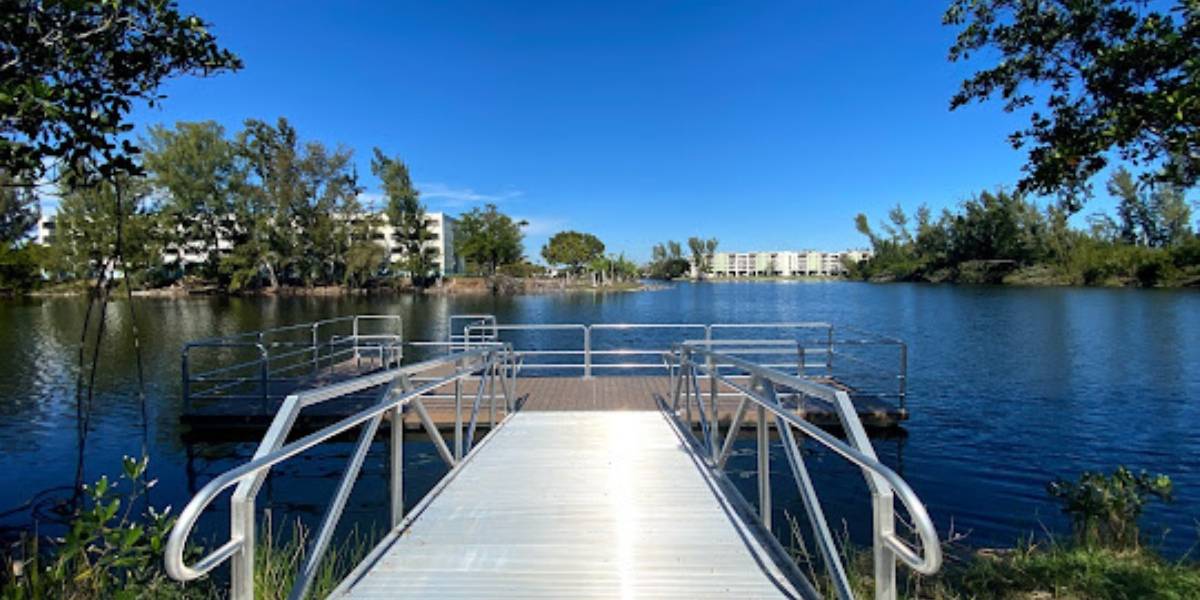
Floating Docks vs. Fixed Docks: Why Floating Wins the Summer
When summer arrives, your dock becomes more than a place to tie up a boat. It becomes the center of swimming, kayaking, fishing, entertaining, and everyday waterfront fun. That is why the floating dock vs fixed dock decision matters so much for homeowners, marinas, parks, camps, and commercial waterfront facilities.
Both dock types can serve a purpose. A fixed dock is built on permanent supports, such as pilings or posts, and stays at one set height. A floating dock sits on buoyant sections and rises or falls with the water. That one difference changes how each dock performs during busy summer months.
For many waterfront properties, floating docks offer more comfort, more flexibility, and easier access during changing water levels. They are especially useful on lakes, rivers, coastal areas, and active waterfronts where water height, boat traffic, and seasonal use can change quickly.
In this guide, we’ll compare floating docks and fixed docks in plain language so you can make a smart choice for your waterfront. We’ll look at access, safety, maintenance, cost factors, design options, summer use, and long-term value.
What Is the Difference Between a Floating Dock and a Fixed Dock?
The main difference between a floating dock and a fixed dock is how the dock interacts with the water. A floating dock moves with the water level. A fixed dock stays in place above the water on posts, piles, or other structural supports.
A floating dock is built on flotation units that keep the dock platform on the surface. This allows the dock to move up and down as tides, lake levels, river flow, or seasonal rainfall change. Many modern floating dock systems are modular, meaning they can be configured for different layouts, uses, and waterfront conditions.
A fixed dock is anchored into the ground below the water. It may feel very permanent, but its height does not change when the water rises or falls. That can be fine in areas with very stable water levels. In places with changing water, it can create access problems.
Here is a simple way to think about it:
| Feature | Floating Dock | Fixed Dock |
| Water level changes | Moves with the water | Stays at one height |
| Boat access | Usually more consistent | Can become too high or too low |
| Summer recreation | Flexible for swimming, paddling, and boating | Good when water levels stay steady |
| Installation | Often less invasive | May require deeper structural work |
| Layout changes | Easier with modular designs | Harder to modify |
| Maintenance | Depends on materials and environment | Depends on pilings, decking, and exposure |
When comparing a fixed dock vs floating dock, the right answer depends on water conditions, intended use, budget, permits, and long-term goals. Still, for many summer-focused waterfronts, floating docks solve several common problems before they start.
Why the Floating Dock vs Fixed Dock Decision Matters More in Summer
Summer puts your dock to the test. More people use it. More boats come and go. Kids swim from it. Kayaks launch from it. Guests gather on it. If the dock is hard to access, uncomfortable, or poorly matched to water conditions, the entire waterfront experience can suffer.
Floating docks often perform well during summer because they stay closer to the water surface. That can make it easier to step into small boats, launch paddle craft, sit near the water, or climb out after swimming. For families and recreational properties, this can make a big difference.
Water levels can also change during summer. Heavy rain, drought, tides, dam releases, and boat wake can all affect dock use. NOAA provides official tide and water level data for many coastal and Great Lakes areas, which shows why local water conditions should always be part of dock planning.
A fixed dock may work well at one water height but become awkward when the water shifts. If the water drops, users may have to climb down to reach a boat. If the water rises, the dock may sit too close to the surface or become harder to use safely.
Floating docks reduce that problem because they move with the water. That makes them especially practical for summer properties where comfort, access, and daily use matter.
Key Benefits of Floating Docks for Summer Use
Floating docks are popular for summer because they adapt to how people actually use the water. They support boating, swimming, kayaking, fishing, and lounging without locking the property into one rigid layout.
Easier Access to Boats and Water
One major advantage of floating docks is the consistent relationship between the dock and the water surface. Since the dock rises and falls with the water, stepping into a kayak, canoe, paddleboard, or small boat can feel more natural.
This is especially helpful for:
- Families with children or older guests
- Kayakers and paddleboarders
- Rowers and small craft users
- Marinas with changing slip activity
- Camps and parks with heavy summer use
- Waterfront homeowners who want simple daily access
For paddle sports, a low and stable launch area can make a big difference. A property that supports kayaking, canoeing, or paddleboarding may benefit from dedicated kayak and paddle sport dock systems designed around safer boarding and exiting.
Fixed docks can still support water access, but the height can become a challenge. If the dock sits too high above the water, users may struggle to board smaller craft. If the water rises too much, the dock may not provide enough clearance or comfort.
Better Performance With Changing Water Levels
Summer water conditions are not always predictable. Some lakes drop during dry periods. Coastal areas face tides. Rivers may rise after storms. Reservoirs can shift due to water management needs.
A floating dock helps reduce the impact of these changes. Instead of forcing users to adapt to the dock, the dock adapts to the water.
That matters for more than comfort. It can also help protect boats, reduce awkward boarding angles, and make the dock more useful across the season. For homeowners comparing types of floating docks for waterfront homes, water level movement is one of the first details to consider.
More Flexibility for Summer Activities
A fixed dock is usually built for one layout. Once it is installed, changing the shape, length, or function can be difficult. Floating docks are often more flexible, especially when built with modular sections.
That flexibility can support many summer uses, such as:
- Adding a swim platform
- Creating a kayak launch area
- Extending a walkway
- Building a marina layout
- Supporting seasonal event access
- Adding space for fishing or lounging
For residential properties, this can help the dock grow with the family’s needs. For commercial sites, it can make it easier to adjust the waterfront for guests, staff, events, and changing traffic flow.
If your main goal is recreation, floating swim dock platforms can create a dedicated area for swimming, sunning, and water access without relying on a fixed structure that may sit too high or too far from the water.
Fixed Dock vs Floating Dock: Where Fixed Docks Can Work
A fair fixed dock vs floating dock comparison should point out that fixed docks are not always the wrong choice. In some locations, a fixed dock can work well.
Fixed docks may be a good fit when:
- Water levels are very stable
- The bottom conditions are suitable for pilings
- The dock needs to support certain heavy loads
- Local rules favor fixed construction
- The property owner wants a permanent pier-style structure
Fixed docks can also feel very solid underfoot when they are designed and built correctly. For some waterfronts, especially protected areas with little water movement, that can be appealing.
Still, fixed docks have tradeoffs. They are less forgiving when water levels change. They can be harder to adjust after installation. Repairs to pilings or supports may require more involved work. Access for swimming and small craft may also be less comfortable if the dock height is not well matched to the water.
The best choice depends on the site. But when summer recreation, changing water, and user comfort are top priorities, floating docks often have the edge.
Why Floating Docks Often Win for Residential Waterfronts
For homeowners, a dock is part of everyday life on the water. It should be easy to use, simple to maintain, and suited to how the family spends time outside.
A floating dock can make a waterfront feel more inviting because it keeps people close to the water. That matters when the dock is used for swimming, launching kayaks, boarding boats, or relaxing with guests.
Homeowners often choose floating docks because they want:
- Easier access for kids and guests
- Better support for changing lake or tidal levels
- A dock that can grow or change over time
- Lower disruption during installation
- A cleaner layout for recreation and entertaining
A modular floating dock can also support different zones. One side might be used for a small boat. Another section might be set up for paddleboards. A wider platform can create space for chairs, coolers, or fishing gear.
For design ideas, homeowners can compare residential dock systems and think through how each layout would support daily summer use. The right dock should match the property, not force the family to change how they enjoy the water.
Why Floating Docks Make Sense for Marinas and Commercial Properties
Marinas and commercial waterfronts have different needs than private homes. They must think about guest access, boat traffic, durability, safety, and long-term upkeep.
Floating docks are often a strong fit for marinas because they adjust with water levels and support many boat types. A marina with floating slips can offer more consistent boarding conditions, especially in coastal or tidal areas.
Commercial sites may also need layouts that can change over time. A waterfront business might add slips, adjust walkways, create temporary work access, or build out customer areas. Modular floating systems make those changes easier than many fixed structures.
For marina planning, floating dock systems for marinas can support slip layouts, access routes, and custom configurations for different property needs. Supporting resources like marina design insights can also help owners think through traffic flow, guest experience, and maintenance planning.
Floating Docks and Accessibility Considerations
Accessibility should be part of dock planning from the start, especially for public spaces, parks, government facilities, marinas, and commercial properties. A dock that is easy for more people to use creates a better waterfront experience.
The U.S. Access Board provides guidance for accessible recreational boating facilities, including requirements related to accessible routes, clear pier space, and boating facility design. These rules can vary by facility type and project scope, so property owners should review local requirements and work with qualified design professionals.
Floating docks can support accessibility goals because they move with the water. That can help reduce major height differences between the dock and boat during changing water conditions. Gangway slope, clear width, edge protection, transitions, and surface materials still need careful planning.
For kayak and canoe access, ADA compliant kayak and canoe launch docks can help public and private facilities create more usable launch areas for a wider range of users.
Accessibility is not only about meeting a rule. It is about making the water easier to enjoy for more people.
Maintenance: Floating Dock vs Fixed Dock Over Time
Maintenance is one of the biggest questions in any floating dock vs fixed dock decision. No dock is maintenance-free, but the type of maintenance can vary.
Fixed docks often require attention to pilings, posts, hardware, decking, and structural connections. Since the support system is fixed in the waterbed, repairs can be more involved. Damage from storms, rot, corrosion, marine growth, or shifting bottom conditions can also affect long-term performance.
Floating docks need maintenance too. Owners should inspect flotation, connections, anchoring systems, decking, fasteners, and wear points. The good news is that many floating dock sections are easier to access, replace, or reconfigure than fixed structural supports.
Maintenance needs depend heavily on materials. Aluminum, HDPE, PVC, and other marine-grade materials can help reduce common issues like rot, splintering, and corrosion. For example, aluminum floating docks are often chosen for strength, clean appearance, and long-term waterfront use.
Regular inspections are still important. Before summer starts, dock owners should check:
- Loose or worn hardware
- Damaged decking or surface wear
- Float condition
- Gangway connections
- Anchoring points
- Cleats, bumpers, and edging
- Signs of storm or impact damage
A practical maintenance routine can extend dock life and make the dock safer for everyone who uses it.
Cost Factors to Consider Before Choosing a Dock
Dock cost depends on site conditions, materials, size, layout, permitting, installation, anchoring, accessories, and long-term maintenance. A fixed dock may have higher costs when deep pilings, heavy equipment, or complex structural work are needed. A floating dock may have different costs tied to flotation, anchoring, modular sections, and access components.
Instead of asking which dock is always cheaper, ask which dock offers better value for the site.
Important cost questions include:
- How much does the water level change?
- Will the dock need to support boats, swimmers, paddle craft, or all three?
- How hard is the site to access during installation?
- What permits are required?
- Will the dock need to be removed seasonally?
- How much maintenance is expected over time?
- Could the layout need to change in the future?
For many waterfront owners, floating docks offer strong value because they remain useful across more water conditions. They can also be easier to modify, expand, or adapt than fixed structures. If the property’s needs may change, flexibility can reduce future replacement costs.
Summer Safety and Comfort
A summer dock should feel safe, steady, and comfortable. People should be able to board boats, walk across the surface, swim nearby, and enjoy the space without constant frustration.
Floating docks can improve comfort by keeping the walking surface closer to the water. That helps with boarding and exiting boats, especially smaller craft. It can also make swimming access easier when paired with the right ladder, platform, or launch design.
Safety planning should include:
- Slip-resistant decking
- Good lighting for evening use
- Clear walking paths
- Proper bumpers and edging
- Safe ladder placement
- Clear separation between swimmers and boats
- Regular inspections
- Rules for children and guests
For boating safety, the U.S. Coast Guard’s recreational boating safety resources offer guidance on life jackets, safe operation, and boating best practices. Dock safety and boating safety work together. A well-planned dock supports safer movement, but users still need good habits on the water.
Storms, Waves, and Water Movement
Summer can bring sudden storms, wind, and heavy rain. Coastal areas may also face tropical systems. Lakes and rivers can see fast-changing conditions after storms.
Floating docks are designed to move with the water, but that does not mean they can be ignored during severe weather. Anchoring, attachment methods, wave exposure, freeboard, and surrounding structures all matter.
A fixed dock can face stress when high water, wave action, or debris hits the structure. Because it does not rise with the water, it may take more direct force during certain events. Floating docks can move with water changes, but they still need proper anchoring and site-specific planning.
Owners in flood-prone areas can use FEMA’s Flood Map Service Center to review official flood hazard information. This can help inform dock planning, insurance conversations, and waterfront risk awareness.
For severe weather planning, resources like hurricane-resistant dock guidance and storm preparation tips for floating docks can help owners think through seasonal readiness.
Best Uses for Floating Docks
Floating docks can support many uses because they are flexible, modular, and adaptable to water movement.
Common uses include:
- Residential boat docks
- Swim platforms
- Kayak and canoe launches
- Paddleboard access
- Marina slips and walkways
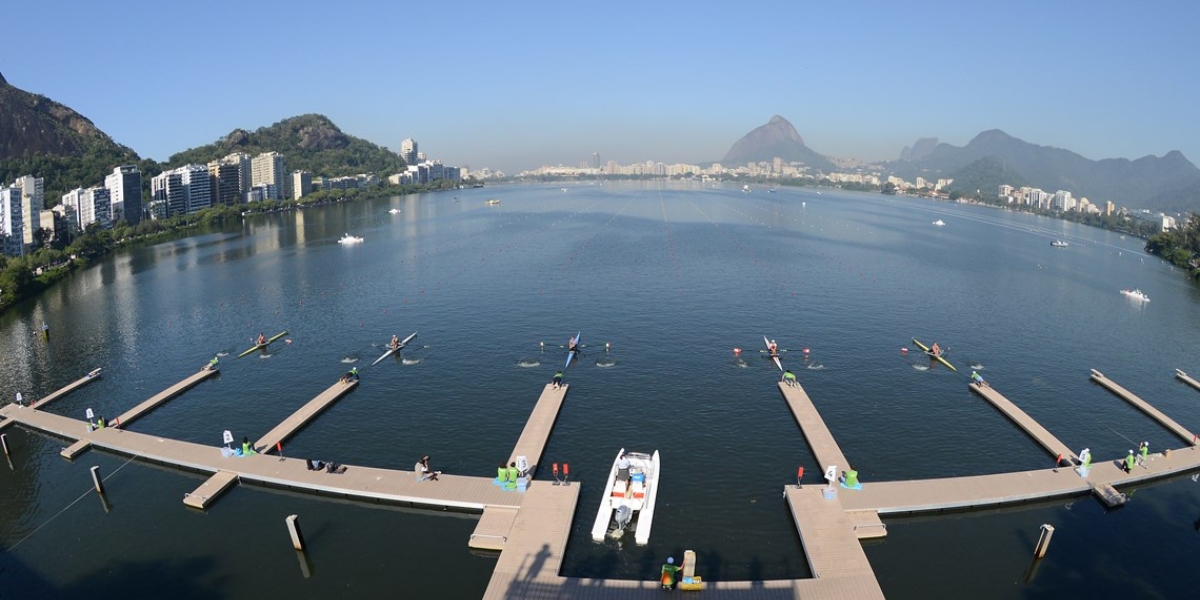
- Rowing docks
- Fishing platforms
- Work floats
- Parks and camps
- Government waterfront access
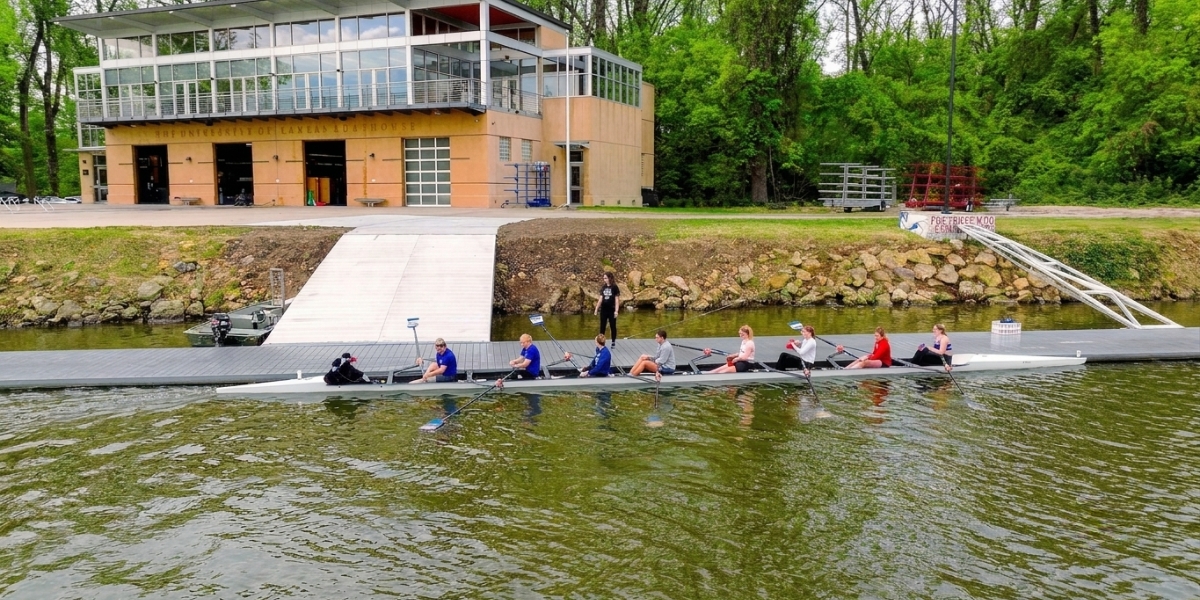
A homeowner may want a simple summer recreation platform. A marina may need a full slip system. A rowing program may need a low-freeboard launch area. A contractor may need a floating work surface.
That range is one reason floating docks are so common across different waterfront settings. They can be designed around the user, the water, and the property’s purpose.
For boat owners, floating boat dock options can be configured to support access, docking, and daily waterfront use.
When a Fixed Dock May Not Be the Best Fit
A fixed dock may not be ideal when the water changes often. If the water level rises and falls throughout the season, a fixed dock can become inconvenient or even difficult to use.
You may want to think twice about a fixed dock if:
- The water level changes by several feet
- The area has tides, river flow, or seasonal drawdowns
- Small craft access is a priority
- The dock will be used by children, older adults, or many guests
- You want the option to expand or change the layout
- The bottom conditions make piling installation difficult
- Summer recreation is the main goal
A fixed structure can still work in stable water. But for active waterfronts, the lack of movement can become a drawback. That is why many owners comparing a fixed dock vs floating dock choose floating once they think about daily use.
How to Choose Between Floating and Fixed Docks
The best dock choice starts with your site. Before choosing, look closely at water behavior, shoreline conditions, use patterns, and local rules.
Ask these questions:
- How much does the water rise and fall?
- Is the shoreline exposed to waves or boat wake?
- What activities will the dock support?
- Who will use the dock most often?
- Will the layout need to change later?
- What maintenance level feels realistic?
- Are there accessibility needs?
- What permits are required?
- What materials make sense for the environment?
For many people, the final decision comes down to use. If you want a stable structure over very steady water, a fixed dock may work. If you want flexible summer access that adapts to water changes, a floating dock is often the better fit.
A helpful next step is reviewing how to choose a floating dock so you can compare materials, layouts, flotation, anchoring, and use cases before planning a project.
Frequently Asked Questions About Floating Dock vs Fixed Dock
What is the main difference in a floating dock vs fixed dock comparison?
The main difference is movement. A floating dock rises and falls with the water, while a fixed dock stays at one set height. This makes floating docks useful in places with tides, seasonal water changes, or shifting lake levels. Fixed docks can work well when water levels stay steady.
Which is better for summer, floating dock vs fixed dock?
For summer recreation, floating docks often work better because they keep users closer to the water. This helps with swimming, kayaking, paddleboarding, and boarding small boats. A fixed dock may still work well in calm, stable water, but it can become less comfortable when water levels change.
Is a fixed dock vs floating dock comparison different for marinas?
Yes. Marinas often need to think about boat traffic, guest access, water level changes, and slip layouts. Floating docks can provide more consistent access for boaters and can be easier to configure for different marina needs. Fixed docks may work in some protected locations, but they are less flexible.
Are floating docks safe for families?
Floating docks can be a good choice for families when they are designed, installed, and maintained correctly. Safety features may include slip-resistant decking, ladders, bumpers, handrails, and clear swim areas. Families should also set rules for children, life jackets, and boat traffic near the dock.
Do floating docks need a lot of maintenance?
Floating docks need regular inspections, but maintenance depends on materials, location, and use. Owners should check floats, hardware, decking, anchoring, and connection points. Marine-grade materials can reduce common issues like rot and corrosion. A seasonal inspection before heavy summer use is a smart habit.
Can floating docks stay in the water year-round?
Some floating docks can stay in the water year-round, depending on climate, ice, storms, anchoring, and manufacturer guidance. In areas with freezing conditions or severe weather, removal or special preparation may be needed. Property owners should review local conditions and follow dock-specific care instructions.
Are floating docks good for kayaks and paddleboards?
Yes! Floating docks are often a strong choice for kayaks and paddleboards because they sit closer to the water and move with changing levels. A dedicated launch design can make boarding and exiting easier than using a tall fixed dock.
Why Floating Dock vs Fixed Dock Choices Often Favor Floating
The floating dock vs fixed dock decision comes down to how your waterfront works in real life. Fixed docks can be useful in stable water and certain permanent settings. But for summer recreation, changing water levels, small craft access, marina flexibility, and long-term layout options, floating docks often offer the better fit.
A floating dock keeps the platform close to the water, adapts to seasonal changes, and supports many uses without locking you into one rigid design. That makes it a smart choice for homeowners, marinas, camps, parks, government sites, and commercial waterfronts that want reliable access and practical value.
If you’re planning a new dock or replacing an older structure, AccuDock can help you compare options and design a system that fits your property, water conditions, and summer goals. Start by exploring custom floating dock systems built for residential, commercial, and public waterfronts and take the next step toward a dock that works better all season long.
AccuDock is a global leader in the design and manufacturing of Floating Docks
CALL 954.785.7557 OR EMAIL [email protected] FOR MORE INFORMATION


