

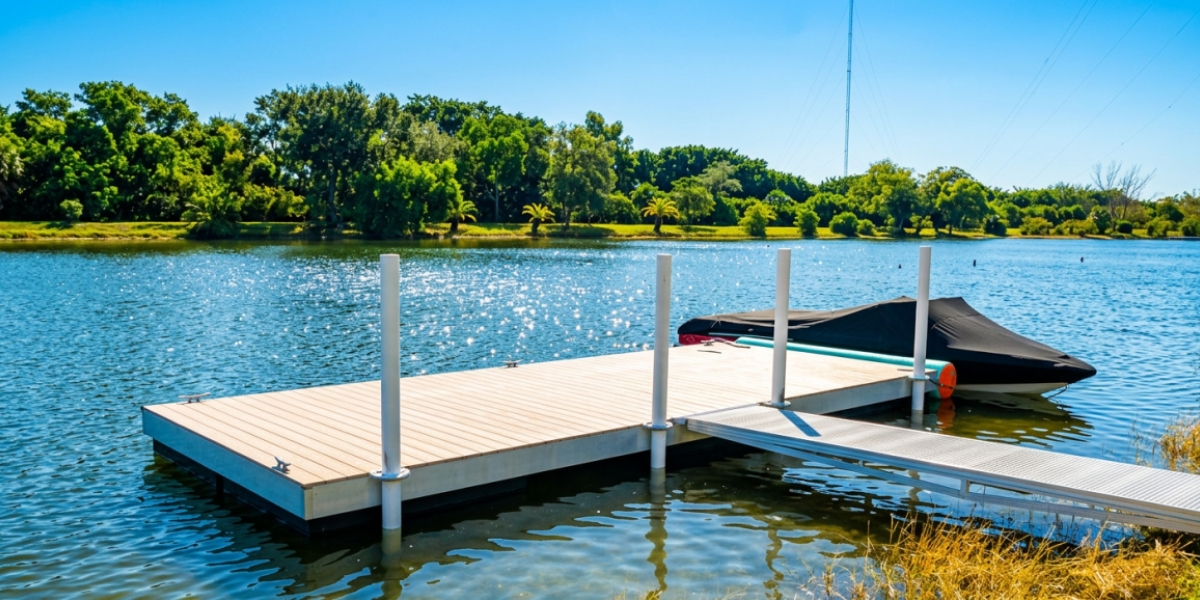
Summer Floating Dock Maintenance Tips for Your Floating Dock
Summer is the season when your dock gets the most use. Boats come and go, kids swim, guests visit, kayaks launch, and the sun beats down for hours at a time. That is why floating dock maintenance is so important during the hottest months of the year.
A floating dock is built to handle changing water levels, daily use, and outdoor conditions, but it still needs care. Heat, UV rays, algae, storms, saltwater, freshwater minerals, and heavy foot traffic can all affect how your dock looks and performs. A simple summer maintenance routine can help you keep your dock safer, cleaner, and ready for the season.
Good maintenance does not have to be complicated. In most cases, it comes down to regular inspections, smart dock cleaning, hardware checks, and paying attention to small issues before they turn into bigger repairs. Whether you own a residential dock, manage a marina, or maintain a public waterfront, these summer tips can help protect your investment.
Why Floating Dock Maintenance Matters More in Summer
Summer brings more activity to the waterfront. More activity means more wear on your dock surface, connections, accessories, and anchoring system. Even a well-built dock can show signs of stress if it is not checked often.
Sun exposure is one of the biggest summer concerns. Long days of direct sunlight can heat up decking materials, fade surfaces, and dry out certain components. Water activity also increases during the summer, which means more boat wakes, more movement, and more chances for impact.
Water quality can also change in warm weather. Algae and mildew tend to grow faster in hot, damp environments. The EPA explains that stormwater runoff can carry pollutants into waterways, which is another reason to keep your dock area clean and avoid harsh cleaners near the water.
A summer floating dock maintenance routine can help you:
- Reduce slippery buildup on walking surfaces
- Catch loose hardware before it becomes a safety issue
- Keep dock sections floating evenly
- Protect ladders, cleats, bumpers, and railings
- Prepare for storms and changing water levels
- Extend the useful life of your dock system
If your dock is used for swimming, paddling, boating, or public access, maintenance is also part of keeping the waterfront comfortable and dependable for everyone.
Start With a Full Summer Dock Inspection
Before summer activity gets too busy, walk your dock from end to end. Take your time and look closely at each section. A quick glance is not enough. Many dock problems start small, and they are easier to fix when you catch them early.
Check the Decking Surface
Your decking is the part of the dock people use most. Look for cracks, soft spots, loose boards, worn texture, lifting edges, or areas that feel uneven underfoot. If the dock gets hot in direct sun, pay attention to how the surface feels during peak afternoon hours.
Different decking materials require different care. If you are comparing surface options or planning a future upgrade, AccuDock’s decking options page explains available choices for floating dock systems.
Also check shaded areas. These spots often stay damp longer, which can lead to algae or mildew buildup. Around ladders, corners, and boat tie-up areas, look for slick patches that may need extra cleaning.
Inspect Dock Connections
Floating docks move with the water, so the connection points matter. Check hinges, brackets, bolts, pins, and fasteners. Look for rust, corrosion, bending, gaps, or signs that parts have shifted.
If your dock uses modular sections, review how those sections are joined. Our guide on how to connect floats is a helpful resource for understanding how dock sections work together.
Loose connections can cause uneven movement. Over time, that can put extra stress on the dock and make the surface feel less stable.
Look Beneath the Dock
If it is safe to do so, inspect the flotation system. Look for cracks, dents, water intrusion, or uneven floating. A dock that sits lower on one side may have a flotation or weight distribution issue.
You should also check for debris trapped under or around the dock. Branches, rope, fishing line, and trash can create problems if they wrap around hardware or block movement.
Dock Cleaning Tips for a Safer Summer Surface
Regular dock cleaning is one of the easiest ways to protect your floating dock. It also makes the dock more pleasant to use. Dirt, pollen, algae, bird droppings, sunscreen residue, and fish remains can all build up during the summer.
A dirty dock is not just a cosmetic issue. Buildup can make surfaces slippery, stain decking, and hide early signs of damage.
How Often Should You Clean Your Dock?
For a residential dock, light cleaning every two to four weeks is usually a good summer schedule. If your dock gets heavy use, weekly rinsing may be helpful.
For marinas, parks, camps, and commercial docks, inspections and cleaning may need to happen more often. Public or high-traffic docks should be checked regularly because more people are using the space.
A simple schedule might look like this:
- Weekly: Sweep away loose debris and check for slippery areas
- Monthly: Wash the surface with water and mild soap
- Mid-season: Inspect hardware, anchors, accessories, and flotation
- After storms: Remove debris and check for damage
- End of season: Deep clean and document needed repairs
As you prepare your dock for a new season, use our boat dewinterization checklist to inspect your vessel and get it ready for its first launch.
We have a helpful blog with more tips on how to clean a pier that can apply to many waterfront surfaces.
Best Products for Dock Cleaning
Use mild, environmentally safer cleaners when working near water. Avoid bleach, harsh solvents, and cleaners that can run into the lake, river, marina, or coastal area.
The EPA’s Safer Choice program can help consumers identify cleaning products that meet safer chemical standards. Always read product labels before using any cleaner near a waterway.
For most dock cleaning jobs, you will need:
- Broom or leaf blower for dry debris
- Garden hose
- Bucket of mild soap and water
- Stiff-bristle brush
- Soft brush for sensitive areas
- Gloves
- Non-slip shoes
Pressure washing may be useful in some situations, but use caution. Too much pressure can damage certain decking materials, loosen parts, or force water into areas where it should not go. Start with the lowest effective pressure and follow the dock manufacturer’s guidance.
Protect Your Dock From Heat and Sun Exposure
Hot weather can affect docks in several ways. Some surfaces become uncomfortable to walk on. Some materials expand slightly in heat. Others may fade after long exposure to sunlight.
Floating dock maintenance during summer should include checking for heat-related wear. Walk the dock at different times of day if possible. Morning conditions may look different from late afternoon conditions.
Signs of Heat-Related Wear
Look for:
- Fading or discoloration
- Warping or bending
- Dry surface cracks
- Loose trim or edges
- Tight joints from expansion
- Areas that feel unusually hot
If you are choosing materials for a new dock, AccuDock’s page on aluminum floating docks can help you compare a durable option for waterfront use.
You can also review our guide on whether aluminum docks get hot if heat is a major concern for your property.
Reduce Heat Stress Where Possible
Shade can help make your dock more comfortable. Depending on your layout, umbrellas, covered seating, or a floating gazebo can create relief from direct sun. For recreational waterfronts, AccuDock’s floating gazebo and patio dock solutions may be useful for creating a more comfortable gathering space.
Keep in mind that anything added to the dock should be secured properly and should not overload the platform.
Check Anchors, Shore Connections, and Gangways
Your dock’s anchoring system helps keep it in place while still allowing it to move with the water. During summer, boat wakes, storms, tides, and water level changes can all affect stability.
Check your anchor lines, poles, brackets, and shore connections. Look for fraying, corrosion, loose fittings, or unusual movement. If your dock has a gangway, inspect its rollers, hinges, handrails, and walking surface.
AccuDock’s aluminum gangways and ramps page is a helpful service resource if your access point needs attention or replacement.
Warning Signs of Anchor Problems
Your anchoring system may need service if you notice:
- The dock shifts more than usual
- The dock pulls away from shore
- Gangway angles become too steep
- Anchor lines look twisted or worn
- The dock bumps nearby structures
- Sections no longer sit evenly
If your dock feels unstable, do not ignore it. Our blog on how to stabilize a floating dock explains common stability concerns and what may cause them.
Prepare for Summer Storms
Summer storms can arrive quickly. In coastal areas, hurricane season adds another layer of risk. Storm prep should be part of every floating dock maintenance plan.
The Ready.gov hurricane guide recommends preparing before storms form, not after warnings are issued. For dock owners, that means checking your system before bad weather is already on the way.
Before storm season, inspect:
- Dock anchors
- Shore attachments
- Gangways
- Cleats
- Bumpers
- Loose furniture
- Ladders
- Storage boxes
- Electrical components, if present
Remove or secure loose items. Chairs, umbrellas, coolers, and storage bins can become hazards in high winds.
We provide a useful guide on preparing your floating dock for a hurricane for property owners in storm-prone areas.
After a storm, inspect the dock again before regular use. Look for shifted sections, damaged hardware, floating debris, cracked decking, and changes in dock height.
Keep Ladders, Cleats, Bumpers, and Accessories in Good Shape
Accessories play a big role in dock safety and comfort. During summer, these parts get used constantly.
Ladders help swimmers get out of the water. Cleats secure boats. Bumpers help protect dock edges. Railings support safer movement. Storage racks keep gear organized.
Check accessories for:
- Loose bolts
- Cracked plastic
- Rust
- Sharp edges
- Worn padding
- Missing caps
- Slippery steps
- Bent brackets
If you need replacements, our dock accessories and hardware shop includes parts that may support your setup.
For boat owners, this is also a good time to review our blog on dock bumper guards and edging to better understand how edge protection helps reduce impact damage.
Match Maintenance to Your Dock Type
Not every dock is used the same way. A private lake dock has different maintenance needs than a marina dock or a public kayak launch.
Residential Docks
Homeowners should focus on comfort, safety, and long-term value. Regular dock cleaning, hardware checks, and accessory inspections are usually enough for most summer upkeep.
If you are planning a home waterfront upgrade, AccuDock’s residential dock systems blog can help you think through layout and use.
Marina and Commercial Docks
Marinas and commercial properties need more frequent inspections because more people use the docks. Staff should document issues and repair hazards quickly.
AccuDock’s marina floating dock solutions page is a strong resource for commercial waterfront operators reviewing dock performance, layout, or future replacement plans.
The blog on marina dock safety tips also offers practical safety ideas for high-traffic dock environments.
Kayak, Paddle Sport, and Swim Areas
Docks used for paddling and swimming need extra attention around launch points, ladders, and wet walking surfaces. These areas are more likely to become slick during summer.
AccuDock’s kayak and paddle sport docks page shows how purpose-built launch systems can make waterfront access easier and safer.
For swim areas, AccuDock’s floating swim dock platforms page is a relevant service resource for camps, parks, resorts, and residential properties.
Create a Simple Summer Maintenance Checklist
A checklist makes floating dock maintenance easier to remember. It also helps property managers, marina staff, and homeowners stay consistent.
Use this simple checklist during summer:
- Sweep debris from the dock surface
- Rinse dirt, pollen, and salt residue
- Scrub algae or mildew before it spreads
- Check for loose fasteners
- Inspect hinges, brackets, and connectors
- Look for cracks, dents, or uneven flotation
- Test ladders and handrails
- Check bumpers and cleats
- Remove trash and fishing line from the waterline
- Secure loose furniture before storms
- Review gangway movement and shore connections
- Document repairs that need professional attention
For a broader look at dock care, our general maintenance page is a helpful internal resource.
Common Floating Dock Maintenance Mistakes to Avoid
Some dock problems happen because owners wait too long to act. Others happen because the wrong cleaning method or repair approach causes damage.
Avoid these common mistakes:
- Using harsh chemicals near the water
- Pressure washing with too much force
- Ignoring loose hardware
- Letting algae buildup stay all season
- Overloading the dock with furniture or equipment
- Skipping inspections after storms
- Forgetting to check the underside of the dock
- Waiting until a small crack becomes a major repair
One of the biggest mistakes is assuming a floating dock does not need care because it is built for the water. A quality dock is designed for marine use, but routine maintenance still matters.
Frequently Asked Questions About Floating Dock Maintenance
How often should floating dock maintenance be done in summer?
Floating dock maintenance should be done at least once a month during summer. High-traffic docks may need weekly checks. After storms, heavy winds, or major events, inspect the dock before normal use resumes.
What is the best way to handle dock cleaning?
The best dock cleaning method is to sweep first, wash with mild soap and water, scrub slippery spots, and rinse fully. Avoid harsh chemicals and high-pressure washing unless the dock material can handle it.
Can I pressure wash a floating dock?
You may be able to pressure wash some floating docks, but be careful. Too much pressure can damage decking, loosen hardware, or affect surface texture. Always use the lowest effective setting and follow manufacturer guidance.
Why is algae growing on my dock?
Algae grows where moisture, warmth, and shade meet. Summer heat can make algae grow faster. Regular dock cleaning helps reduce buildup and keeps walking areas safer.
How do I know if my floating dock is unstable?
A floating dock may be unstable if it shifts too much, sits unevenly, pulls away from shore, or feels loose underfoot. Check anchors, connections, flotation, and gangways. If the issue continues, ask a dock professional to inspect it.
Can floating docks stay in the water all year?
Many floating docks can stay in the water year-round, depending on location, climate, water movement, and ice conditions. Our blog on whether a floating dock can stay in the water year-round explains key factors to consider.
What should I do after a summer storm?
After a storm, remove debris, inspect hardware, check anchoring points, look at the flotation, and test the walking surface before use. If anything looks shifted, cracked, or unsafe, limit access until it is repaired.
Stay Ahead With Smart Floating Dock Maintenance
Summer should be spent enjoying the water, not worrying about preventable dock problems. With a simple routine, floating dock maintenance becomes much easier to manage. Regular inspections, careful dock cleaning, storm prep, and hardware checks can help your dock stay safe, clean, and ready for busy summer days.
A well-maintained dock also protects your long-term investment. Whether you own a lakefront home, manage a marina, operate a camp, or oversee a public waterfront, small maintenance habits can make a big difference.
If your current dock needs upgrades or you are planning a new system built for long-term performance, explore AccuDock’s custom floating dock solutions to find the right fit for your waterfront.


AccuDock is a global leader in the design and manufacturing of Floating Docks
CALL 954.785.7557 OR EMAIL [email protected] FOR MORE INFORMATION


