

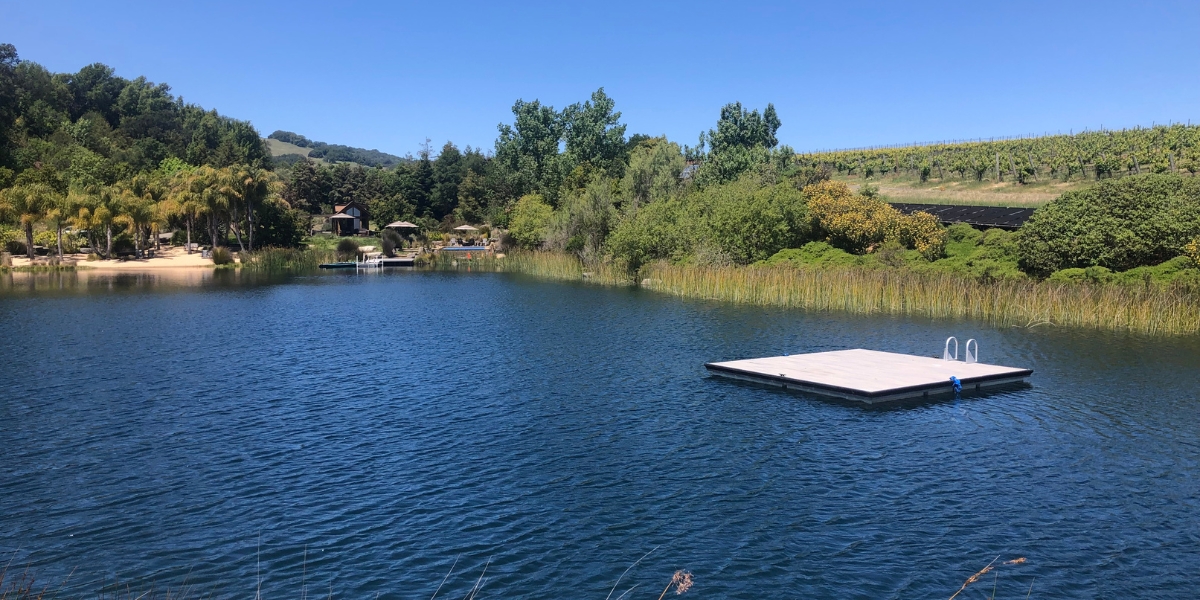
Why an AccuDock Swim Platform is the Ultimate Summer Upgrade
Summer is better when your waterfront is easy to use. Whether you own a lake house, manage a camp, operate a marina, or maintain a public recreation area, a swim dock platform can turn open water into a more comfortable, useful, and inviting space. Instead of only having a shoreline or boat dock, you get a dedicated place for swimming, relaxing, launching water toys, and spending time with family, guests, or visitors.
A well-designed swim platform also solves common waterfront problems. Muddy shorelines, changing water levels, crowded docks, and limited swim access can make summer activities harder than they need to be. A floating platform gives people a stable place to enter and exit the water while keeping swimmers away from boat traffic and rough shoreline areas.
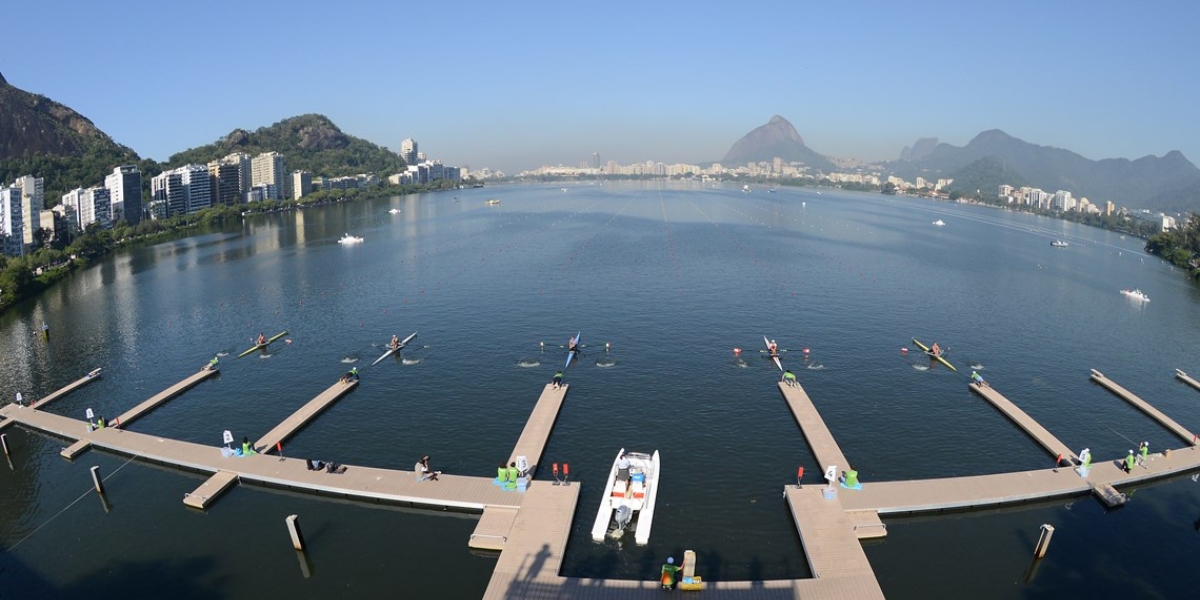
AccuDock designs and manufactures floating dock systems for residential, commercial, government, marina, rowing, kayaking, and recreation use. For summer waterfront upgrades, their floating swim dock platforms are especially useful because they are modular, durable, customizable, and built for real-world waterfront conditions.
What Is a Swim Dock Platform?
A swim dock platform is a floating dock system designed mainly for swimming, lounging, water access, and recreation. Unlike a standard boat dock, which is often focused on mooring or boarding vessels, a swim platform gives people a more open area to enjoy the water.
A typical swim dock platform can be used for:
- Swimming and climbing in and out of the water
- Sunbathing or relaxing on the water
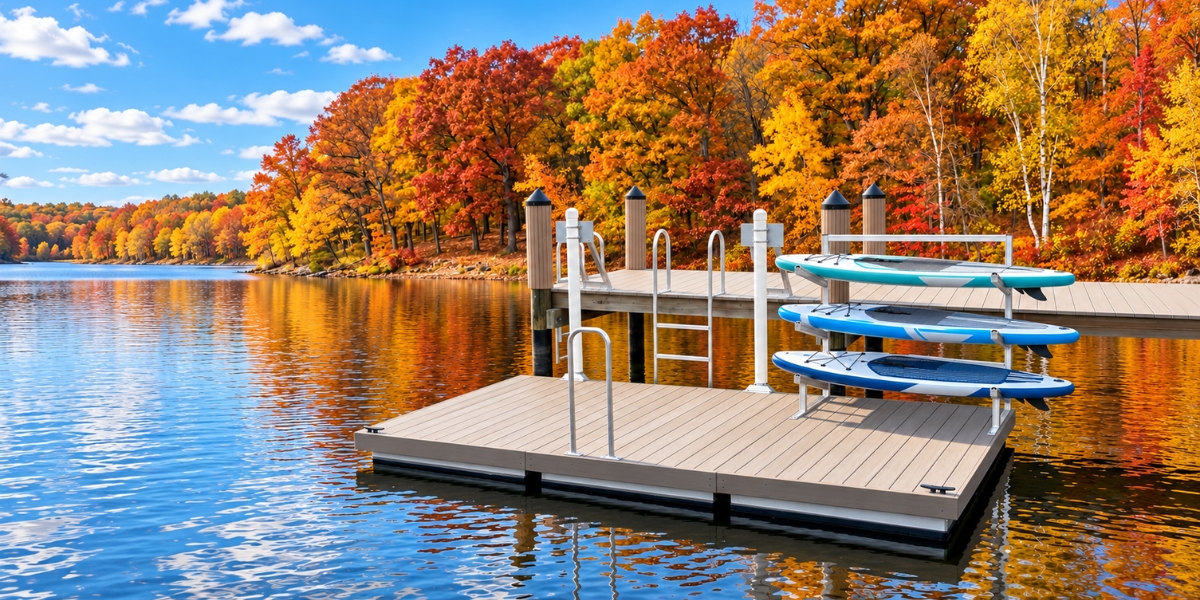
- Launching paddleboards, kayaks, or inflatables
- Creating a safer swim zone away from boat slips
- Adding usable space to a lakefront or waterfront property
- Supporting camps, parks, resorts, and community recreation areas
Because AccuDock systems are modular, the platform can be designed around the property, the water depth, and the way people plan to use it. A homeowner may want a small platform for family swimming, while a camp or park may need a larger layout for groups.
If you are still comparing dock styles, our guide to different types of floating docks is a helpful place to start.
Why a Swim Dock Platform Is Such a Smart Summer Upgrade
A swim dock platform adds value because it improves how people use the water every day. It is not just an accessory. It can become the center of summer activity.
It Creates a Dedicated Swim Area
Without a swim platform, people often enter the water from shore, a seawall, or a boat dock. That can be uncomfortable or unsafe depending on the property. Rocks, weeds, mud, waves, and boat traffic can all make swimming less enjoyable.
A floating platform creates a clear place for swimming. It gives people a stable surface to stand, sit, jump, or climb from. For families, that can make supervision easier. For camps and parks, it can help organize group water activities.
For public and group settings, safety planning matters. The American Red Cross water safety resources recommend careful supervision, safe swim areas, and awareness around natural water.
It Gives You More Room to Enjoy the Water
A dock can feel crowded fast, especially when people are swimming, launching kayaks, storing gear, or tying up boats. A separate swim platform gives everyone more space.
You can use it for lounge chairs, towels, coolers, dock games, or quiet time away from the shoreline. For homeowners who host guests, that extra space can make summer gatherings feel more relaxed.
We also offer leisure dock systems for waterfront owners who want more than a basic dock layout.
It Works Well with Changing Water Levels
One of the biggest benefits of floating systems is that they rise and fall with the water. This matters on lakes, rivers, ponds, and coastal properties where water levels change throughout the season.
A fixed dock stays at one height. If the water drops, the dock may sit too high. If the water rises, the dock may become harder to use. A floating swim dock platform moves with the water, which helps keep access more consistent.
We explain this in more detail in our article on how floating docks work.
Why a Swim Platform for Lake Properties Makes Sense
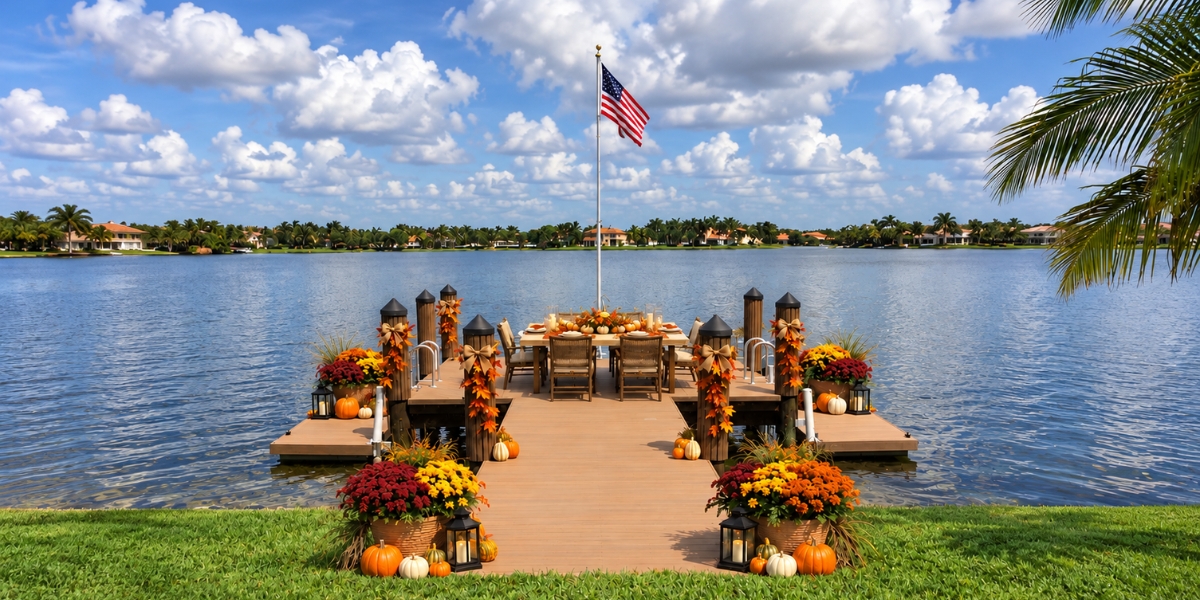
A swim platform for lake use is one of the most practical upgrades for lakefront homeowners, camps, and recreation areas. Lakes are often used for swimming, paddleboarding, kayaking, fishing, and relaxing. A floating platform supports all of those activities in one place.
For lake homes, the platform can create a private swim area away from the shoreline. For camps and parks, it can help separate swimmers from boaters or paddlers. For resorts, it can add a guest-friendly feature that makes the waterfront more useful.
A swim platform for lake properties can also help avoid common shoreline issues like weeds, soft lake bottoms, and uneven entry points. Instead of walking through muck or stepping over rocks, swimmers can enter the water from a stable surface.
If you are planning a lake-specific dock project, our post on floating dock systems for lakes covers helpful design considerations.
Swim Dock Platform vs. Traditional Dock
A traditional dock and a swim dock platform can both be useful, but they are not always built for the same purpose.
| Feature | Traditional Dock | Swim Dock Platform |
| Main purpose | Boat access and docking | Swimming, lounging, and recreation |
| Layout | Often narrow or linear | Usually open and spacious |
| Best use | Boarding boats | Enjoying the water |
| Swim access | May be limited | Designed for easy water access |
| Customization | Varies by system | Strong fit for modular layouts |
Many waterfront owners choose to use both. A boat dock can serve vessels, while the swim platform gives people a dedicated place to play and relax. This setup keeps swimmers and boats better separated, which is often a smarter design.
For residential planning, our article on residential floating dock designs offers more ideas.
Key Features to Look for in a Swim Dock Platform
Choosing the right platform starts with understanding how it will be used. A small family platform has different needs than a summer camp swim area or a resort waterfront.
Stability
Stability is one of the most important features. A platform should feel steady underfoot, even when people walk, sit, or climb out of the water.
A stable dock is especially important for kids, older adults, and group settings. It also makes the platform more comfortable for paddleboard and kayak launches.
You can learn more about this topic in our guide to floating dock stability.
Durable Materials
Water, sun, moisture, and daily use can wear down low-quality materials. A swim dock platform should be built with materials made for marine environments.
Look for docks that offer:
- Long-lasting flotation
- Slip-resistant decking
- Corrosion-resistant hardware
- UV-resistant materials
- Strong connections between dock sections
AccuDock has a variety of dock decking options so property owners can choose materials that fit their use, budget, and location.
Easy Entry and Exit
A swim platform should make getting in and out of the water easier. Depending on the site, that may include a ladder, railing, gangway, ramp, or low-profile access point.
For properties that need shoreline access, AccuDock’s aluminum gangways and ramps can help connect land to floating dock systems.
Custom Layout Options
Every waterfront is different. Water depth, shoreline shape, wave action, and user needs all affect the best layout.
A modular swim dock platform can be designed in different shapes and sizes. Some owners may want a square platform for lounging. Others may want a longer layout for swim lanes, camps, or group activities.
For larger planning ideas, our guide to dock layout ideas for homes and marinas is a strong supporting resource.
How Homeowners Use a Swim Dock Platform
For residential waterfront owners, a swim dock platform can make everyday lake life more enjoyable.
Family Swimming
Families often use the platform as a main swim zone. Kids can jump in, climb out, rest, and repeat. Adults can sit nearby, watch swimmers, or join in. A dedicated swim area also helps keep swimming separate from boat docking. That can make the property feel more organized.
Entertaining Guests
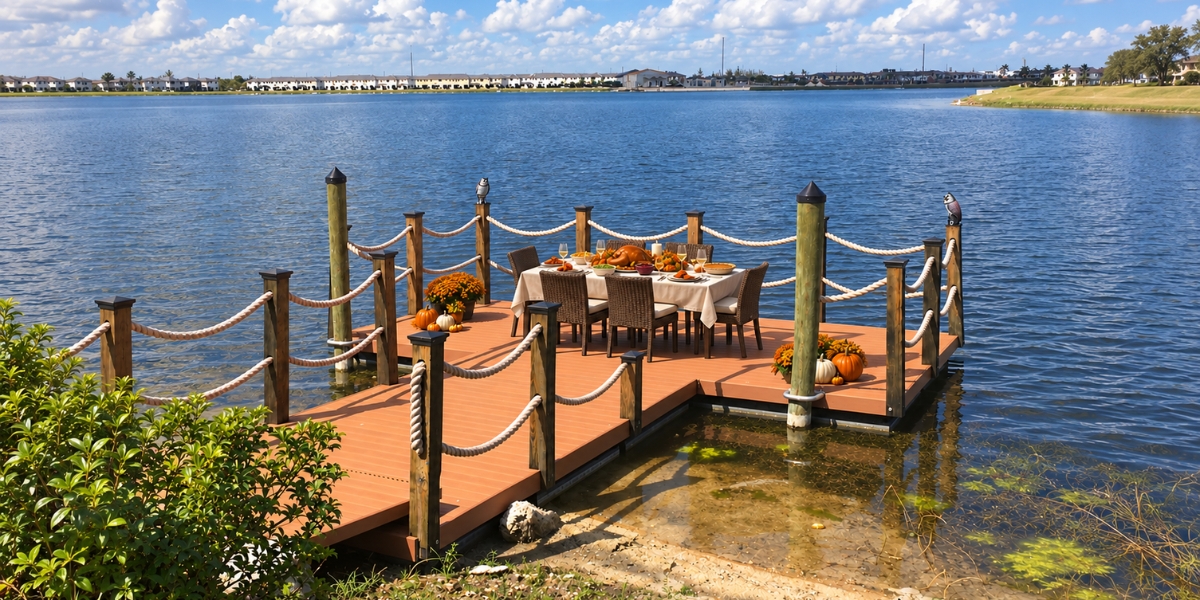
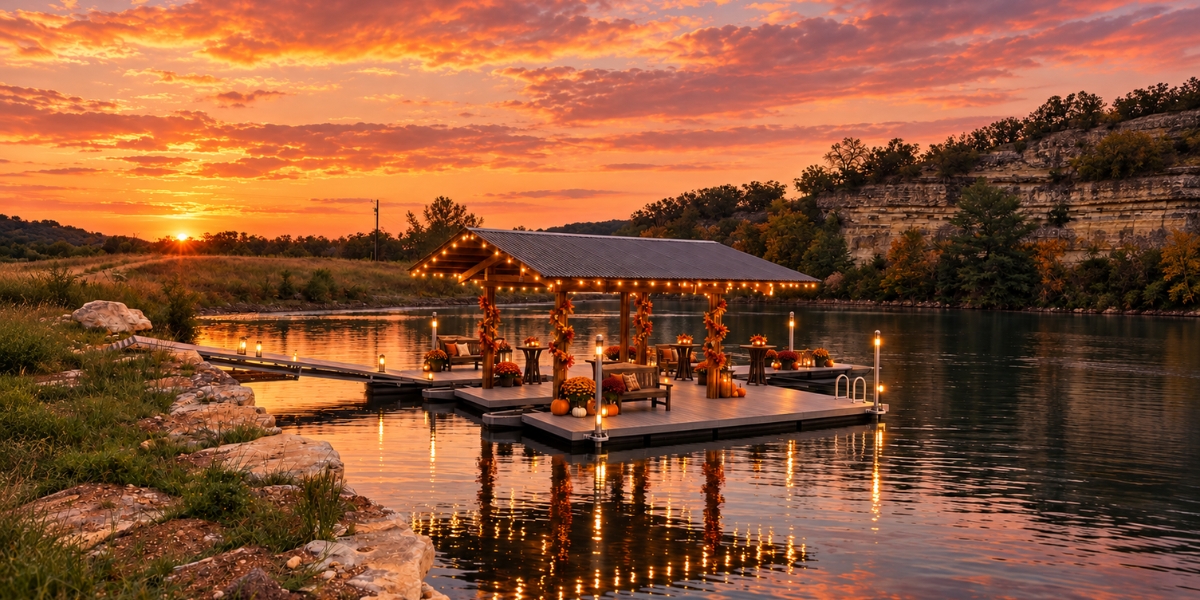
A floating platform can serve as a relaxed gathering spot. Guests can sit on the dock, enjoy the view, or cool off in the water. It pairs well with dock furniture, umbrellas, storage boxes, and lighting. Our blog on top dock accessories can help homeowners think through useful add-ons.
Paddle Sports
A swim platform can also support paddleboards and kayaks. The stable surface makes launching easier than entering from a steep bank or rocky shoreline. For people who want a more paddle-focused setup, AccuDock’s kayak and paddle sport docks may be a good fit alongside a swim platform.
How Camps, Parks, and Resorts Use Swim Platforms
A swim dock platform is not only for homeowners. Camps, parks, resorts, and community waterfronts can also benefit from floating swim areas.
Camps
Summer camps often need safe, organized water access for groups. A floating platform can give campers a clear swim zone, a place to rest, and a launch point for water activities. We have a dedicated page for summer camp floating docks that shows how these systems can support camp waterfronts.
Parks
Public parks need docks that can handle frequent use. A floating swim platform can help organize swimming areas and improve waterfront access. For parks with accessibility goals, we offer ADA compliant kayak and canoe launch docks.
Resorts and Marinas
Resorts and marinas often want amenities that improve the guest experience. A floating swim area gives visitors another reason to enjoy the property. For commercial waterfronts, our marina floating dock systems can support larger dock planning needs.
Safety Considerations for Swim Dock Platforms
A swim dock platform should be fun, but safety should always guide the design and rules. According to the Centers for Disease Control and Prevention, drowning prevention includes supervision, life jackets when needed, swim skills, and safer water environments.
Here are practical safety tips:
- Keep swimmers away from boat traffic
- Add ladders or easy exit points
- Use slip-resistant decking
- Check water depth before jumping
- Keep rescue equipment nearby
- Set clear rules for kids and guests
- Inspect anchors, connections, and hardware
- Avoid swimming during storms or poor visibility
We offer helpful guidance on dock safety equipment, which can support safer waterfront planning.
How to Choose the Right Swim Platform for Lake Use
Choosing a swim platform for lake settings starts with a few basic questions.
Who Will Use It?
A family of four may need a smaller platform than a camp with dozens of swimmers. Think about the number of users, their ages, and the types of activities you want to support.
Where Will It Be Installed?
Site conditions matter. Consider:
- Water depth
- Bottom conditions
- Wind and wave exposure
- Distance from shore
- Boat traffic
- Local rules or permits
Some properties need a platform close to shore. Others work better with a deeper-water setup.
What Activities Matter Most?
A swim platform for lake homes may be used for swimming, sunbathing, and paddleboarding. A camp or park may need more open space and stronger access planning.
Write down your main uses before choosing a size or layout. That makes design decisions much easier.
Maintenance Tips for a Swim Dock Platform
One major benefit of a floating swim dock is that it can be easier to maintain than many traditional dock systems. Still, every dock needs regular care.
Basic maintenance should include:
- Rinsing or cleaning the surface as needed
- Checking for loose hardware
- Inspecting connections after storms
- Looking for wear on ladders or accessories
- Reviewing anchors and attachment points
- Preparing for winter in cold climates
If your dock will face ice or freezing conditions, review our article on whether floating docks can stay in ice. For seasonal upkeep, our guide on how to winterize a floating dock is also useful.
Is a Swim Dock Platform Worth It?
For many waterfront owners, the answer is yes. A swim dock platform can make the water easier to access, more comfortable to use, and more enjoyable during the summer.
It can also help organize your waterfront. Instead of asking one dock to handle boats, swimmers, paddleboards, and guests, a swim platform gives recreation its own dedicated space.
The value is not only financial. It is also practical. You get more usable space, better water access, and a more inviting place to spend time outside.
Our article on how much value a dock can add to a home offers more insight for homeowners thinking about long-term property benefits.
Frequently Asked Questions About Swim Dock Platform Options
What is the best size for a swim dock platform?
The best size depends on how many people will use it and what activities you want to support. A smaller family platform may work well for casual swimming, while camps, parks, or resorts may need a larger layout. Modular systems make it easier to design a platform around your needs.
Can a swim platform for lake use stay in the water all year?
In many areas, yes. However, cold climates, ice, storms, and local conditions can affect whether a swim platform for lake use should stay in the water year-round. Always consider water movement, freezing conditions, and manufacturer guidance before deciding.
Is a swim dock platform safe for kids?
A swim dock platform can be safe for kids when it is designed and used properly. Important features include stable flotation, slip-resistant decking, ladders, clear swim rules, and adult supervision. Families should also keep life jackets and rescue equipment nearby.
Can I connect a swim dock platform to my current dock?
In many cases, yes. Modular floating systems can often connect to existing dock layouts, depending on the structure, attachment method, and water conditions. A custom design can help separate swimming from boat traffic while keeping the platform easy to reach.
What is the difference between a swim raft and a swim dock platform?
A swim raft is usually simpler and may offer limited stability, anchoring, and customization. A swim dock platform is often stronger, more stable, and better suited for long-term use. It can also connect with gangways, ladders, and larger dock systems.
How much maintenance does a swim dock platform need?
Maintenance depends on the materials, location, and use level. Most owners should clean the surface, inspect hardware, check connections, and review the anchoring system. Compared to many wood docks, high-quality floating platforms can be easier to care for.
Who should consider a swim platform for lake properties?
A swim platform for lake properties is a good fit for homeowners, camps, parks, resorts, and waterfront communities that want better swimming access. It is especially useful where shorelines are muddy, rocky, steep, or hard to use.
Ready to Upgrade Your Summer with a Swim Dock Platform?
A swim dock platform can turn an ordinary waterfront into a more useful, comfortable, and enjoyable summer space. It gives swimmers a dedicated place to enter the water, helps organize recreation, and adds flexible space for relaxing, paddling, and spending time outdoors.
For lakefront owners, camps, parks, marinas, and commercial waterfronts, a swim platform for lake use can be one of the most practical upgrades available. The right platform can support years of summer memories while giving your property a cleaner, safer, and more functional waterfront layout.
To start planning a custom setup for your property, explore our floating swim dock platform solutions and connect with our team about the best layout for your waterfront.
AccuDock is a global leader in the design and manufacturing of Floating Docks
CALL 954.785.7557 OR EMAIL [email protected] FOR MORE INFORMATION


