

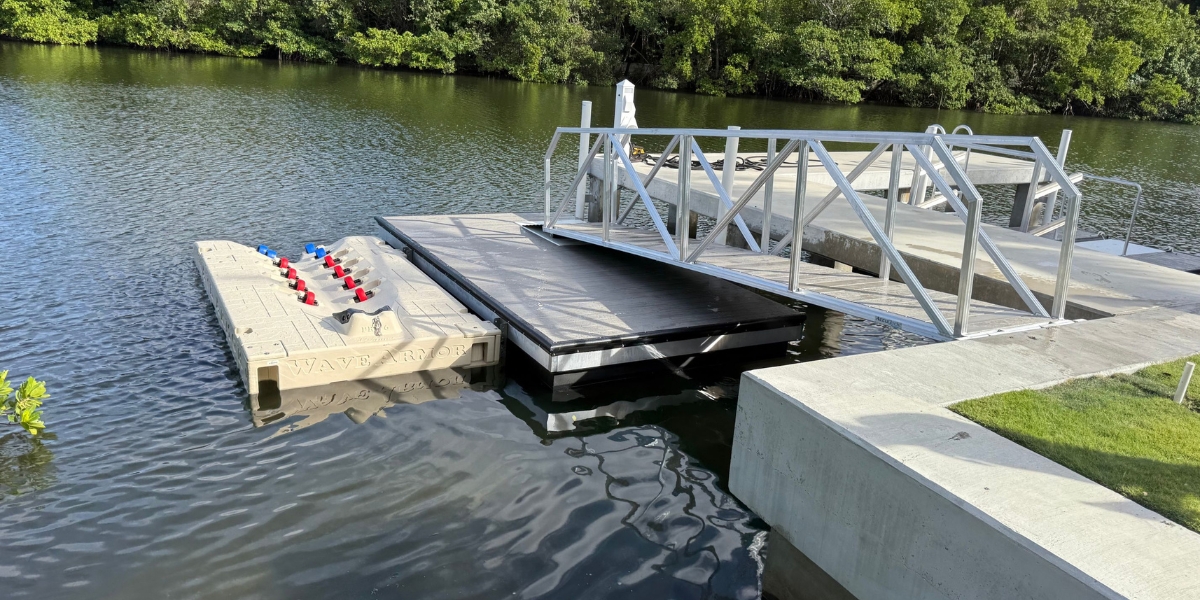
Upgrading Your Summer: How to Choose the Right Floating Dock for Lake Living
Summer feels different when you live by the water. A quiet morning can start with coffee by the shoreline. An ordinary afternoon can turn into a swim, paddle, boat ride, or sunset dinner outside. If you want to make those moments easier and more enjoyable, choosing the right floating dock for lake use is one of the smartest upgrades you can make.
Your dock is more than a place to tie up a boat. It becomes the main access point between your home and the water. It supports your hobbies, your family time, your safety, and your overall lakefront lifestyle.
But choosing a dock can feel confusing at first. There are different materials, layouts, anchoring options, heights, accessories, and design choices to compare. Some docks are better for boats. Others are better for swimming, kayaking, fishing, or entertaining.
This guide will help you understand what matters most before you buy. You’ll learn how to match your dock to your property, your water conditions, and the way you actually plan to use your lakefront space.
Why the Right Dock Can Change Your Whole Waterfront Experience
A well-planned dock makes lake access simple. A poorly planned dock can make every activity harder than it needs to be.
Picture your perfect summer on the water. What does it look like? You might find a dock essential for:
- Boarding and docking a boat
- Launching a kayak or paddleboard
- Swimming with family
- Fishing in the morning or evening
- Sitting by the water
- Hosting guests
- Storing gear close to the shoreline
The National Park Service boating resource center shares helpful boating information for recreational water users, which is one reason safe and easy water access matters for homeowners.
A dock that fits your lifestyle can help reduce frustration, improve safety, and make your property feel more complete. For homeowners comparing dock options, AccuDock’s floating boat docks are a strong place to start because they are designed for reliable waterfront access.
Floating Dock for Lake Use: Why It Works So Well
A floating dock for lake properties is designed to rise and fall with the water. Instead of staying at one fixed height, the dock adjusts as water levels change.
That matters because lakes are not always still or consistent. Water levels may shift due to rainfall, drought, dam management, seasonal changes, or boat traffic. The U.S. Geological Survey explains lake level changes and why water levels can vary over time.
A floating dock helps keep access more consistent. This can make it easier to board a boat, step onto the dock, launch a kayak, or climb out of the water after swimming.
Floating Dock vs. Fixed Dock
A fixed dock is built on pilings or posts and stays at one height. That can work well in some locations, but it may create problems when lake levels rise or fall.
A floating dock moves with the water, which often makes it more practical for residential lakefront properties.
If you are still comparing both options, this guide on floating dock vs. fixed dock can help you understand the main differences.
Match Your Dock to Your Lakefront Lifestyle
Your lakefront lifestyle should guide your dock design. Before choosing a layout, think about how you spend time on the water now and how you want to use the space in the future.
A family that spends most weekends boating will need a different setup than someone who wants a quiet swim platform or fishing spot. A homeowner who hosts summer gatherings may need more deck space, while a paddler may care most about easy kayak entry.
If You Own a Boat
Boat owners need a dock that makes boarding, loading, and docking easier. Look for a layout with enough space to move around safely. You may also want cleats, bumpers, and a stable walking surface.
For residential boating needs, custom boat dock systems can be designed around the size of your boat, your shoreline, and your access needs.
If You Love Swimming
If your summer plans include swimming, your dock should offer safe water entry and exit. A ladder, stable platform, and slip-resistant surface can make a big difference.
Some homeowners add a separate swim platform to create more space away from boat traffic. Our guide to swim platforms for lakes explains how these systems can support recreation, relaxation, and safer water access.
If You Kayak or Paddleboard
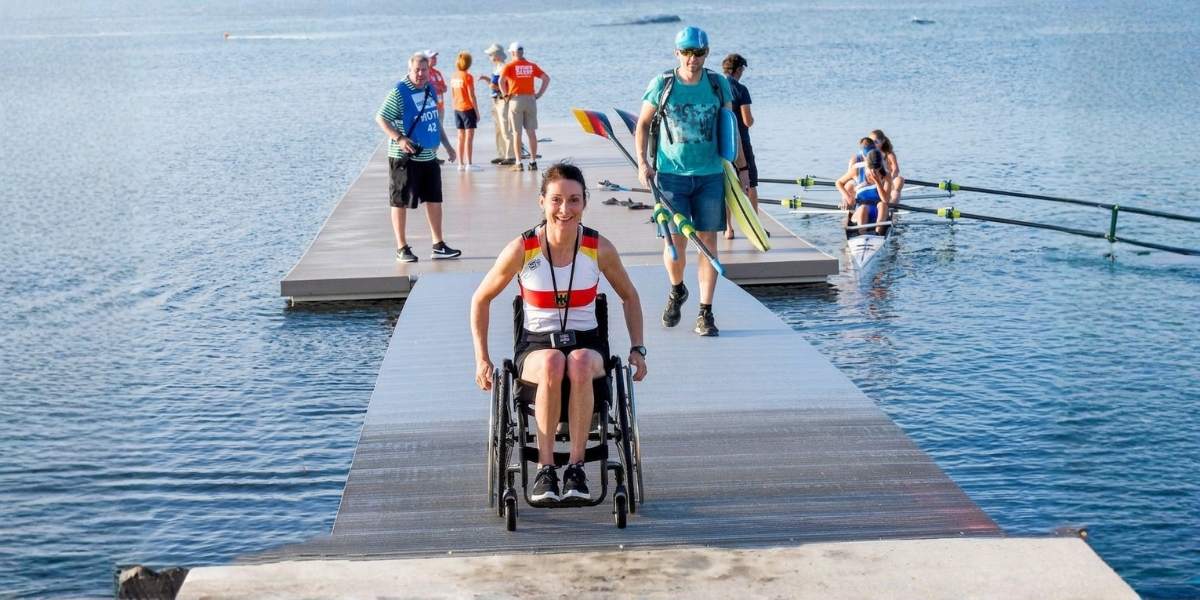
Kayaks, canoes, and paddleboards are easier to launch from a lower, more stable dock. A high dock can make it awkward to get in and out of small watercraft. AccuDock offers kayak and paddle sport dock systems that are designed to make launches easier and more comfortable for paddlers.
If You Entertain by the Water
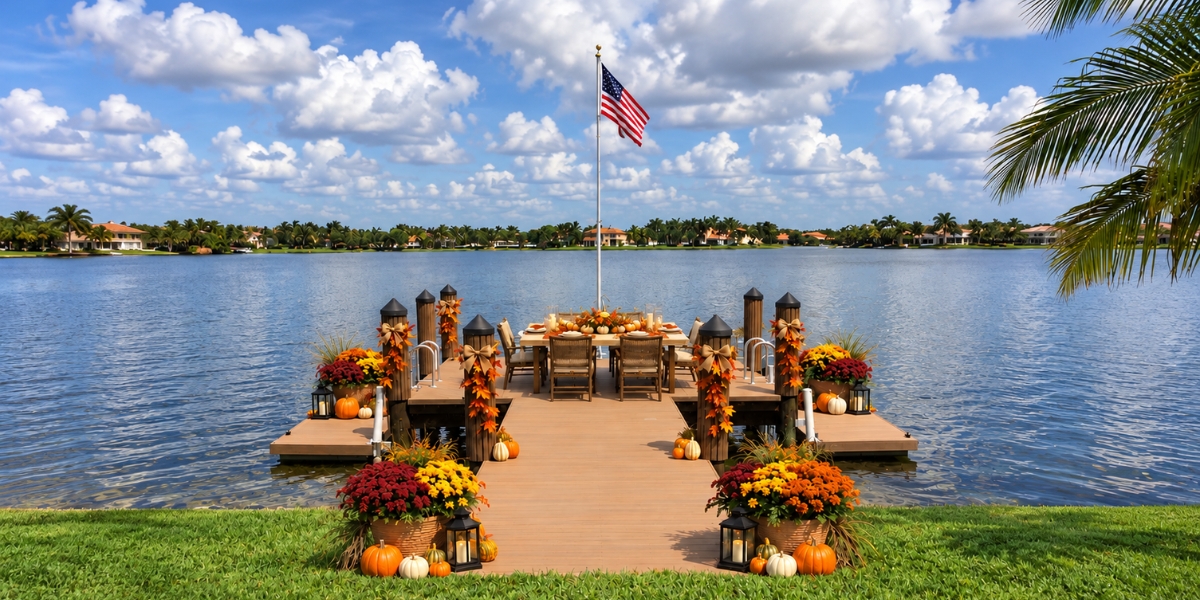
Some homeowners want their dock to feel like an outdoor room. If your lakefront lifestyle includes guests, meals outside, dock chairs, or sunset gatherings, think beyond basic boat access. For homeowners who want a more social waterfront space, floating gazebo and patio docks can help turn the dock into a comfortable place to gather.
Choose Materials That Fit Your Property and Climate
Dock materials affect comfort, maintenance, durability, and long-term value. The right choice depends on your climate, water conditions, and how much maintenance you want to handle.
Homeowners comparing material options can review our aluminum floating dock systems to see how aluminum can support long-term waterfront use.
Decking matters because it is the surface you walk on every day. This guide to PVC decking material explains why many dock owners prefer it for floating dock systems.
Think About Dock Size Before You Buy
Dock size is one of the biggest decisions you’ll make. A dock that is too small may feel crowded right away. A dock that is too large may cost more than needed.
Start with your main use cases. Then think ahead.
Ask yourself:
- How many people will use the dock at once?
- Do you need space for one boat or more than one?
- Will people swim from the dock?
- Do you need room for kayaks or paddleboards?
- Will you add seating or storage?
- Do you plan to expand later?
A small platform may work for basic lake access, but a larger modular design may better support boating, swimming, and relaxing. Our guide on choosing the right dock size can help you think through width, length, layout, and use.
Stability Should Be a Top Priority
A dock should feel steady under your feet. If it rocks too much, shifts often, or feels unstable, people may avoid using it. Stability depends on float placement, dock width, frame design, anchoring method, weight distribution, and water conditions.
A stable floating dock for lake use should match the conditions of the shoreline and the activities planned for the dock. Our article on why floating docks feel stable explains the design factors that help a dock feel secure.
Do Not Overlook Anchoring
Anchoring keeps your dock in place. It is one of the most important parts of dock design, but it is easy to overlook. The right anchoring method depends on water depth, bottom conditions, wind exposure, boat traffic, seasonal water changes, and shoreline layout.
This guide on dock anchors for lakes, rivers, and coasts offers a helpful overview of common anchoring options.
Consider Modular Design for Long-Term Flexibility
A modular dock system gives you more room to adjust over time. That is helpful because waterfront needs often change.
Maybe you start with a simple dock for swimming. A few years later, you buy a boat. Then your family gets into paddleboarding. Later, you want more space for guests.
For many homeowners, this makes a modular floating dock for lake property use a practical long-term choice. AccuDock’s floating dock packages can help homeowners start with a layout that fits current needs while leaving room for future upgrades.
Plan for Safety From the Beginning
Safety should be part of the dock design from day one. A safe dock is easier for children, guests, older adults, and new boaters to use.
The U.S. Coast Guard Boating Safety Division provides boating safety resources that can help waterfront owners think about safer water access and boating habits.
If you plan to use your dock often at night, lighting is worth adding. This guide to dock lighting ideas offers practical ways to improve visibility and comfort.
Think About Maintenance Before Installation
Every dock needs some level of care. The goal is to choose a system that keeps maintenance manageable. A maintenance-friendly dock can save time each season. AccuDock’s general dock maintenance guide explains the basic care steps that help keep floating docks in better condition.
If you live in an area with freezing winters, seasonal planning matters too. This article on how to winterize a floating dock can help you understand what to consider before cold weather arrives.
Accessories Can Make the Dock More Useful
The right accessories can turn a basic dock into a more useful waterfront space. You do not need every add-on, but a few smart choices can make daily use easier.
Common dock accessories include:
- Ladders for swimming
- Cleats for boat tie-offs
- Bumpers for boat protection
- Storage boxes
- Kayak racks
- Paddleboard racks
- Lighting
- Benches
- Safety rails
If you use kayaks or paddleboards often, storage can help keep gear organized and reduce clutter. Our guide on kayak storage on floating docks shares ideas for keeping paddle gear close to the water.
For broader upgrade ideas, this article on top dock accessories can help you decide what is worth adding.
Frequently Asked Questions About Floating Dock for Lake
What is the best floating dock for lake homes?
The best floating dock for lake homes depends on your shoreline, water depth, activities, and long-term plans. Many homeowners choose modular aluminum floating docks because they are durable, flexible, and easier to expand over time.
Is a floating dock better than a fixed dock for lakefront lifestyle needs?
A floating dock often works better for an active lakefront lifestyle because it adjusts with changing water levels. That can make boating, swimming, paddling, and everyday access more comfortable throughout the season.
How much does a floating dock for lake use cost?
The cost of a floating dock for lake use depends on size, materials, layout, anchoring, accessories, and customization. A simple platform will usually cost less than a larger dock with boat access, swim areas, storage, lighting, or patio features.
Can a floating dock stay in the water year-round?
In many areas, a floating dock can stay in the water year-round, but it depends on weather, ice, water movement, and local conditions. This article on whether floating docks can stay in year-round explains what to consider.
How long does a floating dock last?
A well-built floating dock can last for many years with the right materials and regular care. Longevity depends on frame quality, float construction, decking, water conditions, and maintenance. This guide on how long floating docks last explains the main factors.
Can I add to my dock later?
Yes! Many modular floating dock systems can be expanded later. This is helpful if your family grows, you buy a new boat, add paddle sports, or want more space for relaxing by the water.
Upgrade Your Lakefront Lifestyle With the Right Floating Dock for Lake Living
Choosing the right floating dock for lake living starts with one simple question: how do you want to use your waterfront?
Your answer should guide everything else, including size, layout, materials, anchoring, accessories, and future expansion. A dock for boating may look different from a dock for swimming. A dock for quiet weekends may look different from one built for family gatherings.
The right system should make your water access easier, safer, and more enjoyable. It should fit your shoreline, support your activities, and grow with your needs over time.
If you are ready to improve your waterfront this summer, explore our floating dock systems or contact the AccuDock team to discuss the best dock layout for your property.


AccuDock is a global leader in the design and manufacturing of Floating Docks
CALL 954.785.7557 OR EMAIL [email protected] FOR MORE INFORMATION


