

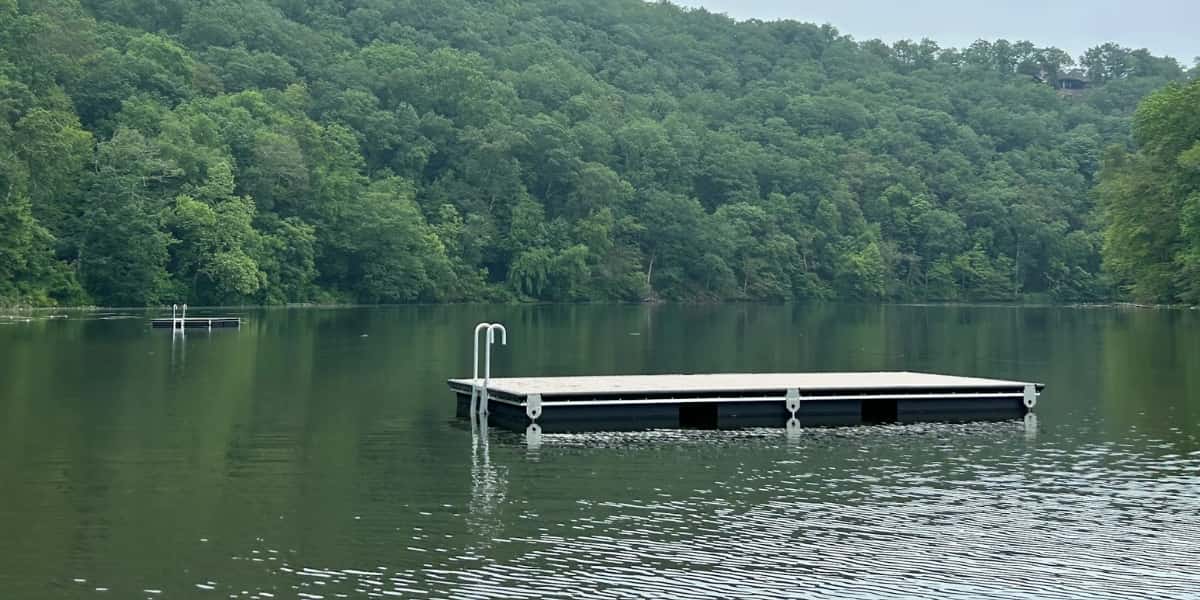
Dock Anchors Explained for Lakes, Rivers, and Coastal Areas
If you’re shopping for a floating dock, it’s easy to focus on the deck surface, the frame, or the flotation. But one of the most important parts is what keeps the dock from drifting away: dock anchors.
The right anchoring setup makes a dock feel solid, stay lined up, and handle real conditions like wind, waves, boat wakes, and changing water levels. In this blog, we’ll break down dock anchors and how dock mooring systems work in a simple, easy-to-understand way so you can make a confident choice.
Why Dock Anchors Matter So Much
When people hear the words dock anchors, they often picture a heavy weight on the bottom of the water and assume that’s the whole story. But in real life, dock anchors do a lot more than just “hold the dock.”
Think of anchors as the dock’s stability system. They control how the dock moves, how it feels under your feet, and how well it holds up over time especially when the weather changes or water levels rise and fall.
Here’s what dock anchors really do for your dock (and why it matters).
1. They Keep Your Dock in the Right Place (So It Doesn’t Drift)
A floating dock is always trying to move. Wind pushes it. Waves tug it. Boat wakes bump it. Currents pull it. Even normal foot traffic can create a little motion.
Dock anchors keep the dock positioned where it belongs, so you don’t end up with:
- A dock that slowly drifts away from your shoreline connection
- Gaps that open up between dock sections
- A walkway that doesn’t line up correctly
- A dock that swings or turns when someone steps on one side
Even “calm” water can cause gradual drifting over weeks and months if anchoring is undersized.
Good anchoring prevents the slow creep that turns into a big problem later.
2. They Make the Dock Feel Stable and Solid Underfoot
A dock can be built with a strong frame and good flotation and still feel wobbly if the anchoring is wrong.
That “unstable” feeling often comes from movement that anchors are supposed to control, like:
- Side-to-side sway (lateral movement)
- Rotation (the dock slowly turning like a clock hand)
- Excess bouncing when people walk or when wakes roll through
Dock anchors reduce that unwanted motion so the dock feels more like a stable platform instead of a floating raft.
This matters even more for:
- Marinas with steady foot traffic
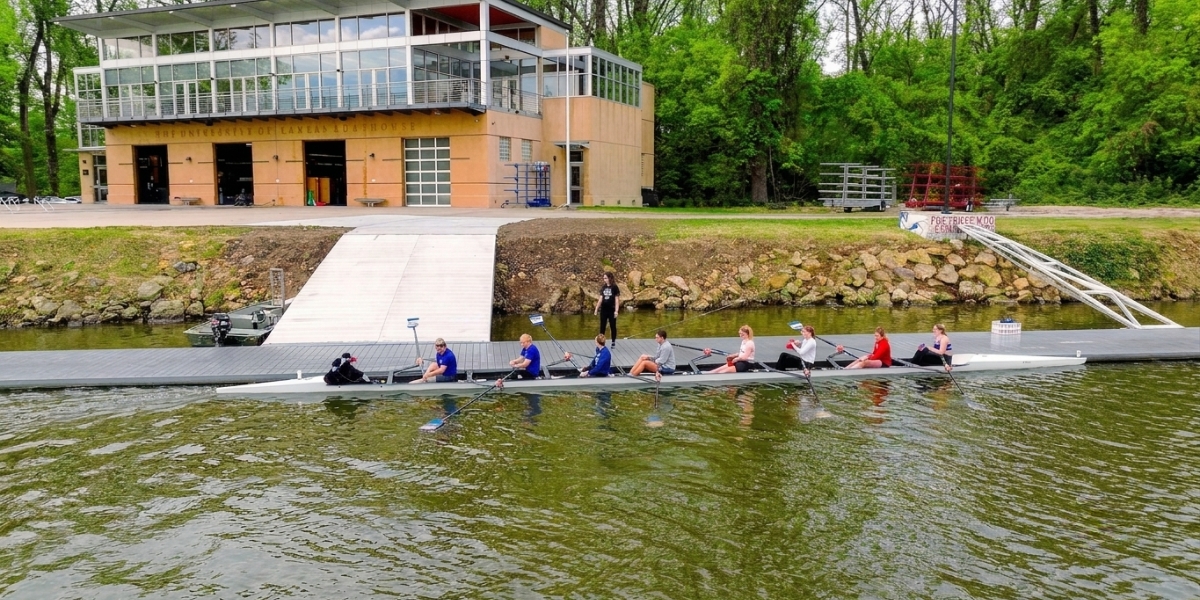
- Rowing and kayaking docks where athletes need firm footing
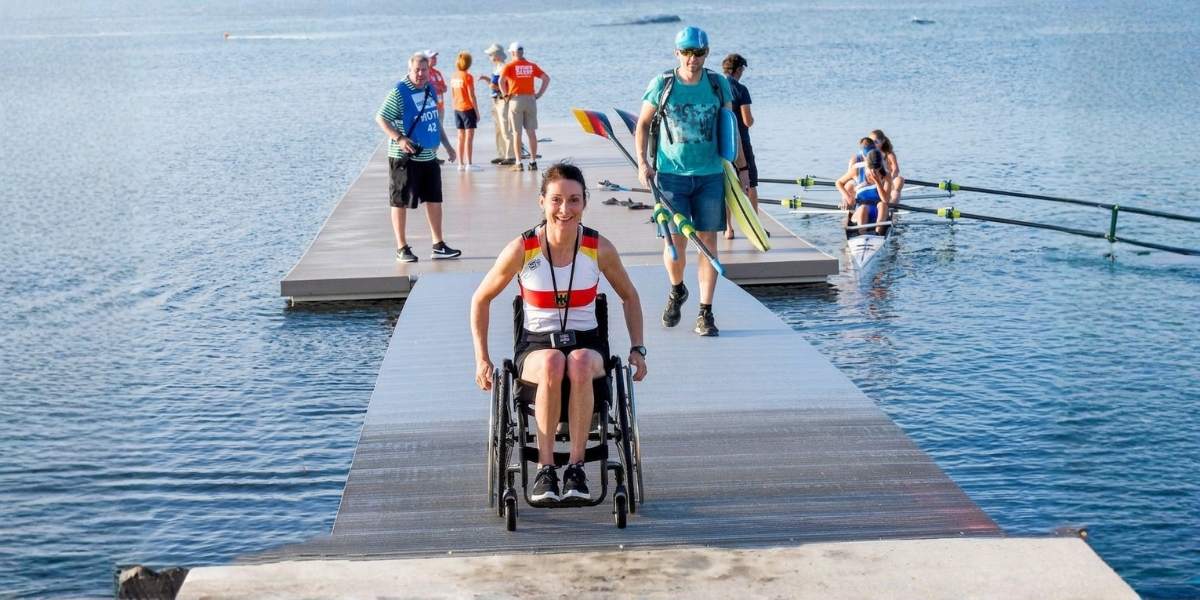
- ADA accessible docks where stability affects safety and confidence
- Work platforms where equipment is moved on and off the dock
3. They Let the Dock Move Up and Down Safely When Water Levels Change
Floating docks are designed to rise and fall with the water. That’s a good thing.
But without the right dock anchors (or a proper mooring setup), that up-and-down movement can turn into:
- A dock that gets stuck at a weird angle
- A gangway that becomes too steep
- Hardware that binds or pulls loose
- Sections that strain against each other during high water
Anchoring should guide vertical movement, not fight it. The best setups allow the dock to float naturally while keeping it aligned and controlled.
This is especially important in places with:
- Seasonal lake level changes
- Rivers that rise quickly after storms
- Coastal areas with tides and storm surge
4. They Prevent Twisting and Pulling That Can Damage the Dock
Here’s a simple truth: when a dock moves in ways it shouldn’t, the stress goes somewhere.
Usually, it goes into:
- Dock connections (where sections join together)
- Hinges and brackets
- The frame (especially at corners and attachment points)
- The shoreline connection or gangway
Over time, that stress can cause:
- Loose or noisy connections
- Bent hardware
- Premature wear on pins, hinges, or brackets
- Frame misalignment that makes the whole dock feel “off”
Strong dock anchors reduce those twisting forces, so your dock system stays tighter, straighter, and more reliable long-term.
5. They Help Your Dock Last Longer (With Fewer Repairs)
A dock that constantly shifts, yaws, or slams in wake action is basically being “worked” all the time like bending a paperclip back and forth until it snaps.
With good docking support from proper dock anchors, you typically get:
- Fewer connection issues
- Less wear on hardware
- Better alignment over time
- Lower maintenance costs
- Longer replacement cycles
So even if a stronger anchoring setup costs more upfront, it can save money later by reducing repairs and extending the dock’s usable life.
What Happens When Dock Anchors Are Done the Wrong Way?
When anchoring is not properly planned, the dock may:
- Drift out of position
- Rock more than expected
- Twist during storms or wakes
- Pull against the shoreline connection
- Feel unstable (even if it’s “technically” anchored)
The problems often show up later after a storm, after a season of use, or after water levels change. That’s why it’s smart to plan anchoring first not last.
Dock anchors are one of the biggest factors in how your dock feels, how it performs, and how long it lasts. If you want a dock that stays lined up, feels solid, and holds up through changing conditions, anchoring is not an afterthought it’s the foundation.
How Dock Mooring Systems Work
If you’re shopping for a floating dock, it helps to understand one key thing: a floating dock is supposed to move. It needs to rise and fall with the water, shift slightly with wind and waves, and still feel stable when people walk on it.
That’s exactly what dock mooring systems are designed to do.
A dock mooring system is the full setup that secures a floating dock in place while still letting it move in a controlled, safe way. Think of it like a “seatbelt system” for your doc it doesn’t lock everything stiff, but it keeps the dock from drifting, twisting, or pulling apart.
What Are Dock Mooring Systems?
Dock mooring systems are the complete set of parts and connections used to hold a floating dock in position. Depending on your site, a mooring system can include:
- Anchors (like deadweights or screw/auger anchors)
- Piles (vertical posts the dock slides up and down on)
- Chains, cables, or rods (the lines that connect dock-to-anchor or dock-to-shore)
- Brackets and connection hardware (hinges, shackles, cleats, collars, guide brackets)
- Shore connections (gangways, shore ramps, hinge plates, or connection arms)
Understanding the distinction between mooring vs docking helps clarify why proper mooring systems are essential for keeping floating docks secure and stable.
The goal is simple:
The dock must rise and fall with changing water levels while staying controlled and aligned.
That’s why the best systems offer what many engineers call controlled movement not too loose, not too rigid.
“Controlled Movement” (What That Really Means)
A floating dock isn’t like a concrete pier. It’s floating, so it reacts to:
- Water level changes (seasonal lake changes, river surges, tides)
- Wind pushing the dock sideways
- Waves and boat wakes lifting and dropping the dock
- Currents pulling the dock downstream
- People and gear shifting weight around
A good mooring system allows the dock to:
- Move up and down freely (vertical movement)
- Move a little side-to-side (small horizontal movement)
- Avoid big unwanted movement like drifting, twisting, or slamming
Too loose = problems
If the system is too loose, the dock may:
- Drift away from where it should be
- Swing like a pendulum
- Twist at connections
- Feel unstable and “wobbly”
- Stress the frame, hinges, and hardware over time
Too rigid = problems
If the system is too rigid, the dock may:
- Fight against changing water levels
- Put too much stress on the dock frame and attachments
- Crack hardware or pull out anchor points
- Bind up during tides or river surges
- Take damage during storms instead of flexing safely
Controlled movement is the “sweet spot” that protects the dock and the people using it.
The Core Parts of Dock Mooring Systems (And What Each One Does)
1. Anchors: The “Hold” Part
Anchors keep the dock from drifting away. They resist pull from wind, current, and waves.
Common anchor types include:
Deadweight anchors
- Heavy concrete or steel blocks on the bottom
- Simple, common, often used on lakes and calm water
Screw/auger anchors
- Twist into the bottom like a giant screw
- Strong holding power in firm soil
- Often used when you want a cleaner setup without large blocks
Which anchor is better?
It depends on the bottom type and conditions. Firm bottoms can be great for augers. Softer bottoms may require larger deadweights or different systems entirely. In higher-energy areas, piles or engineered anchors may be needed.
2. Piles: The “Guide Rails” for Tides, Rivers, and Heavy Use
Piles are vertical posts that the dock slides on using pile guides or collars.
This is one of the best ways to handle:
- Tides (up/down movement)
- River surges
- Strong winds and waves
- Busy marinas and public docks
The dock can move up and down, but piles limit the dock’s side-to-side movement—so it stays lined up.
Do I need piles?
Not always. Many lake docks do fine with anchors and cables. But piles are a top choice when you need maximum control and stability, especially in rivers and coastal areas.
3. Chains, Cables, or Rods: The “Connective Tissue”
These connect the dock to anchors, piles (sometimes), or shore points.
- Chains are tough and handle abrasion well
- Cables (often stainless or galvanized) can be strong and clean-looking
- Rods can provide a more rigid connection in certain designs
The key is sizing and layout. A line that’s too thin, too long, or attached at the wrong angle can create unwanted movement.
Why does my dock swing so much?
Usually it’s because the connection points or line angles are wrong, the lines are too long, or the anchors aren’t heavy/secure enough for the conditions.
4. Brackets and Connection Hardware: The “Stress Managers”
This includes all the working parts that take load and movement, like:
- Hinges
- Shackles
- Brackets
- Eye bolts
- Clevis pins
- Pile collars and guides
These are small parts, but they matter a lot. If hardware is undersized, low-quality, or not marine-grade, it can corrode, loosen, or fail—especially in coastal environments.
Does marine-grade hardware really matter?
Yes. Corrosion and metal fatigue are real issues. High-quality, properly rated hardware is one of the biggest differences between a dock that lasts and one that becomes a maintenance headache.
5. Shore Connections: The “Transition Zone”
The shore connection is where many docks feel the most movement. A mooring system often includes:
- Gangways or ramps
- Shore hinge plates
- Shore-mounted brackets
- Shore anchoring points
This is also where changing water levels can cause problems if the design is too rigid.
Why does my gangway feel unstable?
It could be:
- Not enough support under the ramp
- Too steep of an angle at low water
- Weak hinge points
- The dock itself moving too much because the anchoring isn’t strong enough
How Dock Mooring Systems Change by Environment
Lakes (usually calmer)
Most lake setups focus on controlling drift and small movement from wind and wakes.
Common systems:
- Deadweight anchors + chains
- Auger anchors + cables
- Shore anchoring + limited bottom anchoring
Best for:
- Residential docks
- Swim platforms
- Kayak and paddleboard docks
Rivers (current is the big issue)
Rivers push constantly, so the system must resist sideways pull and debris impact.
Common systems:
- Piles with dock guides
- Reinforced anchor systems with heavier connections
- Combination systems for extra stability
Best for:
- Strong currents
- Public docks
- Rowing and launch docks
- Work platforms
Coastal Areas (tides, waves, corrosion)
Coastal docks must handle up/down tidal movement plus wave energy, and all parts must resist corrosion.
Common systems:
- Pile mooring systems (very common for marinas)
- Engineered anchoring + flexible connections
- Hybrid systems based on exposure and seabed type
Best for:
- Marinas
- Public access docks
- High-traffic coastal docks
What Makes a Mooring System “Good”?
A strong dock mooring system usually has these traits:
- Tailored to specific site conditions
- Smoothly handles water level fluctuations
- Limits excessive lateral movement
- Rated for specific traffic and use-case needs
- Built with hardware designed for harsh environments
- Provides a stable, solid feel underfoot
- Allows for easy dock expansion
If you’re comparing options, a good sign is when the dock provider asks detailed questions about your site and use because that usually means they design the mooring system intentionally.
Dock Anchors for Lakes
Lakes are usually calmer than rivers or coastal areas. But even on a lake, wind and boat wakes can push a dock around especially if it’s not anchored well.
Anchoring is only one part of planning a complete lakefront setup. Our guide to floating dock systems for lakes explains how anchoring, shoreline conditions, layout, materials, and intended use work together.
Common Lake Dock Anchor Options
1. Deadweight Anchors
These are heavy concrete or steel blocks placed on the lake bottom.
Why people like them:
- Simple and affordable
- Works well in calmer water
- Good for many residential docks
Best for: Swim docks, kayak launches, smaller floating docks
2. Auger (Screw) Anchors
These twist into the lake bottom like a giant screw.
Why people like them:
- Strong holding power in firm soil
- Smaller and less bulky than big blocks
- Can work well when space is tight
Best for: Areas with firm bottom conditions
3. Shore-Anchored Systems
These connect the dock to the shoreline with cables or arms.
Why people like them:
- Can be a clean option for certain properties
- Helps control side-to-side movement
- Works well for smaller docks
Best for: Private waterfront docks in protected areas
Lake Anchoring Things to Think About
- Does the water level change a lot seasonally?
- Is the lake bottom soft mud or firmer soil?
- Do you get strong winds across open water?
- Do you deal with ice in winter?
Even on lakes, undersized dock anchors can cause slow drifting over time.
Dock Anchors for Rivers
Rivers are a different story. The biggest challenge is current. River water is always pushing—and that constant force affects how you anchor a dock.
What Makes River Dock Anchoring Harder?
- Strong or steady current pushing sideways
- Water levels changing fast after storms
- Floating debris like branches and logs
- Ice movement in colder climates
Planning a dock on a river requires specialized anchoring approaches that account for constant current pressure and rapid water level fluctuations.
Common River Dock Anchor Solutions
1. Piling-Based Systems
Piles are vertical posts driven deep into the bottom. The dock uses guides or collars that slide up and down the piles.
Why people like them:
- Great control and stability
- Dock can rise and fall with the water
- Strong option for tough conditions
Best for: Strong currents, high-traffic docks, public access docks
2. Combination Systems
Sometimes the best answer is a mix like piles plus additional anchors.
Why people like them:
- Extra stability and backup support
- Helpful for larger docks or longer layouts
Best for: Larger projects, rowing docks, work platforms
3. Heavy-Duty Chain Anchors
This uses larger anchors and strong chain connections.
Why people use them:
- Can work for seasonal setups
- Allows controlled movement without full piling installation
Best for: Temporary or limited-use docks (depending on site conditions)
Why Rivers Need Stronger Dock Anchors
River docks deal with force every day not just on windy days. That’s why river anchoring is often built heavier and engineered for higher stress.
Dock Anchors for Coastal and Tidal Areas
Coastal areas usually have the toughest conditions. You have tides, wave action, storms, and saltwater corrosion all working against you.
Common Coastal Dock Anchoring Methods
1. Pile Mooring Systems
This is one of the most common systems for marinas and public docks. The dock slides up and down along piles as tides change.
Why people like them:
- Handles big tidal changes
- Offers strong control in waves
- Reliable for heavy use
Best for: Marinas, public docks, high-traffic coastal docks
The engineering behind dock pilings is critical for handling vertical movement while maintaining lateral stability in challenging water conditions.
2. Seafloor Anchors with Flexible Connections
Some docks use anchors and connections designed to absorb wave energy.
Why people like them:
- Can reduce shock loads
- Helpful in sheltered coastal areas
Best for: Protected coves and calmer coastal conditions
3. Hybrid Anchoring Systems
Some sites need a custom mix of piles, anchors, and shore connections.
Best for: Complex shorelines, larger dock systems, mixed-use sites
Coastal Anchoring Things to Think About
- How big is the tidal range where you live?
- How exposed is the site to wind and waves?
- Is the bottom sand, mud, rock, or mixed?
- Are hurricanes or storm surge a concern?
- Are all parts corrosion-resistant and marine-grade?
Coastal anchoring should be planned for “worst days,” not just calm weather.
Your Dock’s Purpose Matters Too
Dock anchors should match not just the location but also how the dock will be used.
Residential Use
- Lighter foot traffic
- Kayaks, paddleboards, swimming
- Smaller dock layouts
Anchors often used: Deadweights, augers, shore anchoring
Commercial and Marina Use
- More traffic
- Boats docking and loading
- Carts, equipment, and heavier loads
Anchors often used: Piles and engineered mooring systems
Government and Industrial Use
- ADA access needs
- Work platforms
- Safety and long-term durability are top priorities
Anchors often used: Engineered piling systems with stronger reinforcement
This is where modular floating dock systems like the kind AccuDock manufactures can be helpful, because they can be designed to fit different sites and anchoring methods.
Common Dock Anchoring Mistakes to Avoid
A lot of dock problems come from skipping planning steps. Common mistakes include:
- Choosing dock anchors that are too small
- Not accounting for wind, waves, or current
- Using hardware that isn’t marine-grade
- Forgetting about future dock expansion
- Not planning for changing water levels
A dock can look fine on day one and still become a headache later if anchoring wasn’t done right.
Smart Questions to Ask When Comparing Dock Mooring Systems
If you’re shopping around, here are helpful questions to ask:
- What anchoring method is best for my site (lake, river, or coastal)?
- How does the dock rise and fall with water levels?
- What loads is the anchoring system designed for?
- What hardware is used, and is it corrosion-resistant?
- Can I expand the dock later without starting over?
- Is the system engineered for my conditions or “pieced together”?
These questions make it easier to compare options and avoid surprises.
Why Quality and U.S.-Made Components Matter
Anchoring is not the place to cut corners. High-quality dock anchors and hardware should be:
- Strong enough for real conditions
- Built with consistent standards
- Supported with replacement parts over time
- Designed to match the dock system
For many buyers, American-made systems ensure superior quality control and more accessible support across residential, commercial, marina, and government projects.
Dock Anchors Make or Break a Floating Dock
At the end of the day, your anchors are what keep a floating dock stable and safe. Since lakes, rivers, and coastal waters all behave differently, the right setup depends on where your dock lives and how you use it.
High-quality mooring systems protect your investment, reduce long-term maintenance, and provide a sturdier feel underfoot. Comparing your options? Contact us or visit AccuDock’s floating dock solutions page to see how our modular systems handle real-world conditions.
AccuDock is a global leader in the design and manufacturing of Floating Docks
CALL 954.785.7557 OR EMAIL [email protected] FOR MORE INFORMATION


