


Marina Dock Replacement Guide: When It’s Time to Upgrade Aging Docks
If you own or manage a marina, your docks do a lot of heavy lifting. They’re used every day, exposed to water and weather, and expected to stay safe and stable year-round. Over time, even well-built docks start to wear down. Knowing when to plan a marina dock replacement can help you avoid bigger problems, save money, and keep your marina running smoothly.
In this guide, we’ll break everything down in a simple, easy-to-understand way. You’ll learn how to spot warning signs, decide between repairs and replacement, and choose the right upgrade for your needs.
Why Marina Dock Replacement Is Important
A marina dock goes through a lot every single day. It has to handle sunlight, rain, wind, waves, changing water levels, and steady foot traffic. On top of that, it may also support boats tying up, loading activity, utility connections, and constant wear from daily use. Even a dock that looked strong and reliable a few years ago can start to break down over time.
That is why marina dock replacement is such an important topic for marina owners, property managers, municipalities, and waterfront businesses. Waiting too long to replace an aging dock can create bigger problems than many people expect. What starts as a few repairs or surface issues can turn into safety risks, rising costs, and a poor experience for the people using your marina.
A lot of people assume dock replacement is only necessary when a dock is falling apart. In reality, the best time to think about marina dock replacement is often before the situation becomes urgent. A planned upgrade is usually easier, safer, and more cost-effective than reacting after major problems appear.
Aging Docks Can Create Safety Problems
Safety is one of the biggest reasons to take dock replacement seriously. Docks should feel stable, predictable, and easy to use. When they do not, everyone notices.
An aging dock may develop:
- Soft or weak spots in the decking
- Loose boards or hardware
- Uneven walking surfaces
- Slippery areas from wear and poor drainage
- Structural movement that feels unsafe underfoot
These issues can increase the chance of slips, trips, and falls. They can also make it harder for people to board and exit boats safely. For marinas that serve the public, safety problems are not just inconvenient. They can hurt your reputation and expose you to liability.
Delaying Replacement Can Cost More Over Time
Another reason marina dock replacement matters is cost. Many marina owners try to stretch the life of an old dock by repairing it again and again. In some situations, that makes sense. But when the repairs keep piling up, the dock can become more expensive to maintain than it would be to replace.
Think about it this way: every repair costs money, time, and labor. If those repairs are frequent, you may also lose revenue from closed slips, limited dock access, or disrupted operations. Over time, patching an aging dock can become a short-term fix that drains your long-term budget.
Your Dock May No Longer Work for Today’s Needs
Replacement is not only about damage. It is also about function. A marina that was designed years ago may no longer fit the way people use it now.
For example, your dock may have:
- Slip sizes that do not fit modern boats
- A layout that creates traffic bottlenecks
- Limited room for expansion
- Poor accessibility for people with mobility needs
- Features that no longer support your services or customer expectations
In cases like these, replacing your dock is not just fixing a problem. It is improving the entire marina experience. A better dock layout can help with traffic flow, easier boarding, improved accessibility, and a more attractive waterfront overall.
A New Dock Can Support Long-Term Growth
A dock upgrade can also be a smart business decision. If your marina is growing, attracting new customers, or trying to improve operations, your dock system needs to support those goals.
A modern replacement may help you:
- Serve more boaters efficiently
- Improve appearance and first impressions
- Reduce maintenance downtime
- Add accessibility features
- Prepare for future expansion
That is why marina dock replacement should be seen as both a maintenance issue and a strategic upgrade. It is an investment in safety, usability, and long-term performance.
Signs It’s Time for a Marina Dock Replacement
A very common question is: How do I know when it is time to replace my dock instead of repairing it?
That is an important question, because not every problem means you need a full replacement. Some issues can be fixed. Others are signs that the dock has reached the point where replacing it is the smarter choice.
Below are some of the clearest signs to look for.
1. Your Dock Feels Unstable or Unsafe
This is one of the biggest warning signs. A dock should feel secure when people walk on it. If it feels unstable, uneven, or weak, that should not be ignored.
You may notice:
- Cracks or visible damage in the decking
- Warped, rotting, or deteriorating materials
- Loose fasteners, bolts, or hardware
- Sections that shift, bounce too much, or feel uneven
- Areas that seem weaker than the rest of the structure
A single damaged board may be repairable. But if these problems are showing up in several places, that usually points to larger structural wear. In that case, repairs may only delay the inevitable.
Is a dock supposed to move at all?
Some movement can be normal, especially depending on the dock type and water conditions. But excessive movement, uneven footing, or a dock that feels loose or unreliable is a sign something needs attention.
2. You’re Constantly Fixing It
Every dock needs some maintenance. That part is normal. What is not normal is feeling like you are always dealing with the next repair.
Ask yourself:
- Are you fixing the same issues again and again?
- Are repair bills increasing year after year?
- Are staff spending too much time on maintenance?
- Are repairs interrupting normal marina operations?
If the answer is yes, it may be time to stop putting money into an aging system that is no longer giving you dependable performance.
A full marina dock replacement can often reduce long-term maintenance demands and give you a more predictable cost outlook. Instead of reacting to problem after problem, you move to a more reliable system that is built for current conditions and usage.
How do I know when repairs are no longer worth it?
A good rule of thumb is to look at the pattern, not just one repair bill. If problems are frequent, widespread, or affecting the dock’s structure, replacement is often the better value.
3. Your Dock No Longer Fits Your Needs
Sometimes a dock is still standing, but it is no longer doing its job well. That is another major sign that replacement may be the right move.
Marinas change over time. Boat sizes change. Customer expectations change. Operations change. A dock that once worked fine may now feel outdated or limiting.
You may need an upgrade if:
- Slips are too narrow or poorly arranged
- Walkways feel cramped during busy times
- The layout causes congestion
- Boarding is awkward or inconvenient
- You do not have ADA-compliant access
- Expansion is difficult with your current setup
A newer dock system can improve the overall experience for both staff and visitors. It can also make your marina more functional, more efficient, and easier to grow.
Does a dock need to be damaged to justify replacement?
No. Sometimes replacement makes sense because the dock is outdated, inefficient, or no longer supports the way the marina operates.
4. Water Levels Are Causing Problems
Water conditions matter a lot. If your dock becomes difficult to use when water levels rise or fall, that is a strong sign your current system may not be the best fit for your location.
This issue is especially common in areas affected by:
- Tides
- Seasonal water changes
- Flooding
- Storm surges
- Heavy rain events
- Fluctuating reservoir or lake levels
When a dock does not adapt well to changing water, it can become harder and less safe to access. Boarding may become awkward. Walkways may sit too high or too low. In some cases, parts of the marina may become much less usable during certain conditions.
This is one reason floating dock systems are so appealing. They move with the water, which helps keep access more consistent.
Why do changing water levels matter so much?
Because consistent access is a big part of safety and usability. If people struggle to get on and off the dock during normal water changes, the dock may not be working well for your environment.
5. Safety or Compliance Concerns
Older docks may not meet today’s safety expectations or accessibility needs. Even if they were acceptable when first installed, standards and user needs can change over time.
Look for issues such as:
- Worn or slippery walking surfaces
- Poor lighting
- Missing railings or safety features
- Accessibility limitations
- Uneven transitions between land and dock
- Layouts that are hard to navigate safely
For marinas serving the public, safety and accessibility matter a great deal. Upgrading can help protect users while also reducing risk for the owner or operator.
Can compliance issues alone justify replacement?
Yes, especially if bringing the old dock up to current needs would require major changes anyway. In many cases, replacement is the more practical option.
Replacing Marina Docks: Repair or Replace?
One of the hardest parts of planning a dock project is deciding whether you should keep repairing what you have or move forward with a full replacement.
There is no one-size-fits-all answer. The right choice depends on the dock’s condition, the cost of repairs, how often problems happen, and whether the dock still meets your needs.
When Repairs Might Be Enough
Repairs can make sense when the issues are limited and the overall structure is still in good shape.
For example, repair may be the right option if:
- Damage is small and isolated
- The dock frame is still strong
- Most of the system is performing well
- Problems do not happen often
- The layout still works for your marina
In these situations, replacing a few parts may be enough to extend the dock’s life and keep it functioning safely.
When Replacing Marina Docks Makes More Sense
There comes a point when repairs stop being the smartest choice. If you are putting money into a dock that continues to underperform, you may be spending more without really solving the problem.
Replacing Marina Docks for Better Long-Term Results
In many cases, replacing marina docks is the better long-term decision, especially when problems are recurring or spread across large sections of the system.
You should strongly consider full replacement if:
- The structure is no longer dependable
- Damage affects multiple areas
- Repair costs keep rising
- Maintenance is disrupting operations
- The dock no longer fits your current needs
- You want to improve layout, accessibility, or capacity
- You are planning for long-term growth
Starting fresh can give you several benefits. You can improve safety, reduce maintenance, modernize the look of your marina, and create a layout that works better for the future.
It can also make budgeting easier. Instead of dealing with surprise repairs and recurring problems, you move into a system designed for better durability and performance.
Is full replacement always more expensive than repair?
Not in the long run. A repair may cost less upfront, but if repairs keep happening, replacement may be the more cost-effective decision over time.
What is the biggest advantage of replacing instead of repairing?
For many marina owners, the biggest advantage is peace of mind. A new dock system can offer safer access, lower maintenance, better function, and a longer-term solution.
Why Floating Docks Are a Popular Upgrade
When planning a marina dock replacement, many marina owners choose floating dock systems because they solve a lot of the problems older docks often create. They’re practical, flexible, and built to handle the real conditions marinas deal with every day. For many properties, switching to a floating system is not just about getting a new dock. It’s about getting a better dock that works more reliably over time.
If you’re comparing options, it helps to understand why floating docks have become such a popular upgrade.
They Adjust to Water Levels
One of the biggest reasons floating docks are so widely used is simple: they move with the water.
Unlike fixed docks, which stay in one position, floating docks rise and fall as water levels change. That means the dock stays at a more usable height whether the water is high, low, or somewhere in between. This can make a big difference in places affected by tides, seasonal changes, heavy rain, flooding, or storm surge.
This matters because changing water levels can create real problems at a marina. If a dock sits too high or too low compared to the boat, boarding becomes harder and less safe. It can also create issues for loading gear, helping passengers on and off, and maintaining steady access throughout the day.
Floating docks help reduce those issues by keeping the walking surface closer to the vessel. That makes the marina easier and safer to use for boat owners, guests, staff, and service crews.
Are floating docks only useful in tidal areas?
No. They’re especially helpful in tidal environments, but they also work well in lakes, rivers, reservoirs, and other locations where water levels may shift throughout the year.
They’re Easy to Customize
Another big benefit is flexibility. Floating dock systems are often modular, which means they can be configured in many different ways to fit your marina’s layout and goals.
That matters because no two marinas are exactly alike. Some need space for small recreational boats. Others need room for larger vessels, kayak launches, fueling access, pump-out stations, work platforms, or ADA-accessible routes. A floating system can often be designed around those needs instead of forcing you into a one-size-fits-all layout.
This makes it easier to create a dock system that works for your property now while also leaving room for future changes. You may want wider walkways, different slip sizes, more efficient traffic flow, or special-use sections for launching or maintenance. Floating docks make those adjustments easier to plan for.
Can I customize a floating dock for a specific marina layout?
Yes. That is one of the main reasons floating docks are such a strong upgrade option. They can be designed to match different shoreline conditions, marina sizes, traffic patterns, and user needs.
They Make Expansion Simple
Growth is another reason floating systems are so appealing. If your marina expands over time, floating docks usually make that process easier.
With many fixed dock systems, expansion can be more complicated and expensive. Changes may require major reconstruction, added structural work, or a full redesign. Floating docks are often easier to extend because new sections can be added to the existing layout more efficiently.
That can be especially helpful for marina owners who are planning for:
- More boat slips
- New service areas
- Better guest access
- Additional launching space
- New recreational or commercial uses
Expansion is not always something owners want to think about right away, but it matters. A dock system that can grow with your business is often a smarter long-term investment than one that locks you into your current layout.
Do I need to replace the whole marina at once to upgrade to floating docks?
Not always. In some cases, phased upgrades may be possible depending on the layout, budget, and site conditions. That can help marina owners improve their property over time instead of trying to do everything in one step.
They Handle Changing Conditions Better
Marinas deal with changing conditions all the time. Water movement, weather, seasonal shifts, and daily use all put stress on dock systems. Floating docks are popular because they are built to adapt better to those changes.
Because they move with the water, they can reduce the kind of strain that fixed structures may experience when conditions shift. That can help support better performance over time, especially in locations where the environment is less predictable.
This doesn’t mean floating docks are damage-proof. No dock system is. But it does mean they are often better suited for environments where water levels and conditions do not stay the same year-round.
For marina owners, this can lead to practical benefits like:
- More consistent access
- Better usability in changing conditions
- Less disruption during seasonal shifts
- A system that works with the environment instead of fighting against it
Are floating docks durable enough for busy marinas?
Yes, high-quality floating dock systems can be designed for demanding commercial and marina use. The key is choosing the right materials, layout, and engineering for the location and how the dock will be used.
They Can Be ADA-Friendly
Accessibility is another major reason floating docks are often chosen during a marina dock replacement project.
A marina should be easy to use for as many people as possible. That includes boaters, visitors, staff, and individuals with mobility challenges. Floating dock systems can be designed with accessibility in mind, which can make it easier to create routes and access points that are more comfortable and practical to use.
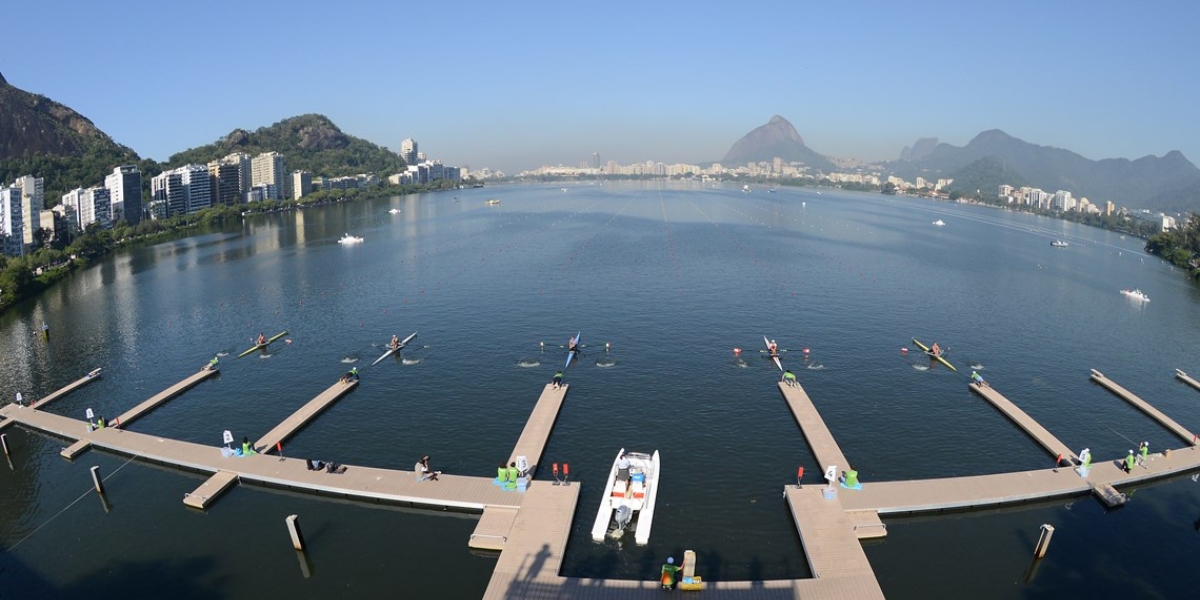
This is especially important for public marinas, municipal waterfronts, parks, rowing facilities, and commercial spaces that serve a wide range of visitors.
Accessibility features may include:
- More gradual transitions
- Wider walkways
- Better boarding access
- Layouts that support easier movement throughout the dock system
Are all floating docks automatically ADA compliant?
No. A floating dock can be designed to support accessibility, but compliance depends on the overall design, layout, slope, access routes, and local requirements. That’s why planning matters.
What to Consider Before Replacing Your Dock
Planning a marina dock replacement takes some thought. Here are the main things to keep in mind:
1. Your Environment
Think about:
- Water depth
- Wave activity
- Weather conditions
- Seasonal changes
Your location plays a big role in choosing the right dock system.
2. How You Use Your Dock
Different uses require different designs.
For example:
- Recreational marinas need comfort and easy access
- Commercial docks need strength and durability
- Government projects may require ADA compliance
Make sure your dock matches your day-to-day needs.
3. Materials Matter
Modern floating docks often use:
- Aluminum frames
- Composite or PVC decking
- Durable float systems like HDPE
These materials are built to last and require less maintenance over time.
4. Maintenance Needs
Ask:
- How much upkeep will this require?
- How often will parts need to be replaced?
- Is maintenance simple or complicated?
Choosing a low-maintenance option can save time and effort.
5. Budget vs. Long-Term Value
While cost is important, it’s not the only factor.
A higher-quality dock can:
- Last longer
- Reduce repair costs
- Improve user experience
- Support marina growth
Think about long-term value, not just the upfront price.
What the Marina Dock Replacement Process Looks Like
If you’ve never gone through a marina dock replacement before, the process can feel a little overwhelming at first. That’s completely normal. Many marina owners, property managers, and waterfront operators want to know what to expect before they commit to a project like this.
The good news is that a well-planned dock replacement is usually much more manageable than people think. When the project is handled the right way, each phase has a clear purpose. The goal is not just to remove an old dock and put in a new one. It’s to create a safer, more reliable, and more useful waterfront system that works better for the long term.
Below is a simple, step-by-step look at how the process usually works, along with answers to common questions readers may have.
Step 1: Inspection and Evaluation
The first step in any marina dock replacement project is a full inspection of the existing dock system. This is where you take a close look at what you currently have, what condition it is in, and whether it still meets your needs.
During this stage, the dock is usually checked for things like:
- Structural wear and tear
- Loose or damaged hardware
- Problems with decking or framing
- Float issues or signs of sinking
- Stability and safety concerns
- Accessibility issues
- Layout problems that affect traffic flow or boat access
This step matters because not every aging dock needs the exact same solution. In some cases, one section may be failing while another still works fine. In other cases, the entire dock system may be outdated and no longer worth repairing.
This is also the time to ask bigger-picture questions, such as:
- Is the dock still safe for daily use?
- Are repairs becoming too frequent or too expensive?
- Does the current design still work for the types of boats and users you serve?
- Do you need better accessibility, more slip space, or a different layout?
A good inspection helps you understand both the physical condition of the dock and the practical reasons for replacing it.
Why the inspection stage is so important
Some marina owners make the mistake of jumping straight into buying a new dock without fully understanding the problems with the old one. That can lead to a replacement that solves one issue but misses others.
For example, a dock may look worn on the surface, but the bigger issue could be poor layout, not just aging materials. Or a marina may think it needs another fixed dock when the real problem is that changing water levels make a floating system a better fit.
The inspection stage helps prevent those kinds of mistakes.
Step 2: Design and Planning
Once the current dock has been evaluated, the next step is planning the new system. This is where the project starts to take shape.
During the design phase, the replacement dock is planned around your specific goals, your site conditions, and how the marina is used. This is much more than choosing a dock that “looks good.” A proper design should improve functionality, safety, durability, and user experience.
The planning process often includes:
- Deciding on the overall dock type
- Creating the layout
- Choosing materials
- Planning slip sizes and walkway widths
- Considering accessibility needs
- Making sure the dock fits the water conditions at the site
This is also when many owners begin thinking more carefully about future needs, not just current ones.
For example, you may want to ask:
- Will I need to expand later?
- Do I want a layout that can be reconfigured?
- Do I need dock sections for different vessel sizes?
- Will this setup work well during changing water levels or storm conditions?
These questions matter because a marina dock is a long-term investment. A better design now can save time, money, and frustration later.
Planning for present needs and future growth
One of the biggest advantages of careful planning is that it helps you build a dock system that works not only today, but years from now.
Maybe your marina has grown since the original dock was installed. Maybe boating trends in your area have changed. Maybe you need more flexibility for commercial, government, or public access use. A replacement project is a chance to solve those issues, not just replace old materials.
That’s why many people view replacing marina docks as an upgrade, not simply a repair job.
Step 3: Permits and Approvals
After the design is developed, the next step is dealing with permits and approvals. This is one part of the process that many people forget about at first, but it’s very important.
Waterfront projects often need approval from local, state, or federal agencies, depending on the location and scope of the work. The exact requirements vary by area, but permits may be needed for dock removal, replacement, expansion, shoreline work, or environmental impact.
This part of the process may involve:
- Reviewing local waterfront regulations
- Confirming zoning or land-use rules
- Addressing environmental requirements
- Getting approvals for dock dimensions or placement
- Coordinating with agencies that oversee waterways
For marina owners, this stage is important because it helps make sure the project moves forward legally and without unnecessary delays.
Why permits matter so much
Permits are not just paperwork. They help confirm that the new dock will meet required standards for safety, environmental impact, and waterfront use. Skipping this step can cause major problems, including fines, delays, forced changes, or issues during installation.
If you are working with an experienced dock provider, they can often help guide you through this part of the process and explain what is needed for your location.
Step 4: Removal of the Existing Dock
Once the design is ready and approvals are in place, the old dock can be removed. This stage is exactly what it sounds like, but it still requires planning and care.
The removal process typically includes safely taking apart and removing the existing dock system, along with any damaged or outdated components that are no longer needed. The site is then prepared for the new dock installation.
This step may involve:
- Disconnecting utilities or accessories if needed
- Removing worn decking, framing, or floats
- Taking out anchors, pilings, or hardware, depending on the system
- Clearing debris from the work area
- Preparing the waterfront for the new installation
Why proper removal matters
Dock removal needs to be done safely and efficiently. An old dock may be unstable, damaged, or affected by years of corrosion and exposure. Removing it the right way helps protect the site and reduces the chance of delays during installation.
It also gives installers a clean starting point. If old materials, broken components, or poor site conditions are left behind, they can create problems for the new system.
Step 5: Installation of the New Dock System
After the old dock is removed and the site is ready, the new dock can be installed. This is the stage most people look forward to because it’s when the replacement really starts to come together.
Installation usually includes placing the new dock sections, connecting the system, securing it properly, and making adjustments so it performs the way it should.
Depending on the design, this stage can include:
- Setting dock sections into place
- Connecting modular components
- Securing anchoring or mooring systems
- Installing gangways, accessories, or safety features
- Adjusting alignment, spacing, and stability
The exact process depends on the dock type, water conditions, and project size. Floating dock systems are often efficient to install because many components are prefabricated and designed to fit together in a modular way.
What makes installation successful
A successful installation is about more than speed. The dock needs to be installed correctly for safety, durability, and long-term performance. That includes making sure it is level, secure, stable, and suited to the conditions at the site.
This stage is also when many marina owners begin to see the practical value of the upgrade. A better layout, improved access, stronger materials, and a cleaner design can make a big difference right away.
Step 6: Final Inspection and Check
Once the new dock is in place, the final step is a full inspection and review. This helps make sure everything is installed correctly and ready for use.
During the final check, the dock is reviewed for:
- Stability and structural performance
- Proper connections and hardware placement
- Safe walking surfaces
- Accessibility features
- Overall functionality and readiness for use
This is the point where any final adjustments can be made before the dock is fully opened or returned to regular operation.
Why the final check matters
Even a well-designed dock still needs to be checked carefully once installed. This final review helps confirm that the project meets expectations and that the dock is safe, secure, and performing the way it should.
It also gives owners peace of mind. After all the planning, permitting, removal, and installation, this is the step that confirms the marina is ready to move forward with confidence.
Final Thoughts: Upgrade with Confidence
At some point, every marina reaches the stage where repairs just aren’t enough. That’s when a marina dock replacement becomes the smart move.
By understanding the signs and planning ahead, you can upgrade to a dock system that’s safer, easier to use, and built to last.
If you’re considering your options, AccuDock offers durable, American-made floating dock systems designed to fit a wide range of needs. Contact us today to learn more and find the right solution for your marina.

AccuDock is a global leader in the design and manufacturing of Floating Docks
CALL 954.785.7557 OR EMAIL [email protected] FOR MORE INFORMATION


