


Floating Dock vs Fixed Dock for Marinas: Which System Performs Better?
If you’re planning or upgrading a marina, one of the biggest decisions you’ll face is choosing between a floating dock vs. fixed dock system. At first, they might seem similar, but they perform very differently depending on the environment and how the dock will be used.
The good news is, once you understand how each one works, the choice becomes much clearer. In this guide, we’ll break everything down in a simple, practical way so you can feel confident making the right decision.
What’s the Difference Between Floating and Fixed Docks?
If you’re comparing floating dock vs. fixed dock options, it helps to start with a clear understanding of how each system actually works, and what that means for everyday use.
At a basic level, both types of docks are designed to give you safe, reliable access to the water. But the way they’re built and how they respond to their environment can lead to very different experiences over time. Let’s break it down in a simple, practical way.
What Is a Floating Dock?
A floating dock sits directly on the surface of the water and is supported by built-in flotation, usually made from durable, buoyant materials like HDPE (high-density polyethylene).
Instead of staying in one fixed position, the dock rises and falls with the water level. That means whether the water goes up or down, your dock stays at a consistent height relative to your boat.
Why That Matters
This design makes floating docks incredibly user-friendly. You don’t have to climb up or down to get in your boat, and you don’t have to worry about big height differences during tides or seasonal changes.
That’s one of the main reasons floating marina docks are so widely used today.
Where You’ll Commonly See Floating Docks
Floating docks are used in a wide range of environments, including:
- Marinas and harbors
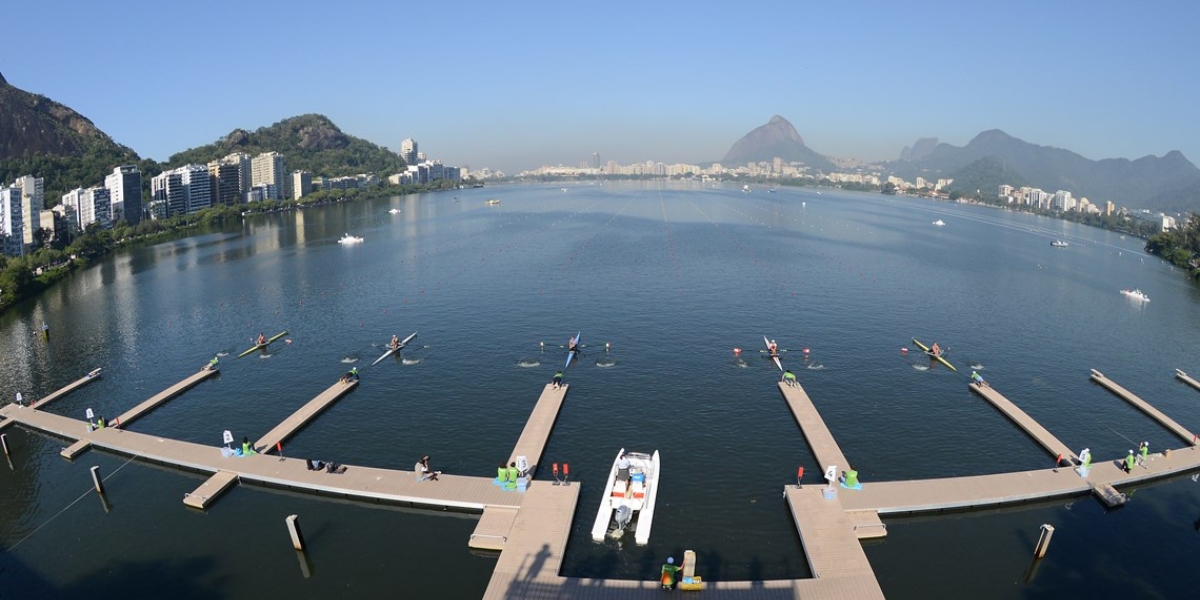
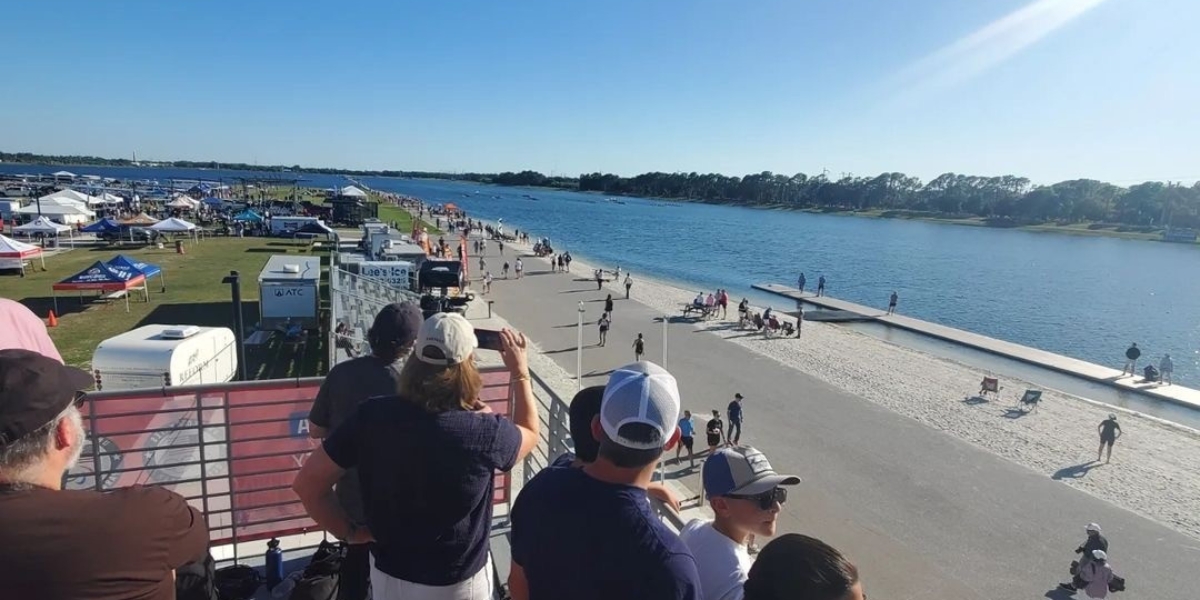
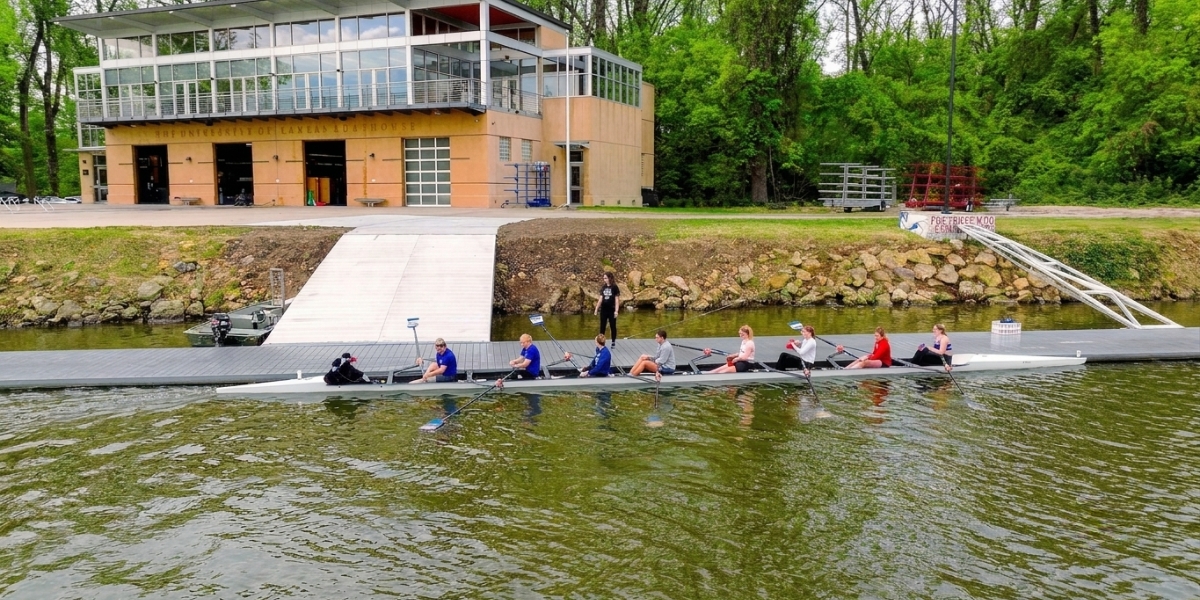
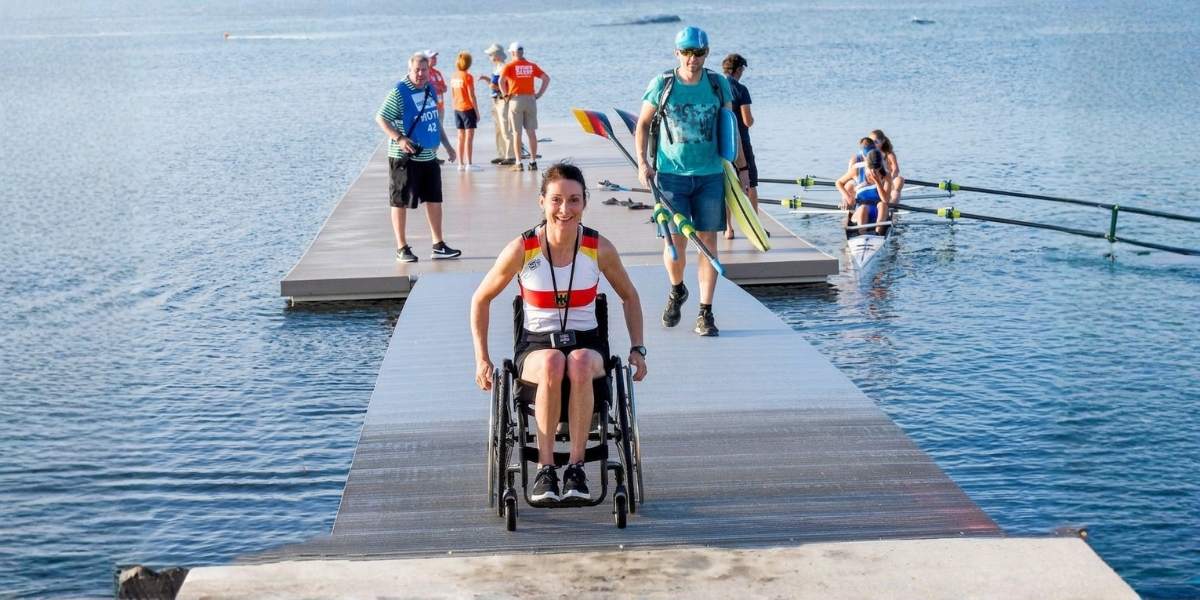
- Kayak, rowing, and paddle sports facilities
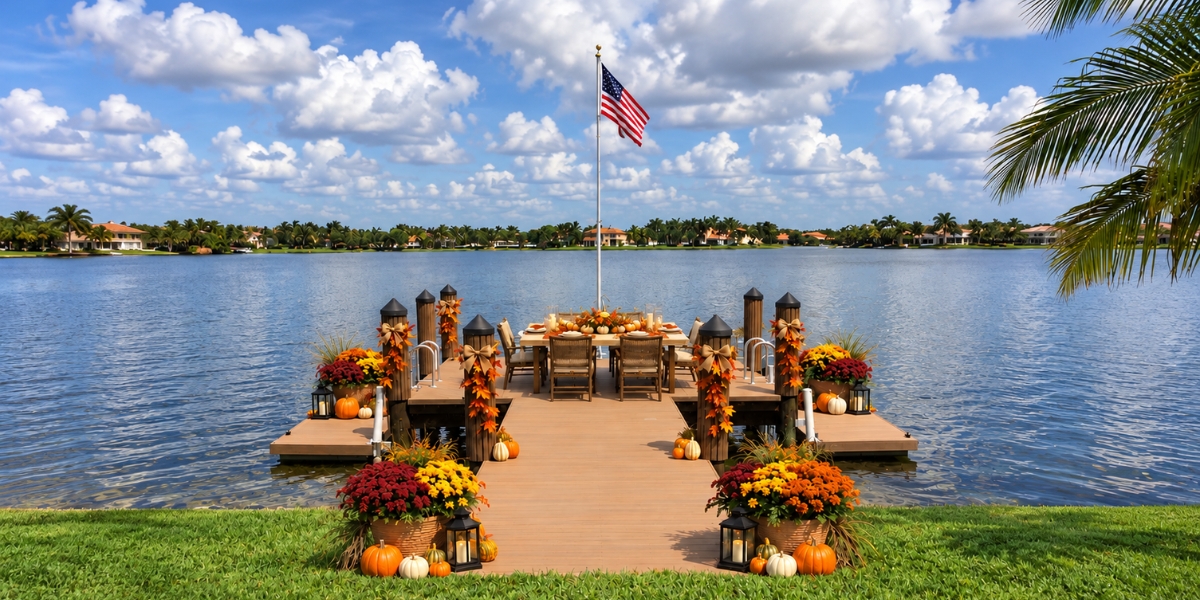
- Residential waterfront properties
- Commercial and government waterfront projects
Key Benefits of Floating Docks
- Adjust automatically to water level changes
- Easier and safer boat access
- Modular design allows for customization and expansion
- Typically lower maintenance over time
Do floating docks feel stable?
Yes: this is one of the biggest concerns people have. While floating docks do move slightly, modern systems are designed to feel very stable underfoot. High-quality docks are engineered to minimize rocking, even in busy marina environments.
What Is a Fixed Dock?
A fixed dock (also called a stationary dock) is built into the ground using pilings that are driven into the lakebed or seabed. The dock itself stays at a constant height above the water, no matter what the water level does.
Why That Matters
Because the dock doesn’t move, it provides a very solid, stable feel. However, that also means it doesn’t adjust if the water level changes.
Where Fixed Docks Are Typically Used
You’ll usually find fixed docks in:
- Calm lakes with stable water levels
- Areas with little to no tidal activity
- Some residential waterfront properties
Key Benefits of Fixed Docks
- Completely rigid and stable
- Traditional, permanent structure
- Works well in predictable, calm environments
What happens if the water level changes?
This is where fixed docks can become less practical. If water levels rise or fall significantly:
- The dock may sit too high above the water
- It may become partially submerged
- Access to boats can become more difficult
In some cases, adjustments or extensions are needed, which can add time and cost.
Floating Dock vs. Fixed Dock: What Really Matters
Now that you understand the basics, let’s look at how floating dock vs. fixed dock systems compare in real-world performance.
1. How They Handle Changing Water Levels
This is often the most important factor, especially for marinas.
Floating Dock:
- Moves up and down with the water
- Keeps a consistent height for easy access
- Works well in tidal areas or places with seasonal changes
Fixed Dock:
- Stays in one position
- Can become too high or too low depending on water levels
- May require modifications over time
Bottom line: If your water levels change at all, floating docks are usually the better and more reliable option.
2. Stability and Everyday Feel
A lot of people assume fixed docks are always better because they don’t move, but that’s not the full picture.
Floating Dock:
- Slight movement, but modern designs are very stable
- Comfortable for walking, loading, and docking
Fixed Dock:
- Completely solid with no movement
- Feels very secure underfoot
Bottom line: Fixed docks feel more rigid, but today’s floating docks are stable enough for almost all marina and commercial uses.
3. Durability Over Time
When you invest in a dock, you want it to last.
Floating Dock:
- Built with corrosion-resistant materials like aluminum and HDPE
- Holds up well in both freshwater and saltwater
- Designed for long-term performance
Fixed Dock:
- Pilings can wear down due to water exposure, rot, or corrosion
- Can be affected by storms and shifting ground
- Repairs can be more complicated
Bottom line: Floating docks often have an advantage in long-term durability, especially in harsher environments.
4. Installation Process
Installation can impact both cost and timeline.
Floating Dock:
- Faster and more flexible installation
- Modular sections make setup easier
- Less disruption to the surrounding environment
Fixed Dock:
- Requires heavy equipment and pile driving
- Longer installation timeline
- More invasive to install
Bottom line: Floating docks are typically quicker and easier to install.
5. Maintenance and Repairs
This is a big one for marina operators and property owners.
Floating Dock:
- Low maintenance
- Individual sections can be repaired or replaced
- Modular design simplifies upkeep
Fixed Dock:
- Repairs can be more complex and time-consuming
- Structural issues may be harder to access
- Maintenance costs can increase over time
Bottom line: Floating docks are generally easier and more cost-effective to maintain.
6. Cost and Long-Term Value
Let’s talk about what most people are really wondering: cost.
Floating Dock:
- Often lower installation costs
- Can be expanded over time instead of rebuilt
- Lower long-term maintenance expenses
Fixed Dock:
- Higher upfront installation costs in many cases
- Less flexibility for future changes
- Repairs can be expensive
Bottom line: Floating docks usually offer better long-term value, especially for growing marinas.
Summing It Up: Floating Dock vs. Fixed Dock
If you’re trying to decide between the two, here’s a simple way to think about it:
Choose a floating dock if you want:
- Flexibility
- Adaptability to changing water levels
- Easier maintenance
- Long-term scalability
Choose a fixed dock if you have:
- Very stable water conditions
- A smaller, simple setup
- A preference for a completely rigid structure
When comparing floating dock vs. fixed dock, the right choice comes down to how your dock will be used and how your environment behaves over time.
For most modern marinas and waterfront projects, floating marina docks offer the flexibility, durability, and performance needed to handle real-world conditions. They make it easier to adapt, expand, and maintain your dock system without constant adjustments or costly repairs.
If you’re planning for the future, not just today, a floating dock system is often the smarter, more reliable investment.
When Does a Fixed Dock Make Sense?
Floating docks get a lot of attention today, especially for marinas, but that does not mean fixed docks are outdated or ineffective. In the right setting, a fixed dock can still be a smart and practical choice. The key is knowing when a fixed system fits the environment, the property, and the long-term goals of the project.
A fixed dock is attached to pilings or posts that are driven into the bottom below the water. Because of that, the dock stays in one position and does not rise or fall with the water. That design can be a big advantage in some situations, but it can also become a drawback in others.
So when does a fixed dock make sense? Usually, it works best when the conditions are predictable and the layout is not expected to change very much over time.
When Water Levels Stay Consistent
One of the best situations for a fixed dock is a location where the water level stays fairly steady throughout the year. If there is very little tidal movement and only minor seasonal change, a fixed dock can work very well.
This matters because a fixed dock does not move with the water. If the water rises too much, the dock may end up sitting too low. If the water drops too much, it may sit too high above the waterline. Either situation can make boarding a boat harder and less safe.
In calm lakes, ponds, and some protected waterfront areas, this is less of a problem. If the water is stable most of the time, a fixed dock can offer reliable performance without needing to adjust to changing conditions.
Readers often ask, “Is a fixed dock bad if water levels change a little?” Not necessarily. Small changes may not create major issues. The bigger concern is regular or dramatic fluctuation. If the site sees large shifts due to tides, storms, rain, drought, or seasonal changes, a floating dock usually performs better.
When the Area Is Very Calm
A fixed dock can also make sense in areas with very calm water. If the site is protected from strong wave action, heavy currents, and rough conditions, a fixed structure can feel extremely solid and dependable.
Many people like the stable, permanent feel of a fixed dock. Since it does not move with the water, it often feels firm underfoot. That can be appealing for homeowners or smaller properties where the dock is mainly used for sitting, fishing, or light boating access.
That said, calm conditions are important. In more active waterfront environments, fixed docks can take a lot of stress from waves, surges, and changing water levels. Over time, that can lead to wear on the structure, the pilings, and the deck itself.
When You Want a Traditional, Permanent Structure
Some property owners simply prefer the look and feel of a traditional dock. Fixed docks often have a classic appearance that works well with certain residential properties, waterfront homes, and private settings.
If your goal is a dock that feels permanent and blends into a long-established waterfront design, a fixed dock may be the better fit visually. In some cases, aesthetics matter just as much as function, especially for private residential projects.
People also ask, “Do fixed docks feel more solid than floating docks?” In many cases, yes. Fixed docks usually feel more rigid because they are anchored directly into the ground below the water. Floating docks can still be very stable, especially when they are well designed, but they do have some natural movement.
When You Do Not Plan to Expand or Reconfigure
Another time a fixed dock makes sense is when the layout will likely stay the same for many years. Fixed docks are best suited for projects with a clear, permanent design and little need for future changes.
For example, if you know exactly where the dock will go, how long it should be, and how it will be used, and you do not expect that to change, a fixed dock may be perfectly adequate.
But this is where many marina operators run into limitations. Marinas often grow over time. Slip layouts may need to change. New access points may be added. Different vessels may require a different arrangement. In those cases, fixed docks are less flexible.
When the Project Is Smaller and Simpler
For smaller residential setups, fixed docks can still be a strong option. If the dock is being used for a single boat, basic waterfront access, or personal recreation in a stable environment, a fixed system may do everything the owner needs.
In these situations, the project may not require the flexibility, modular design, or adaptability that floating systems offer. A straightforward fixed dock can meet the need without adding extra complexity.
Still, it is important to think ahead. Even for a smaller dock, future use may change. A family may buy a different boat, add water toys, or want easier access as needs evolve. That is why planning for the long term matters, even on a simple residential project.
Questions to Ask Before Choosing a Fixed Dock
If you are considering a fixed dock, it helps to ask a few simple questions:
- Does the water level stay mostly the same?
- Is the area protected from heavy wave action?
- Do I want a permanent, traditional structure?
- Will I keep the same layout for years?
- Is this a smaller project with limited future changes?
If the answer to most of these is yes, a fixed dock may be a good fit. If not, it may be worth looking more closely at floating options.
Why Floating Marina Docks Are So Popular Today
There is a reason more marina owners, commercial properties, and waterfront developers are choosing floating systems. In many environments, they offer the flexibility, performance, and long-term practicality that modern projects need.
As marina demands change, dock systems have to do more than just provide a place to tie up a boat. They need to support safety, accessibility, growth, and ease of use. That is where floating marina docks stand out.
They Are Easy to Customize
One of the biggest reasons floating marina docks are so popular is that they are highly customizable. Unlike fixed systems, which are more permanent and harder to change, floating docks are often modular. That means they are made from sections that can be arranged, expanded, or adjusted based on the needs of the site.
This gives marina owners much more flexibility. For example, a marina may need:
- Boat slips in different sizes
- Walkways for better traffic flow
- Launch areas for kayaks or paddlecraft
- ADA accessible routes
- Work platform sections for maintenance or commercial use
With a floating system, those needs are often easier to plan for and adapt over time.
This matters because marinas rarely stay exactly the same. Customer needs change. Vessel sizes change. Business goals change. A dock system that can evolve along with the property gives owners a major advantage.
Readers may wonder, “Can floating docks really be changed later?” In many cases, yes. That is one of their biggest strengths. A modular floating system can often be expanded or reconfigured without having to replace the entire structure.
They Adapt to Changing Conditions
Another major reason floating docks are gaining popularity is their ability to adapt to real-world waterfront conditions. Water does not stay perfectly still. Levels rise and fall. Weather changes. Storms happen. Heavy use can put stress on any marina structure.
Floating docks are designed to move with the water instead of fighting against it. That gives them a practical advantage in many locations. This helps in several ways.
1. They Keep Access More Consistent
Because floating docks rise and fall with the water, the distance between the dock and the boat stays more consistent. That makes boarding easier and safer.
This is especially important in areas with:
- Tides
- Seasonal water level changes
- Flooding or heavy rain
- Reservoir fluctuations
- Busy boating activity
With a fixed dock, changing water levels can create awkward gaps or steep angles. With a floating dock, access usually stays much more manageable.
2. They Can Reduce Storm-Related Stress
No dock is completely immune to extreme weather, but floating docks are often better suited to handle normal fluctuations and variable conditions. Since they move with the water, they are less likely to become unusable during changing levels.
This does not mean floating docks eliminate storm risk. Good design, proper anchoring, and quality materials still matter. But in many environments, a floating system is better equipped to deal with day-to-day and seasonal movement.
3. They Improve Safety
Safety is one of the biggest concerns for any marina. Dock users need stable footing, safe access to boats, and predictable movement throughout the property.
Floating docks help with safety by keeping the walking surface closer to watercraft, even as conditions change. That can reduce stepping height differences and improve ease of use for a wide range of visitors.
This is also helpful for:
- Older adults
- Children
- People carrying equipment
- Users with mobility needs
- Marina staff working long hours on the dock
They Are Better for Growth
Growth is another big reason floating docks are so popular. Marinas often change over time, even if the original plan seemed complete. New customers come in. New types of vessels need space. Extra slips may be needed. Service areas may need to be added.
With a fixed dock, growth can be harder and more expensive. The structure is more permanent, which means expansion can require major construction.
With floating docks, adding more sections is often much simpler. That flexibility is valuable because it allows marina operators to:
- Start with what they need now
- Expand as demand grows
- Rework layouts when necessary
- Adjust to changing business goals
In other words, floating systems support both present needs and future plans.
Are floating docks only good for large marinas?
Not at all. They work well for marinas of many sizes. A smaller marina may benefit from the same flexibility and adaptability as a larger one.
They Can Be More Environmentally Friendly
Environmental impact is another important topic today, especially for waterfront development. Many marina owners and public agencies want solutions that reduce disruption to the surrounding ecosystem. Floating docks can offer advantages here too.
Less Disturbance to the Seabed
Fixed docks usually require pilings to be driven into the bottom. That process can create more disruption during installation.
Floating docks often require less seabed disturbance, depending on the anchoring system and site conditions. This can make them a more practical option in environmentally sensitive areas.
Better Water Flow
Because of how floating systems are designed, they often allow for more natural water movement beneath and around the structure. This can help reduce some of the issues that come from overly disruptive waterfront construction.
Durable, Long-Lasting Materials
Many floating dock systems are built with materials designed to last in harsh marine environments. That can include corrosion-resistant framing and durable flotation materials such as HDPE.
Long-lasting materials matter because they can reduce replacement frequency and lower long-term waste. A dock that performs well for years without constant replacement is often a smarter environmental choice.
They Match the Needs of Modern Marinas
Modern marinas are expected to do more than ever before. They need to support different kinds of vessels, provide better user experiences, improve accessibility, and stay adaptable as needs change.
That is why floating systems continue to grow in popularity. They fit the way many marinas operate today.
They work well for:
- Recreational marinas
- Commercial waterfronts
- Government and municipal projects
- Paddle sport facilities
- Mixed-use dock systems
Instead of being locked into one rigid design, marina owners get a system that can respond to changing conditions and long-term growth.
Floating Dock vs. Fixed Dock
When it comes to floating dock vs. fixed dock, the best choice depends on your environment and long-term goals.
But for most marinas, floating docks come out ahead. They offer:
- Better performance in changing water levels
- Easier installation and expansion
- Lower maintenance
- Long-term durability
Fixed docks still have their place, but they’re less flexible and harder to adapt as conditions change. If you’re comparing floating dock vs. fixed dock options and want a system that’s built to last, it’s worth taking a closer look at floating solutions.
High-quality floating marina docks are designed to grow with your needs, handle real-world conditions, and make your marina easier to manage. Contact AccuDock to learn more about our modular floating dock systems and find the right solution for your project.
AccuDock is a global leader in the design and manufacturing of Floating Docks
CALL 954.785.7557 OR EMAIL [email protected] FOR MORE INFORMATION


