

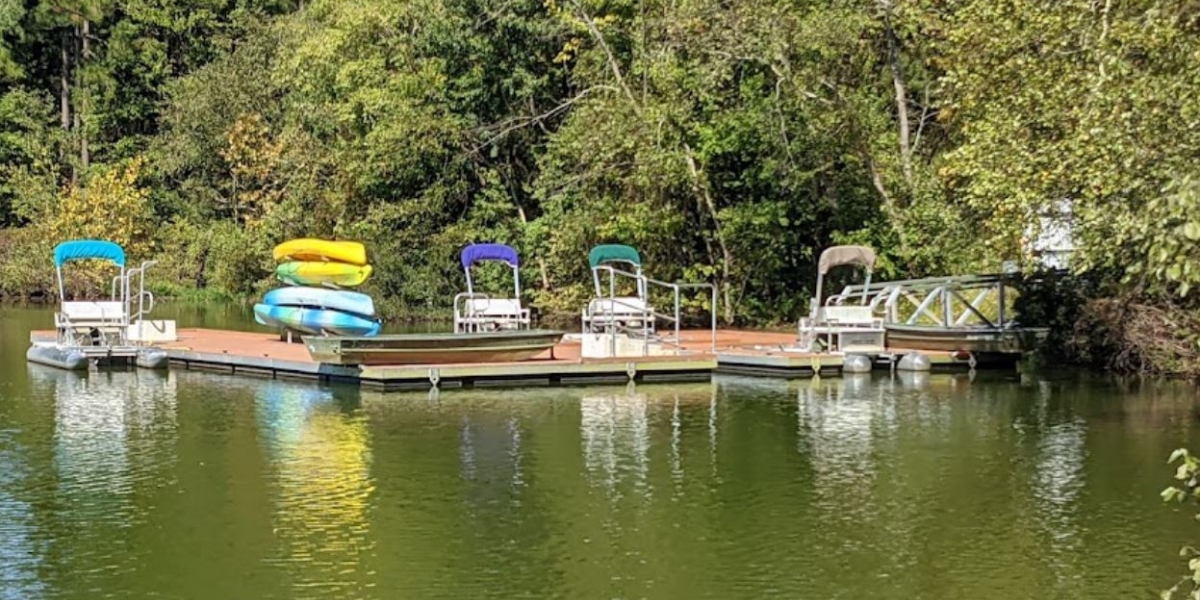
Discovering Hidden Waterways This Summer with Kayak Adventures
Summer brings longer days, warmer weather, and more reasons to get outside. It also brings crowded beaches, busy boat ramps, packed marinas, and popular waterways filled with traffic. If you want a quieter way to enjoy the season, kayak adventures can help you discover hidden waterways that feel peaceful, scenic, and far removed from the usual summer crowds.
Kayaking gives you access to narrow creeks, calm coves, mangrove trails, spring-fed rivers, and backwater channels that larger boats cannot easily reach. These places often offer better wildlife viewing, calmer paddling, and a stronger connection to the water. Whether you are a beginner planning your first short paddle or an experienced paddler looking for new kayak spots, the right plan can make your summer trips safer and more rewarding.
For homeowners, parks, marinas, camps, and waterfront businesses, access matters just as much as the route itself. A safe launch point can make every trip easier. AccuDock builds kayak and paddle sport dock systems that help paddlers enter and exit the water with more stability, comfort, and confidence.
Why Hidden Waterways Make Kayak Adventures More Enjoyable
Popular waterways are popular for a reason. They may have easy parking, well-known launch points, and beautiful views. But during summer, those same benefits can attract large crowds. Heavy boat traffic, long launch lines, and noisy surroundings can take away from the experience.
Hidden waterways offer something different. They give paddlers a chance to slow down, explore, and enjoy quieter sections of nature.
These less crowded routes often include:
- Small rivers with shaded banks
- Marsh channels with birds and wildlife
- Protected bays with calmer water
- Mangrove tunnels that feel private and peaceful
- Spring-fed waterways with clear water
- Quiet lake coves away from main boating lanes
The best kayak adventures do not always require traveling far. Many paddlers find great routes within an hour of home by looking beyond the most advertised launch points. Local parks, county water trails, and smaller public access areas can lead to some of the most memorable summer paddles.
The National Park Service water trails program notes that water trails help connect people to outdoor recreation while supporting stewardship of natural areas. For paddlers, that means a well-planned route can be both fun and low impact when done responsibly.
How to Find Less Crowded Kayak Spots This Summer
Finding quieter kayak spots takes a little research, but it is worth the effort. Instead of choosing only the most famous lake or beach launch, look for places that offer smaller access points and calmer routes.
Start With Local Water Trail Maps
Many states, counties, and park systems publish water trail maps. These maps often show launch areas, route lengths, rest stops, hazards, and nearby facilities.
Look for details such as:
- Paddle route distance
- Average water depth
- Public launch access
- Parking availability
- Restroom locations
- Current strength
- Tide influence
- Seasonal closures
A route that looks short on a map can feel much harder if you are paddling against wind, tide, or current. Always check local guidance before you go.
Search for Smaller Launch Areas
Large public boat ramps can be busy in summer because they serve motorboats, jet skis, fishing boats, and trailers. Smaller kayak launches may be quieter because they are designed mainly for paddlers.
Our guide on how to launch a kayak from a ramp is a useful resource if you are still learning how to enter the water safely and avoid common launch mistakes.
Ask Local Paddling Groups
Local paddling clubs, outfitters, and conservation groups often know about routes that do not appear in general travel guides. They can also tell you which places are beginner-friendly and which ones require more skill.
For more trip inspiration, you can also check out our guides on the best places to kayak in Florida or kayak destinations across the USA.
Best Types of Hidden Waterways for Kayak Adventures
Not every hidden waterway is right for every paddler. Some are calm and beginner-friendly. Others may involve tides, boat wakes, wildlife concerns, or long distances between exit points.
Here are several types of waterways to consider.
Calm Lakes and Coves
Lakes are often a good choice for new paddlers, especially when you can stay close to shore. Smaller coves offer protection from wind and boat traffic. Early morning is usually the best time to paddle because the water is calmer and crowds are lighter.
Lake paddling is also great for families because routes can be shortened easily. If conditions change, you can turn back without committing to a long downstream route.
Spring-Fed Rivers
Spring-fed rivers can offer clear water, steady temperatures, and scenic surroundings. These routes are popular in warm states because the water often feels cooler during summer.
Before planning a spring trip, check local rules. Some springs limit access to protect wildlife and water quality. Others may close during certain seasons.
Mangrove Trails
Mangrove trails are some of the most unique kayak spots for summer exploring. They often include narrow tunnels, shallow water, and plenty of wildlife. Because motorboats cannot easily pass through these areas, kayakers can enjoy a quieter ride.
Paddlers should watch tides closely. Low tide can make some mangrove trails too shallow to pass through, while high tide can make navigation easier.
Slow-Moving Rivers
A gentle river can be ideal for kayak adventures because the current helps carry you along. Still, it is important to plan your exit point. Unlike lake paddling, river routes often require a shuttle or a second vehicle.
Check water levels before you go. The U.S. Geological Survey water data portal provides streamflow and water level information for many waterways across the country.
Coastal Backwaters
Coastal backwaters can include bays, marshes, tidal creeks, and protected estuaries. These areas are great for wildlife viewing and photography. They can also be more challenging because tides and wind affect your route.
If you are new to coastal paddling, choose a guided route or paddle with someone experienced.
Planning Your Route Before You Paddle
Good planning can make kayak adventures safer and more enjoyable. Hidden waterways may have fewer people around, which means you need to be more prepared.
Check Weather and Wind
Weather can change fast on the water. Wind is especially important for kayakers because it can make paddling harder, even on a calm-looking lake.
Before you leave, check:
- Wind speed
- Storm risk
- Heat index
- Tides
- Water temperature
- Visibility
- Sunset time
The National Weather Service boating safety page recommends checking conditions before heading out and staying alert for changing weather.
Know Your Skill Level
Choose routes that match your experience. A peaceful-looking waterway may still have strong currents, submerged obstacles, or limited exit points.
Beginner-friendly kayak spots usually have:
- Calm water
- Short route options
- Easy shoreline access
- Clear launch and return points
- Low boat traffic
- Cell service or nearby help
More advanced routes may include open water, tidal flow, longer distances, or remote areas.
Tell Someone Your Plan
Before paddling a hidden waterway, tell someone where you are going and when you expect to return. Share your launch point, route, and exit point.
This simple step matters because hidden routes often have fewer people nearby.
What to Pack for Summer Kayak Adventures
Packing well does not mean overpacking. It means bringing the right items for heat, water, safety, and comfort.
For most summer paddles, bring:
- Properly fitted life jacket
- Drinking water
- Sunscreen
- Hat and sunglasses
- Dry bag
- Whistle
- Phone in waterproof case
- Small first aid kit
- Map or GPS
- Snacks
- Light towel
- Extra paddle if possible
For longer trips, add:
- Headlamp
- Repair kit
- Extra clothing
- Emergency blanket
- Insect protection
- Portable charger
- Navigation backup
AccuDock’s paddling safety guide offers more practical tips for planning safer trips from launch to return.
Why Launch Access Matters More Than People Think
Many paddlers focus on the route but overlook the launch. That can be a mistake. A poor launch area can make the trip harder before it even begins.
Steep banks, slippery rocks, high fixed docks, and crowded ramps can create problems. You may struggle to lower your kayak, step into the boat, load gear, or return safely after paddling.
A floating dock can help because it moves with the water level. This creates a more consistent launch height compared to fixed structures.
For paddlers, that can mean:
- Easier entry and exit
- Better balance while loading gear
- Less strain on knees and back
- Safer launches for beginners
- More confidence for older adults or adaptive paddlers
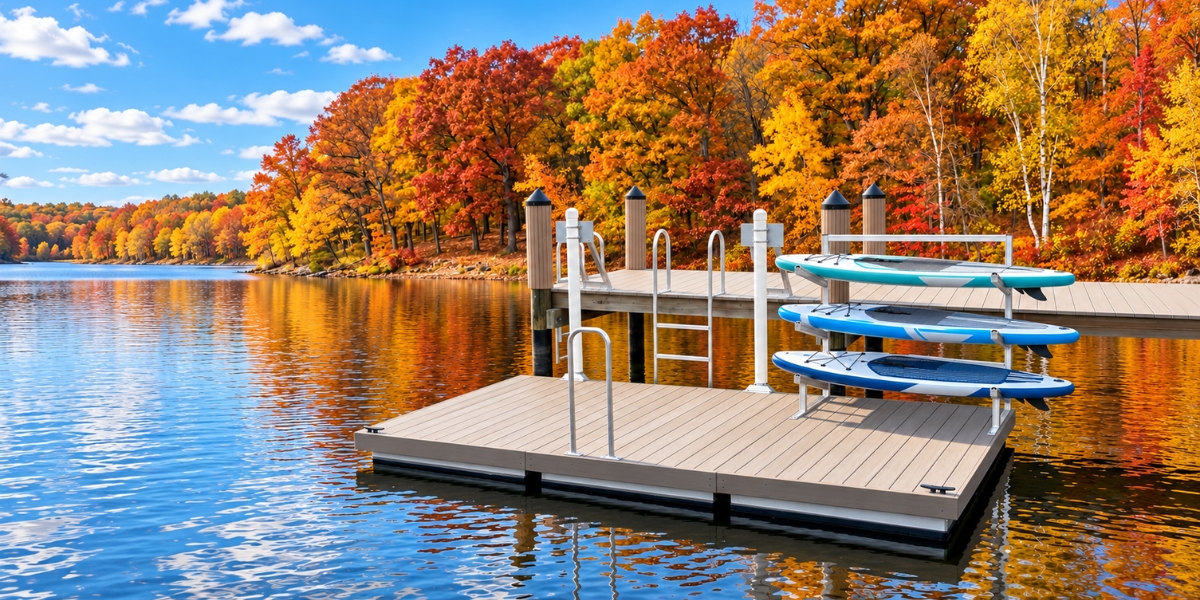
AccuDock’s kayak slip dock system is designed to support safer kayak launches and returns, especially where stability and ease of access are priorities.
How Floating Docks Support Better Kayak Adventures
Floating docks are useful for many waterfront settings because they adjust with changing water levels. This is helpful on lakes, rivers, coastal areas, and reservoirs where water height may shift throughout the season.
For residential homeowners, a floating kayak dock can turn a backyard waterfront into a convenient launch point. Instead of hauling a kayak to a public ramp, you can paddle from your own property.
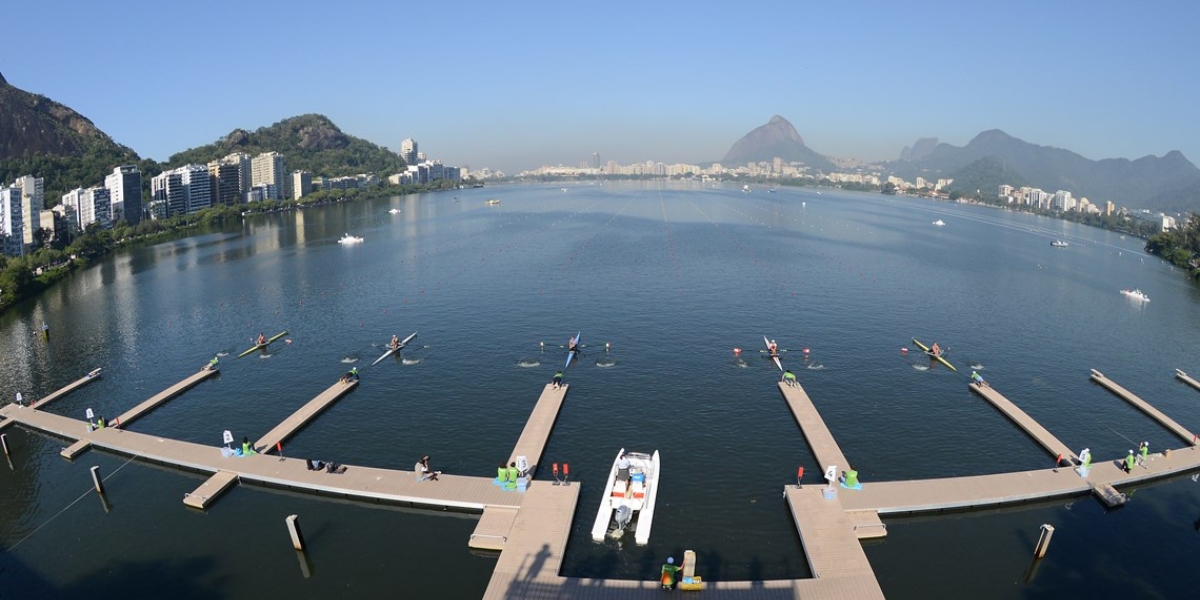
For parks and recreation departments, floating docks can improve public access and help organize launch areas. This matters during summer when more visitors are using the water.
For marinas and waterfront businesses, kayak launch systems can support rentals, tours, lessons, and guest experiences.
For camps and schools, stable docks can help younger paddlers learn safely and with more confidence.
We offer ADA compliant kayak and canoe launch docks that support more accessible paddling experiences for users who need added stability or transfer support.
Choosing Kayak Spots Based on Your Goals
Not every paddler wants the same type of trip. Some people want exercise. Others want fishing, photography, wildlife, or family time. Matching the route to your goal helps you pick better kayak spots.
| Goal | Best Waterway Type | What to Look For |
| Relaxing paddle | Calm lake or cove | Low wind, easy launch, short route |
| Wildlife viewing | Marsh or mangrove trail | Quiet water, protected habitat |
| Family outing | Small lake or slow river | Rest stops, easy exit points |
| Fitness paddle | Longer river or bay route | Steady distance, open water |
| Fishing | Backwater lake or estuary | Shallow areas, structure, calm launch |
| Photography | Spring or coastal creek | Clear water, scenic banks, early light |
A little planning helps you avoid frustration. For example, a family trip should not start at a difficult launch. A fishing trip may need extra storage. A photography paddle may work best at sunrise when light is softer and wildlife is more active.
Hidden Waterways and Wildlife Viewing
One reason kayak adventures feel so special is the chance to see wildlife up close without disturbing it. Kayaks are quiet, small, and low to the water. That makes them useful for observing animals from a respectful distance.
Depending on your location, you may see:
- Herons
- Egrets
- Turtles
- Dolphins
- Manatees
- Otters
- Fish
- Ospreys
- Bald eagles
- Crabs
- Rays
The U.S. Fish and Wildlife Service wildlife viewing tips recommend keeping a safe distance from animals and avoiding behavior that changes how wildlife feeds, rests, or moves.
A good rule is simple. If an animal changes its behavior because of you, you are too close.
Kayaking Responsibly on Hidden Waterways
Hidden waterways often feel untouched, but they can be fragile. Paddlers have a responsibility to protect these places.
Follow these habits:
- Pack out everything you bring in
- Avoid dragging kayaks over sensitive vegetation
- Stay on marked water trails when posted
- Respect private property
- Keep noise low near wildlife
- Avoid feeding animals
- Clean your kayak between waterways
- Follow local fishing and boating rules
Cleaning your kayak is especially important if you paddle in different bodies of water. Invasive plants and organisms can spread when boats, paddles, or gear move from one waterway to another.
When a Custom Dock Makes Sense
If you paddle often, a better launch setup can save time and reduce stress. A custom floating dock may make sense if you own waterfront property, manage a park, run a marina, or operate a camp.
A custom dock is worth considering if any of the following apply to your waterfront setup:
- Kayaks are launched several times a month.
- The shoreline is muddy, rocky, or steep.
- Water levels change often.
- Easier, safer access is needed for guests.
- Multiple kayaks require a dedicated space to rest.
- You are managing a shared or public access point
- A cleaner, mud-free launch area is a priority
AccuDock’s residential dock systems can support private waterfront use, while our commercial dock solutions are built for businesses, marinas, and public facilities that need long-lasting access.
For camps, parks, and recreation spaces, we offer floating dock systems for camps and parks that can support swimming, paddling, and other waterfront activities.
Common Mistakes to Avoid on Kayak Adventures
Even experienced paddlers can make simple mistakes. Hidden waterways require extra care because help may not be close by.
Avoid these common problems:
- Starting too late in the day
- Ignoring wind forecasts
- Forgetting drinking water
- Choosing a route that is too long
- Launching from unsafe banks
- Paddling alone without telling anyone
- Underestimating tides
- Bringing too much loose gear
- Skipping a life jacket
- Leaving trash behind
Many issues can be avoided with a short checklist before you leave home.
Frequently Asked Questions About Kayak Adventures
What are the best kayak adventures for beginners?
The best kayak adventures for beginners usually happen on calm lakes, protected coves, slow rivers, or guided water trails. Look for short routes, easy launch points, and low boat traffic. Beginners should avoid strong tides, open water, and remote areas until they build more experience.
How do I find hidden kayak spots near me?
Start with local park websites, water trail maps, paddling clubs, and nearby outfitters. Search for smaller launches instead of major boat ramps. You can also explore local guides, such as AccuDock’s article on great places to kayak in the United States, for ideas.
What should I bring on summer kayak adventures?
Bring a life jacket, water, sunscreen, whistle, dry bag, phone protection, snacks, and a basic first aid kit. Longer kayak adventures may also require navigation tools, extra clothing, a repair kit, and a backup power source.
Are hidden kayak spots safe?
Many hidden kayak spots are safe when you plan carefully. Check weather, water levels, tide charts, local rules, and launch conditions before going. Choose routes that match your skill level, and tell someone your plan before you leave.
Why are floating docks helpful for kayakers?
Floating docks sit closer to the water and move with changing water levels. That can make launching and returning easier than using a high fixed dock or slippery shoreline. A stable floating launch can help beginners, families, and frequent paddlers feel more confident.
Can a kayak dock be added to a private home?
Yes! Many waterfront homeowners add kayak docks to make paddling easier from their own property. AccuDock can build custom systems based on shoreline layout, water depth, usage needs, and available space.
Start Planning Better Kayak Adventures This Summer
The best summer memories are not always found at the busiest beaches or most crowded boat ramps. Sometimes they are waiting along quiet rivers, shaded creeks, peaceful coves, and overlooked waterways close to home. With the right route, smart planning, and safer launch access, kayak adventures can help you enjoy the season in a calmer and more meaningful way.
If you are ready to improve access for your home, marina, park, camp, or waterfront business, AccuDock can help you create a dock system built around real paddling needs. Start by exploring our kayak and paddle sport dock solutions and make your next trip to the water easier from the very first launch.
AccuDock is a global leader in the design and manufacturing of Floating Docks
CALL 954.785.7557 OR EMAIL [email protected] FOR MORE INFORMATION


