

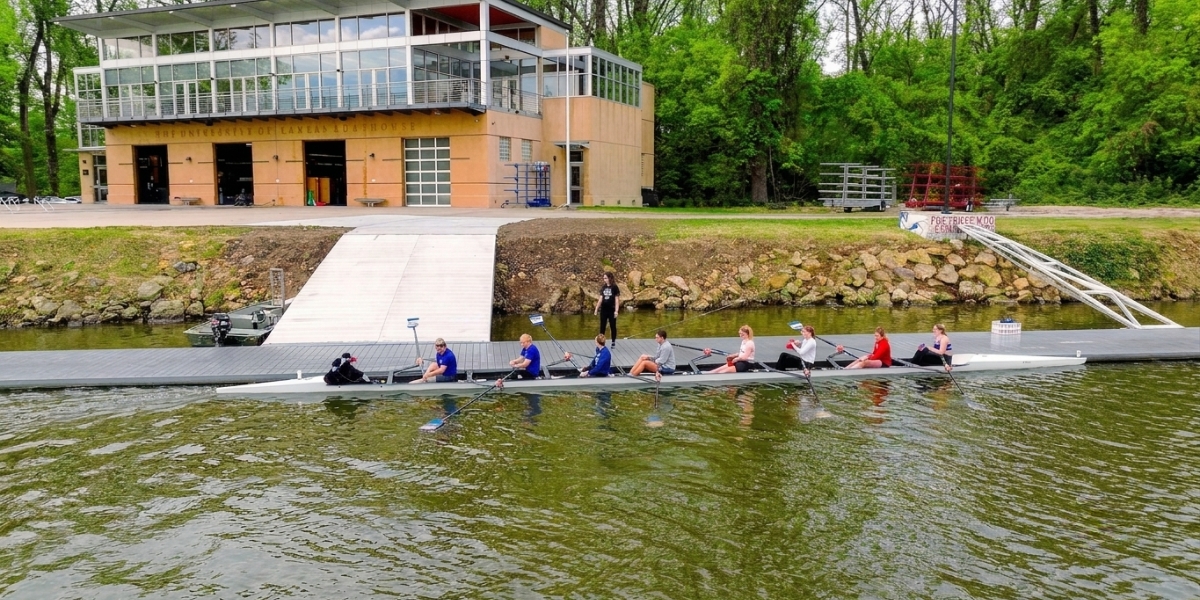
HDPE Floating Docks Explained: The Materials Behind Long-Lasting Rowing Infrastructure
Rowing programs need docks that are safe, stable, and built to last. That is one reason why HDPE floating docks have become so popular at rowing clubs, schools, parks, and race venues across the country. These docks are designed to handle constant use, changing water levels, and harsh weather conditions while giving athletes a reliable place to launch and recover their boats.
When people compare dock systems, they often focus on size or layout first. However, the materials used to build the dock are just as important. Different rowing dock materials affect stability, maintenance needs, safety, and long-term cost.
This guide explains what HDPE is, why it works well for rowing docks, how it compares to other materials, and what buyers should know before investing in a floating dock system.
What Are HDPE Floating Docks?
HDPE floating docks are dock systems made with high-density polyethylene, commonly called HDPE. This material is a durable type of plastic designed to perform well in marine environments where docks are constantly exposed to water, sunlight, changing temperatures, and heavy use.
HDPE has become one of the most popular materials used in modern floating dock construction because it combines strength, low maintenance, and long-term durability. It is commonly found in commercial marinas, rowing facilities, parks, resorts, residential waterfronts, and government projects.
Unlike traditional wood docks that can rot, crack, or splinter over time, HDPE is designed to resist moisture and weather damage. Unlike steel docks, HDPE does not rust or corrode when exposed to freshwater or saltwater conditions. These qualities make HDPE floating docks a reliable choice for rowing programs and waterfront facilities that need dependable infrastructure year after year.
HDPE is often used in several parts of a dock system, including:
- Floating dock sections
- Floatation chambers
- Dock decking surfaces
- Protective bumpers and edging
- Modular dock cubes
- Gangways and transition platforms
Many modern dock systems combine HDPE components with aluminum framing to create a structure that is lightweight, strong, and resistant to marine wear and tear.
How HDPE Floating Docks Work
Floating docks are different from fixed docks because they sit on top of the water instead of being permanently anchored at one height. The dock is supported by flotation chambers underneath the platform, allowing it to rise and fall naturally with changing water levels.
This flexibility is especially important for rowing facilities because water levels can change due to:
- Rainfall
- Tides
- Seasonal droughts
- Reservoir management
- River current changes
- Storm activity
With a fixed dock, changing water levels can create difficult launching conditions. The dock may sit too high above the water during dry seasons or too low during flooding conditions. Floating docks help maintain a more consistent height above the water, making it easier and safer for athletes to enter rowing shells.
Why HDPE Floating Docks Are Popular for Rowing
Rowing docks have different needs compared to recreational docks or marina slips. Rowers use long, narrow boats that are extremely lightweight and sensitive to movement. Because of this, dock stability becomes very important.
A rowing dock needs to provide:
- Stable launching conditions
- Easy water access
- Slip-resistant walking surfaces
- Low freeboard height
- Long-term durability
- Safe movement for athletes carrying shells
HDPE floating docks are often designed specifically for these requirements. Many systems feature low-profile platforms that sit closer to the water, helping rowers get into boats more safely and comfortably.
This becomes especially important during:
- Team practices
- Learn-to-row programs
- Regattas
- Adaptive rowing sessions
- Youth rowing camps
Stable floating docks can also help reduce unnecessary movement while athletes enter or exit boats.
What Makes HDPE Different From Other Dock Materials?
There are many materials used in dock construction, but HDPE offers several advantages that make it stand out.
HDPE Resists Water Damage
Wood docks absorb moisture over time. This can lead to:
- Rot
- Warping
- Mold growth
- Splintering
- Structural weakening
HDPE does not absorb water the same way wood does. This helps the material maintain its shape and strength over time.
HDPE Does Not Rust
Metal docks may eventually develop corrosion, especially in saltwater environments. Rust can weaken structural components and increase maintenance needs.
HDPE is naturally resistant to corrosion, which makes it a strong option for coastal rowing facilities and waterfront locations exposed to saltwater spray.
HDPE Handles UV Exposure Better
Docks spend years in direct sunlight. Lower-quality plastics may crack or become brittle after long-term UV exposure.
Marine-grade HDPE is often manufactured with UV stabilizers that help protect the material from sun damage. This can help extend the dock’s lifespan and improve long-term appearance.
Common Features Found in HDPE Floating Docks
Many floating dock systems include additional features that improve performance and safety.
Textured Deck Surfaces
Wet docks can become slippery, especially during rain or early morning practices. Many HDPE docks include textured surfaces designed to improve traction.
This can help reduce slips and falls around the water.
Modular Design
Many HDPE systems use modular sections that connect together. This allows facilities to expand or reconfigure their dock layouts over time.
For example, a rowing venue may later decide to:
- Add launch lanes
- Expand staging areas
- Create separate launch and recovery docks
- Build ADA accessible sections
- Increase dock capacity for regattas
Modular systems make these upgrades easier without rebuilding the entire waterfront.
Protective Edging
Rowing shells are lightweight and delicate. HDPE protective edging helps reduce damage when boats make contact with the dock.
This is helpful during busy practices and race events when boat traffic increases.
Why Floating Docks Are Better for Changing Water Levels
One of the biggest advantages of floating docks is adaptability.
Traditional fixed docks stay at the same height all year. This can create problems during changing water conditions.
Floating docks automatically adjust with the water level. This creates more consistent launching conditions for athletes and coaches.
For rowing programs, that consistency improves:
- Athlete safety
- Boat handling
- Launch efficiency
- Accessibility
- Overall dock usability
Facilities located on rivers, reservoirs, lakes, and tidal waterways often benefit the most from floating dock systems.
Are HDPE Floating Docks Environmentally Friendly?
Many organizations today look closely at environmental impact before investing in waterfront infrastructure.
HDPE offers several environmental benefits:
- Many HDPE materials are recyclable
- Long-lasting docks reduce replacement waste
- Some systems reduce shoreline disruption
- HDPE does not leach chemicals the way treated wood sometimes can
Longer-lasting materials may also reduce construction waste over the lifespan of the dock.
Why Rowing Docks Need Durable Materials
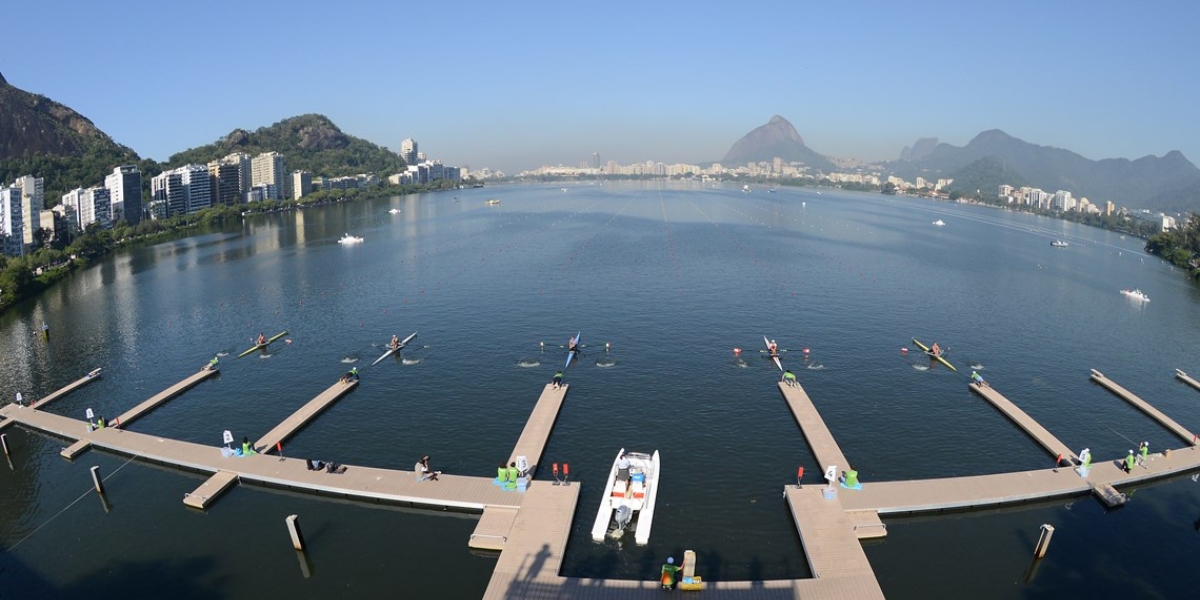
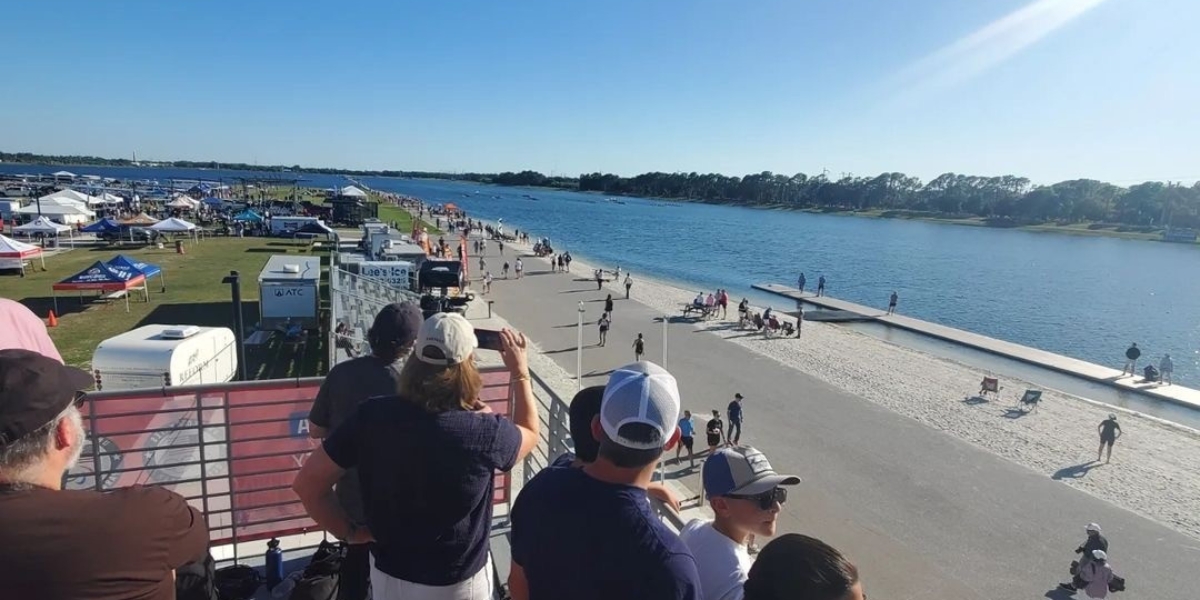
Rowing docks go through a lot of daily wear and tear. Athletes carry boats across them, crews launch repeatedly during practice, and race events can bring hundreds of people onto the docks in a single day.
Because rowing shells are long and narrow, stability is very important. Even small dock movements can make it harder for rowers to get into their boats safely.
Poor-quality dock materials can lead to problems such as:
- Slippery surfaces
- Cracking or warping
- Rust and corrosion
- Rotting wood
- High repair costs
- Shorter dock lifespan
That is why many organizations spend time comparing different rowing dock materials before choosing a system.
What Makes HDPE a Good Marine Material?
HDPE is designed to perform well in wet and changing environments. It is widely used in marine construction because it handles moisture and outdoor conditions better than many traditional materials.
Here are some of the main benefits of HDPE: Many floating dock systems also combine HDPE with aluminum frames for added strength and stability.
Why HDPE Floating Docks Work Well for Rowing
Stable Boat Launching
One of the biggest advantages of HDPE floating docks is stability.
Rowers need a dock that feels secure when entering or exiting a shell. Stable docks help athletes maintain balance and focus during launch and recovery.
This is especially important for:
- Competitive rowing teams
- Youth rowing programs
- Learn-to-row classes
- Adaptive rowing programs
- Regatta events
Stable floating docks also help reduce the chance of accidents near the water.
Better Performance During Water Level Changes
Water levels can change throughout the year because of rain, tides, drought, or reservoir management.
Fixed docks stay at one height, which can create problems during low or high water conditions. Floating docks rise and fall with the water level, keeping the dock surface at a more consistent height above the water.
That makes it easier for rowers to enter boats safely.
Lower Maintenance Requirements
Wood docks often require regular maintenance such as:
- Painting
- Staining
- Sanding
- Board replacement
- Repairing rot damage
HDPE docks usually require less upkeep.
This is helpful for schools, clubs, and municipalities that want a dock system that lasts longer without constant repairs.
How HDPE Handles Tough Weather Conditions
Sun Exposure
Docks spend years exposed to direct sunlight. Some materials become weak or brittle over time because of UV rays.
Marine-grade HDPE is designed to resist UV damage better than many lower-quality plastics.
This matters in areas with:
- Hot summers
- Strong sunlight
- Open waterfronts
- Coastal environments
Saltwater Conditions
Saltwater can damage many dock materials quickly.
Steel parts may rust, and wood may wear down faster when constantly exposed to moisture.
HDPE handles saltwater well, which makes it useful for coastal rowing programs and waterfront facilities.
Cold Weather and Ice
In colder climates, docks may go through repeated freezing and thawing cycles.
Some materials crack under these conditions. HDPE has some flexibility, which helps it handle temperature changes better than more rigid materials.
Why Dock Height Matters in Rowing
Rowing docks are designed differently from recreational marina docks.
One important feature is freeboard height, which is the distance from the water to the dock surface.
Lower dock heights are usually better for rowing because athletes sit close to the water when entering shells.
A dock that sits too high can make launching harder and less stable.
Many HDPE floating docks designed for rowing have low-profile designs that make boat access easier.
The Benefits of Modular Floating Dock Systems
Many rowing facilities grow over time. Teams expand, new programs start, and regattas attract larger crowds.
Modular dock systems help facilities adapt without rebuilding the entire waterfront.
A modular system allows organizations to:
- Add more dock sections
- Create larger launch areas
- Build separate launch and recovery docks
- Rearrange layouts for events
- Expand in the future
This flexibility is one reason floating docks are becoming more common at rowing facilities.
Safety Features Matter
Safety is one of the most important parts of dock design.
Wet docks can become slippery, especially during rain or early morning practices.
Many HDPE dock systems include textured surfaces that improve traction and help reduce slips and falls.
Safe dock surfaces are important for:
- Student athletes
- Junior rowing programs
- Public rowing facilities
- High-traffic regatta venues
Stable floating docks also help reduce boat damage during launching.
Environmental Benefits of HDPE Floating Docks
Many organizations now pay closer attention to environmental impact when choosing dock systems.
HDPE offers several environmental advantages:
- Many HDPE materials are recyclable
- Long-lasting docks reduce replacement waste
- HDPE does not rot like treated wood
- Some systems reduce shoreline disruption
Longer-lasting materials can also reduce the amount of construction waste created over time.
Upfront Cost vs Long-Term Value
Some buyers focus only on the starting price of a dock system. However, long-term ownership costs are just as important.
Wood docks may cost less upfront, but they often require more maintenance and repairs over time.
A dock system with lower maintenance needs may save money in the long run.
When comparing docks, buyers should think about:
- Expected lifespan
- Maintenance costs
- Repair frequency
- Installation needs
- Replacement costs
- Labor expenses
For many organizations, investing in durable materials helps reduce future repair problems.
Anchoring Systems Are Also Important
Even the best dock materials need the right anchoring system.
Dock anchors help control movement and keep the dock secure during changing water conditions.
Common anchoring methods include:
- Pile guides
- Cable systems
- Pipe brackets
- Deadweight anchors
Water depth, wave activity, and shoreline shape all affect which anchoring system works best.
Where HDPE Floating Docks Are Commonly Used
Schools and Universities
College rowing programs often choose floating docks because they handle daily practices and race events well.
Schools usually look for:
- Durability
- Stability
- Safety
- Long-term value
Municipal Waterfronts
Cities and parks departments are adding more public rowing access areas.
Public facilities often focus on:
- Accessibility
- Low maintenance
- Public safety
- Flexible dock layouts
Regatta Venues
Race venues need dock systems that can support large crowds and heavy boat traffic.
Modular floating docks help organizers expand launch areas during events.
Adaptive Rowing Programs
Adaptive rowing programs need stable docks that improve accessibility for athletes with mobility challenges.
Floating docks with low freeboard heights can help make rowing easier for more people.
Signs of a High-Quality Floating Dock System
Not all dock systems are built the same. Buyers should look closely at the quality of materials and engineering.
Strong Framing Systems
A good dock system needs strong structural support.
Marine-grade aluminum frames are common because they provide strength without adding too much weight.
Durable Hardware
Hardware used in marine environments should resist corrosion and moisture damage.
UV Protection
UV-resistant materials help docks last longer in sunny climates.
Modular Flexibility
Dock systems that can expand later may provide better long-term value.
Manufacturer Experience
Experienced floating dock manufacturers can help buyers choose the right layout, anchoring system, and dock configuration for their site.
Trends in Rowing Infrastructure
More rowing facilities are moving toward floating dock systems because of changing waterfront needs.
Current trends include:
- More adaptive rowing access
- Increased community rowing programs
- Greater focus on low-maintenance materials
- More flexible regatta infrastructure
- Increased use of modular dock systems
As rowing programs grow, durable waterfront infrastructure becomes even more important.
Frequently Asked Questions About HDPE Floating Docks
What are HDPE floating docks made from?
HDPE floating docks are made from high-density polyethylene, which is a durable plastic designed for marine use. Many systems also include aluminum frames and textured deck surfaces.
Why are HDPE floating docks popular for rowing?
They are popular because they resist water damage, require less maintenance, and provide stable launch areas for rowing shells.
What are the best rowing dock materials?
Common rowing dock materials include HDPE, aluminum, composite decking, and concrete. The best option depends on the facility, climate, and type of rowing activity.
How long do HDPE floating docks last?
High-quality HDPE floating docks can last for decades when properly maintained and installed.
Are HDPE floating docks environmentally friendly?
Many HDPE materials are recyclable, and long-lasting dock systems may reduce waste over time.
Can HDPE floating docks handle changing water levels?
Yes. Floating docks rise and fall with the water level, which helps maintain safer and more consistent boat access.
Choosing the Right Dock System for Your Facility
Every rowing facility has different needs. Water conditions, athlete traffic, shoreline shape, and future growth plans all affect dock selection.
Choosing the right materials is an important part of building long-lasting waterfront infrastructure. Durable materials can help reduce maintenance costs, improve safety, and support better rowing experiences for athletes and coaches.
If you are planning a new rowing facility or upgrading an older dock system, learning more about HDPE floating docks can help you make a smarter long-term investment.
To explore custom floating dock systems designed for rowing and waterfront access, contact AccuDock for more information.
AccuDock is a global leader in the design and manufacturing of Floating Docks
CALL 954.785.7557 OR EMAIL [email protected] FOR MORE INFORMATION


