

Rowing Dock Height Explained: Why Freeboard Matters for Racing Shells
If you are planning or upgrading a rowing facility, understanding rowing dock height is one of the most important steps. The height of your dock affects how safely and easily rowers can get in and out of their boats. It also impacts performance, comfort, and long term use.
Many people focus on dock size or materials first. Those are important, but rowing dock height plays a bigger role in daily use. When the height is correct, everything feels natural. When it is off, even by a few inches, rowing becomes harder and less safe.
This guide explains what rowing dock height is, why it matters, and how to choose the right setup for your needs.
What Is Rowing Dock Height?
Rowing dock height is the distance from the surface of the water to the top of the dock. In dock design, this measurement is called freeboard. While that may sound like a small detail, it has a huge impact on how a rowing dock performs.
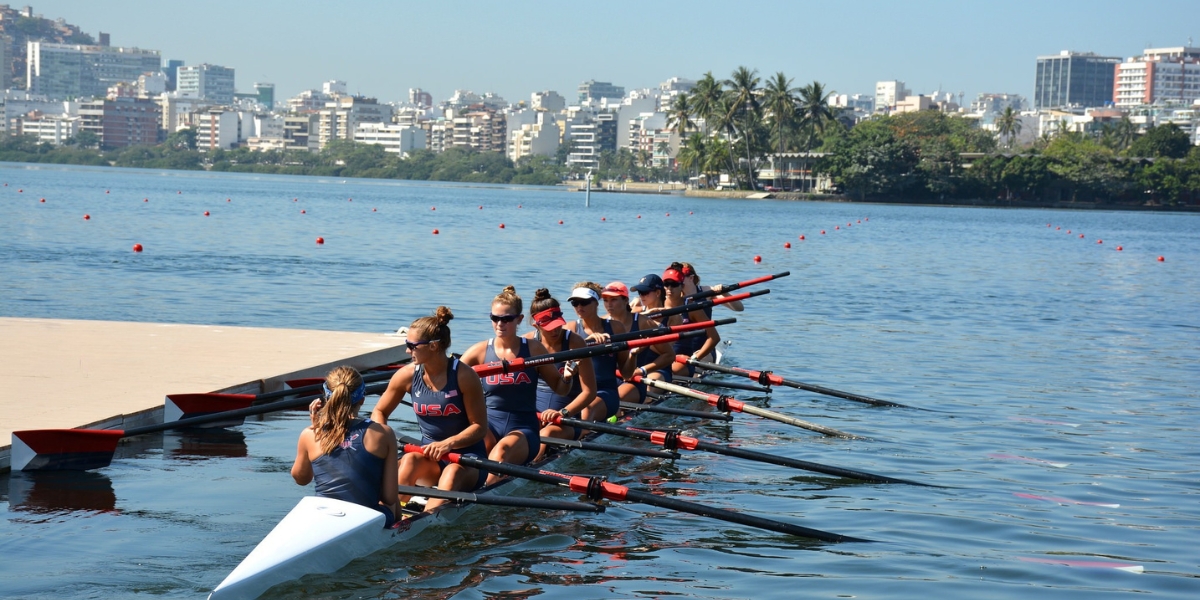
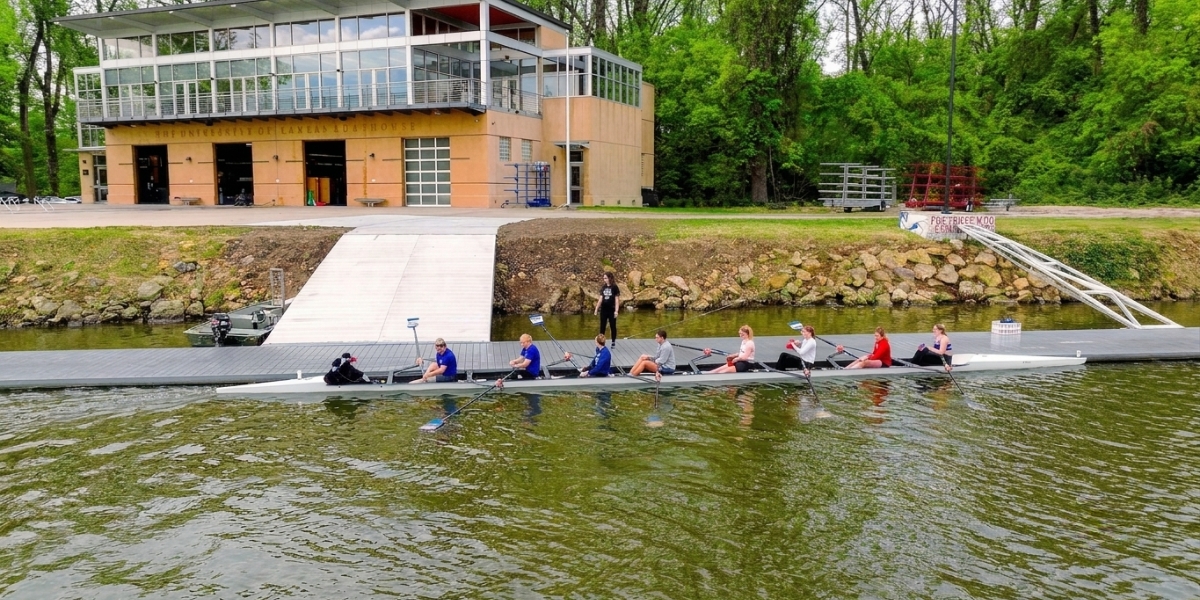
For rowing programs, dock height is not just about comfort. It affects safety, balance, ease of use, and the overall flow of practice. Racing shells are long, narrow boats that sit very low in the water. Because of that, rowers need a dock that sits close to the same level as the shell. When the dock is too high or too low, getting into the boat becomes harder, slower, and riskier.
A good way to think about it is this: the dock is the bridge between the land and the shell. If that bridge is at the wrong height, every launch and every landing becomes more difficult than it should be.
Why rowing dock height matters so much
Unlike many other boats, rowing shells are not designed for easy step-in access from a high platform. They are built for speed. That means they are lightweight, narrow, and very sensitive to movement. Even a small shift in body weight can affect balance.
That is why rowing dock height matters so much.
- Racing shells sit only a few inches above the water
- Rowers enter from the side, not from the center
- Athletes often carry the shell carefully into position before launching
- The boat can tip if weight is placed unevenly
- Coaches need athletes to get in and out quickly during practice
A dock that is only a few inches too high can force rowers to step down too far into the shell. That may not sound like a big problem, but in rowing, a few inches can completely change how stable the entry feels. On the other hand, a dock that sits too low may let water wash over the surface or create a soft, unstable feeling underfoot.
Why small height changes make a big difference
Readers often wonder, “Can a few inches really matter that much?” In rowing, the answer is yes.
Small changes in dock height affect:
- How easy it is to lower your body into the shell
- How much the rower has to reach or bend
- How stable the shell feels during entry
- How quickly athletes can launch during practice or races
- How confident beginners feel when learning
For example, if a dock sits too high above the shell, a rower may have to squat, stretch, or drop into the boat awkwardly. That puts stress on the knees, hips, and lower back. It also increases the chance of wobbling the shell. If the dock sits too low, rowers may have trouble keeping their footing, especially in wet conditions.
That is why rowing dock height should never be treated like a minor design choice. It is one of the first details that should be planned when building or upgrading a rowing launch area.
Why racing shells need a lower dock profile
Racing shells are very different from fishing boats, pontoons, or powerboats. Most standard docks are built for those larger types of watercraft, which sit much higher above the waterline. Rowing shells do not.
A rowing shell is designed to glide with very little resistance. To do that, it rides low in the water and has a very narrow shape. This design helps speed, but it also means the shell is less forgiving when someone steps in.
That is why rowing facilities usually need a much lower dock profile than a typical marina or residential dock.
When the dock height is matched correctly to the shell:
- Rowers can transfer weight more smoothly
- The shell stays more stable during entry
- Coaches can move crews through practice faster
- Teams reduce the risk of slips, falls, and equipment damage
What Is Freeboard and Why Does It Matter?
Freeboard is the height of the dock above the waterline. In simple terms, it tells you how high the dock surface sits compared to the water below. When people talk about rowing dock height, they are usually talking about freeboard.
This measurement matters because it determines how well the dock lines up with the boat. In rowing, that alignment is critical. A dock is not just a place to stand. It is part of the launch process.
Typical freeboard range for rowing docks
Most rowing docks have a freeboard in the range of 6 inches to 10 inches. That range works well for many rowing programs, but the best height depends on several factors, such as:
- The type of shells being used
- The age and skill level of the rowers
- Water conditions at the site
- Whether the dock is fixed or floating
- The dock material and flotation system
Many competitive rowing programs prefer a lower freeboard because it better matches racing shells. Recreational or mixed-use programs may use a slightly higher range if they need to serve different users or boat styles.
Why freeboard needs to be accurate
Some buyers assume that as long as the dock is “close enough,” it will work. In rowing, close enough is often not good enough.
Freeboard needs to be accurate because it directly affects the step into the shell.
- Too high: rowers must lower themselves too far into the boat
- Too low: water may splash onto the dock, and footing may feel less secure
- Correct height: rowers can enter smoothly with better balance and less strain
This balance improves both safety and performance. It also makes practices run more smoothly, especially for teams launching several boats in a short period of time.
What happens if freeboard is too high?
A dock with too much freeboard creates a bigger drop from the dock to the shell. That can cause several problems:
- Rowers may lose balance while stepping in
- The shell may roll or tip during entry
- Beginners may feel nervous or unsure
- Athletes may put extra strain on joints and muscles
- Launching takes longer
This is especially important for youth teams, school programs, and clubs with newer rowers. A dock that feels awkward can make the sport harder to learn.
What happens if freeboard is too low?
A dock that sits too low may seem like a better choice, but it brings its own set of problems.
- Water can wash over the surface more easily
- The dock may feel less stable under foot
- Wet conditions can make slipping more likely
- Equipment can be harder to handle if the platform feels too close to the water
The goal is not to make the dock as low as possible. The goal is to find the right freeboard for the shells, the rowers, and the site.
Why freeboard matters for safety
Readers also often ask, “Is freeboard mainly about convenience, or is it also a safety issue?” It is absolutely a safety issue.
When dock height is right, rowers can move in a more controlled way. They do not have to overreach, twist, or drop their body weight sharply into the shell. That reduces the chance of:
- Slips
- Falls
- Tipped shells
- Strained muscles
- Awkward loading and unloading
For coaches and facility managers, that makes proper freeboard one of the most important parts of dock planning.
Why freeboard matters for performance
Freeboard also affects performance in a practical way. Even though the dock itself is not part of the race, it shapes the beginning and end of every session.
When rowers can get in and out of the shell easily:
- Practice starts faster
- Athletes stay more relaxed
- Coaches can manage crews more efficiently
- Equipment is less likely to be bumped or damaged
Over time, those small improvements add up. A better launch setup creates a better daily experience for the whole program.
How Rowing Dock Height Affects Performance
Rowing is a sport where small details matter. Dock height is one of those details.
Easier entry and exit
When rowing dock height is correct, rowers can:
- Step into the boat without hesitation
- Stay balanced during entry
- Exit quickly after training
This helps teams move faster during practice and races.
Lower risk of injury
Poor dock height can lead to strain on the body. Common issues include:
- Back strain from bending too much
- Knee stress from uneven stepping
- Muscle tension from trying to stay balanced
A properly designed dock reduces these risks.
Better experience for beginners
New rowers often struggle with balance. A well designed dock helps them feel more stable and confident.
- Easier learning process
- Fewer mistakes during entry
- More comfortable training sessions
Why Rowing Floating Docks Work Best
The advantage of rowing floating docks
Water levels change throughout the year. Fixed docks stay in one place, which means their height changes compared to the water.
Rowing floating docks move with the water. This keeps the rowing dock height consistent.
Benefits of rowing floating docks
- Maintain the same height in changing water levels
- Provide a stable surface for rowers
- Adjust to tides, rain, and seasonal changes
- Work well in many different environments
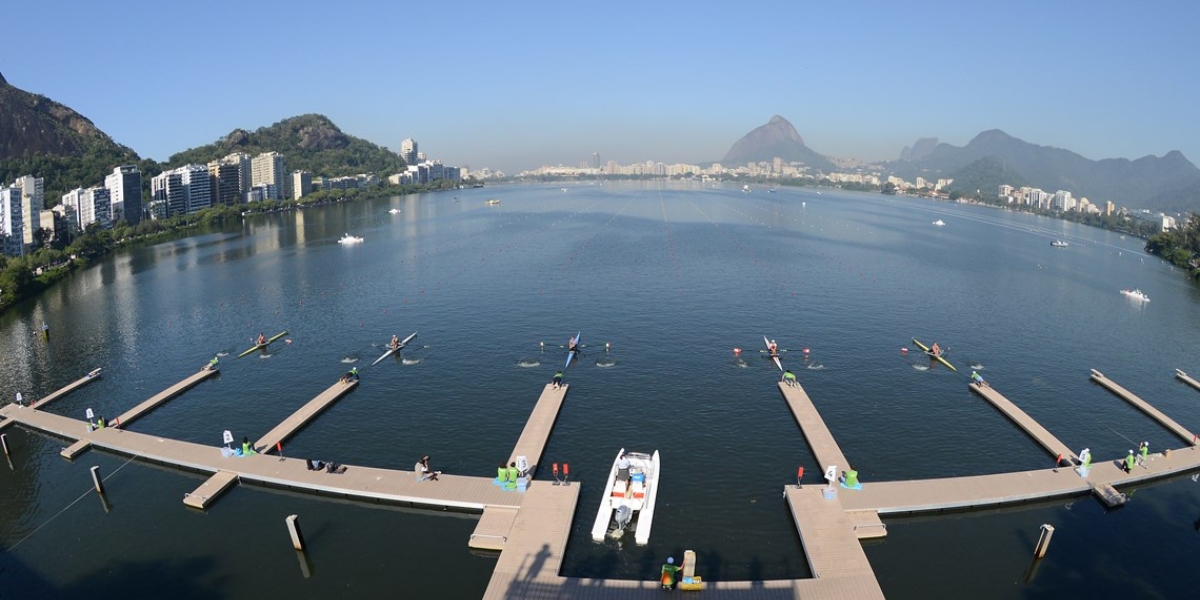
Because of these benefits, most modern rowing facilities use floating docks.
What Affects Rowing Dock Height?
Choosing the right rowing dock height depends on several factors.
Boat type
Different boats sit at different heights:
- Single sculls sit very low
- Larger boats sit slightly higher
- Recreational boats may vary
Your dock should match the boats you use most often.
Water conditions
Calm water makes it easier to maintain a consistent dock height. Rough water can affect stability.
Floating docks help adjust to these conditions.
Dock materials
The materials used in the dock affect how it floats:
- Aluminum frames provide strength
- Floats control how high the dock sits
- Decking adds weight and stability
Each part plays a role in final height.
Who will use the dock
Think about your users:
- Competitive teams
- Youth programs
- Recreational rowers
- Adaptive rowing programs
Each group may need a slightly different setup.
Recommended Rowing Dock Height by Use
Here is a simple guide to help you choose the right height.
| Use Type | Recommended Height | Notes |
| Competitive rowing | 6 to 8 inches | Best for racing shells |
| Mixed use | 7 to 9 inches | Works for different users |
| Recreational rowing | 8 to 10 inches | Easier for beginners |
| Adaptive rowing | Custom height | Based on specific needs |
These ranges are starting points. Final height should match your location and users.
Common Mistakes to Avoid
Many people make mistakes when choosing rowing dock height. Here are a few to watch for.
Using standard dock heights
Most docks are not built for rowing. Using a general dock height can cause problems.
Ignoring water level changes
Fixed docks do not adjust with the water. This leads to inconsistent height over time.
Not thinking about real use
A dock may look good on paper but not work well in practice. Always think about how rowers will use it.
Skipping testing
Testing the dock with real boats can help you find the right height before final installation.
Why Stability Matters Too
Height is important, but stability is just as important.
What makes a dock stable
- Wide platform for better balance
- Strong connections between sections
- Proper anchoring system
- Even weight distribution
How stability supports height
Even if the height is correct, a dock that moves too much can still cause problems. Stability helps rowers feel secure.
How Modular Docks Help Adjust Rowing Dock Height
Modern docks are often modular. This means they can be adjusted over time.
Benefits of modular systems
- Easy to change layout
- Ability to adjust height if needed
- Simple to expand as programs grow
- Replace parts without rebuilding everything
This flexibility makes it easier to maintain the right rowing dock height.
Real World Example
A rowing club switched from a fixed dock to a floating dock system.
Before
- Dock height changed with water levels
- Rowers had trouble during low water periods
- Training sessions were slower
After
- Dock height stayed consistent
- Entry became easier and safer
- Coaches noticed fewer balance issues
This shows how important rowing dock height is in real use.
How Dock Height Affects Facility Design
Rowing dock height also affects other parts of your facility.
Things to consider
- Gangway slope and connection
- Storage areas and boat flow
- Safety space around the dock
- Accessibility for all users
All of these should match your dock height.
Frequently Asked Questions About Rowing Dock Height
What is the best rowing dock height?
Most rowing programs use a height between 6 and 8 inches. This works well for racing shells and experienced rowers.
Why is rowing dock height important?
It affects safety, balance, and performance. A poor height makes it harder to enter the boat.
Are rowing floating docks better?
Yes, rowing floating docks keep a consistent height as water levels change. This makes them a better option for most facilities.
Can dock height be changed later?
Yes, especially with modular systems. You can adjust floats or materials to change the height.
What happens if the dock is too high?
Rowers may lose balance when entering the boat. This can lead to slower training and possible injury.
How do water levels affect dock height?
Water levels can change daily or seasonally. Floating docks move with the water, keeping the height consistent.
Key Takeaways
- Rowing dock height affects safety and performance
- Most docks range from 6 to 10 inches above the water
- Rowing floating docks provide consistent height
- Stability is just as important as height
- Modular docks allow future adjustments
Get the Right Rowing Dock Height for Your Needs
Choosing the right rowing dock height can make a big difference in how your facility operates. When the height is correct, rowers feel more confident, training runs smoother, and safety improves.
If you are planning a new dock or upgrading your current setup, take the time to get this detail right. A floating dock system can help maintain the correct height in changing conditions.
To learn more about your options, explore floating dock solutions or contact us for more information.

AccuDock is a global leader in the design and manufacturing of Floating Docks
CALL 954.785.7557 OR EMAIL [email protected] FOR MORE INFORMATION


