

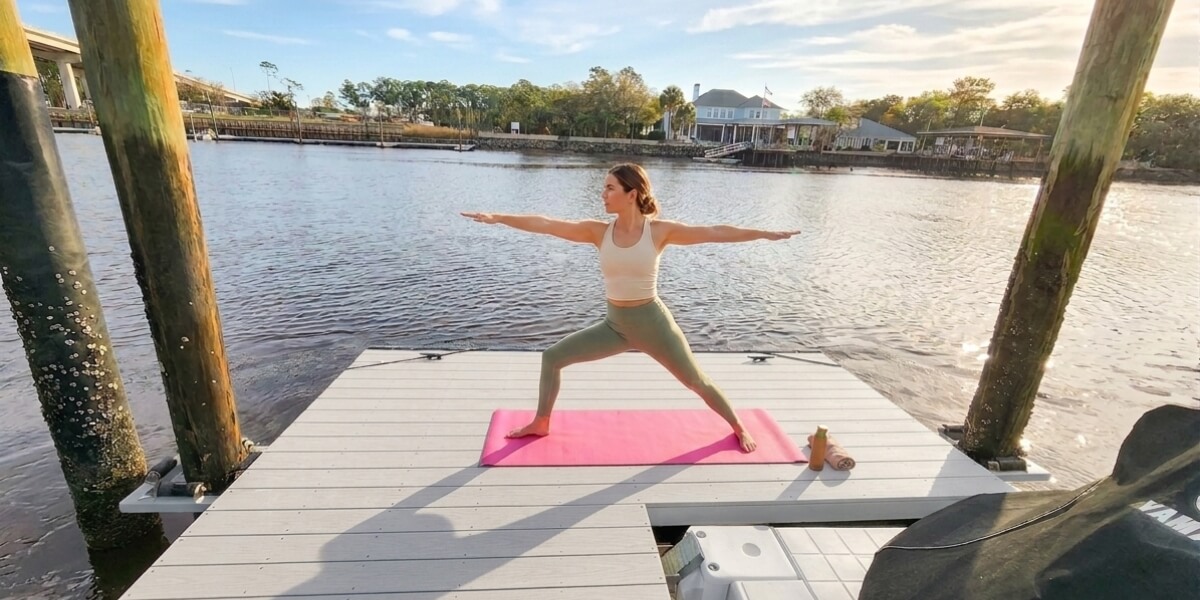
From Sunrise Yoga to Sunset Sips: A Day in the Life of a Leisure Dock
A leisure dock can turn an ordinary waterfront into a flexible outdoor space for movement, rest, meals, and time with family. Instead of thinking of a dock as only a place to step on and off a boat, many homeowners now see it as a daily-use extension of their yard.
From sunrise yoga to sunset drinks, the right dock layout can support a full day by the water without feeling crowded or hard to manage. A well-planned leisure dock gives you space to stretch, swim, sit, store gear, host friends, and enjoy the view at a pace that feels natural.
The key is matching the dock to your lifestyle. Some waterfront homeowners want a quiet spot for coffee and reading. Others want room for paddleboards, kids, guests, pets, and weekend meals. Many want all of the above. That’s where thoughtful design, good materials, safe access, and smart seating come together.
AccuDock’s purpose-built recreational dock systems are designed for residential, commercial, and community waterfront settings where comfort, access, and long-term use matter. Let’s walk through a full day on the water and look at how the right leisure dock can support every part of it.
Morning Calm: Starting the Day on Your Leisure Dock
The best mornings by the water often start quietly. A flat, stable dock surface gives you a clean place to roll out a yoga mat, sip coffee, stretch, meditate, or watch the sunrise before the day gets busy.
A leisure dock works especially well for morning routines because it creates a defined space close to the water. You don’t have to carry everything down to a beach or balance on uneven ground. You can step outside, bring your mat or chair, and settle in.
For yoga, light exercise, or simple stretching, stability matters. A dock that feels steady underfoot helps people move with more confidence. It also makes the space more welcoming for guests who may not be used to standing on floating structures.
Health can be part of the routine, too. The CDC’s adult physical activity guidelines recommend 150 minutes of moderate-intensity activity per week, and a dock can make light movement easier to fit into everyday life. A few minutes of stretching, balance work, or paddle prep in the morning can help make the waterfront feel like part of your regular routine rather than a once-in-a-while treat.
Morning Setup Ideas
A simple morning setup can include:
- A dry storage bin for yoga mats, towels, and sunscreen
- A small side table or built-in storage bench for coffee and water bottles
- Open deck space that stays free of loose furniture
- Non-slip walking paths from shore to the main sitting area
- Shade nearby for after your workout or stretch session
Small choices make a big difference. Clear space keeps the dock useful, while storage keeps the area from looking cluttered. For more ideas on turning a dock into a comfortable outdoor living area, AccuDock’s guide to patio dock planning ideas is a helpful place to start.
Late Morning: Swimming, Paddling, and Easy Water Access
Once the sun is higher, the leisure dock often shifts from quiet retreat to activity zone. This is when people start swimming, launching paddleboards, easing into kayaks, or getting ready for a boat ride.
A good dock should make these activities feel simple. That means thinking about entry points, ladders, freeboard height, storage, and traffic flow. Freeboard refers to the distance between the waterline and the top of the dock surface. Lower access points can be helpful for paddling and swimming, while other areas may be better for sitting, walking, or tying off small watercraft.
Families often benefit from separating active and quiet zones. One side of the dock can support swimming or paddling, while another area stays open for sitting, snacks, and gear. This layout helps reduce crowding and makes the dock easier to use when several people are outside at once.
For homeowners who want swimming to be a major part of the design, floating swim dock platform options can help create a more useful water-entry area. These platforms can be designed for recreation, camps, parks, and residential use, depending on the site and the project goals.
Safety Comes First
Water access should always be planned with safety in mind. The U.S. Coast Guard’s 2024 recreational boating statistics list operator inattention, improper lookout, operator inexperience, excessive speed, and machinery failure among the top primary contributing factors in boating accidents. Even around a private dock, clear visibility and careful movement matter.
For daily leisure use, consider:
- Keeping ladders, launch areas, and walking paths easy to see
- Placing life jackets where people can reach them fast
- Storing ropes, paddles, and loose gear away from foot traffic
- Adding lighting if the dock is used near dusk or after dark
- Setting simple rules for kids and guests before anyone gets in the water
A leisure dock should feel relaxing, but it should also be set up with practical safety habits in mind.
Midday Comfort: Choosing Dock Seats That Work for Real Life
By midday, comfort becomes the focus. This is when dock seats, shade, and layout matter most. People want to sit after a swim, eat lunch, watch kids in the water, or enjoy the breeze without dragging heavy furniture back and forth from the house.
The best dock seats are practical for outdoor use. They should handle moisture, sun, wind, and frequent movement. They should also fit the dock’s layout without blocking access points or creating trip hazards.
Some homeowners prefer built-in benches because they stay in place and create a clean look. Others like movable chairs because they can shift with the sun or the conversation. Both can work well, as long as the seating plan supports the way the dock will be used.
What to Look for in Dock Seats
When choosing dock seats, focus on comfort, durability, and placement. A good seating area should make the dock more useful without getting in the way.
| Seating Choice | Best For | What to Consider |
| Built-in benches | Clean layouts and frequent use | Great for saving space, but less flexible |
| Folding chairs | Casual visits and small docks | Easy to move, but should be stored in wind |
| Lounge chairs | Sunbathing and reading | Need more deck space |
| Storage benches | Towels, toys, and gear | Helpful when clutter is a concern |
| Dining-style chairs | Meals and sunset drinks | Pair with stable tables and open walkways |
Dock seats should also be placed with the view in mind. A bench facing the water may become the most-used spot on the property. AccuDock can custom make benches to match the over aesthetic of your floating dock. A few movable chairs near the edge can make afternoon conversations feel more relaxed. For families, seating with a clear line of sight to swim areas is often the best choice.
Afternoon Shade, Snacks, and Flexible Living Space
Afternoons on the water can be hot, bright, and busy. A leisure dock should give people places to cool off, rest, and reset between activities. Shade, storage, and smart traffic flow help make the dock easier to use during the warmest part of the day.
The National Weather Service recommends broad-spectrum sunscreen with SPF 30 or higher and reapplication every two hours, or after swimming, sweating, or toweling off, in its UV safety guidance. A shaded sitting area can also help make the dock more comfortable during peak sun hours.
Some waterfront owners add umbrellas or shade sails. Others prefer a more defined covered structure. AccuDock’s floating gazebo and patio dock options can help create a more comfortable space for relaxing, dining, and hosting near the water.
Smart Afternoon Zones
A flexible dock layout can include:
- Shaded seating for reading, snacks, or cooling off
- Dry storage for towels, toys, and small gear
- Clear pathways for moving between shore, seating, and water access
- Small dining or snack spots that don’t block launch points
- Swim or paddle zones set apart from quiet seating
The goal is not to fill every square foot. It is to make the dock easier to use throughout the day. When each area has a purpose, the whole space feels more natural.
AccuDock’s article on top dock accessories for day-to-day comfort is a good resource for thinking through practical add-ons like ladders, bumpers, storage, and lighting.
Evening Entertaining: From Dinner by the Water to Sunset Sips
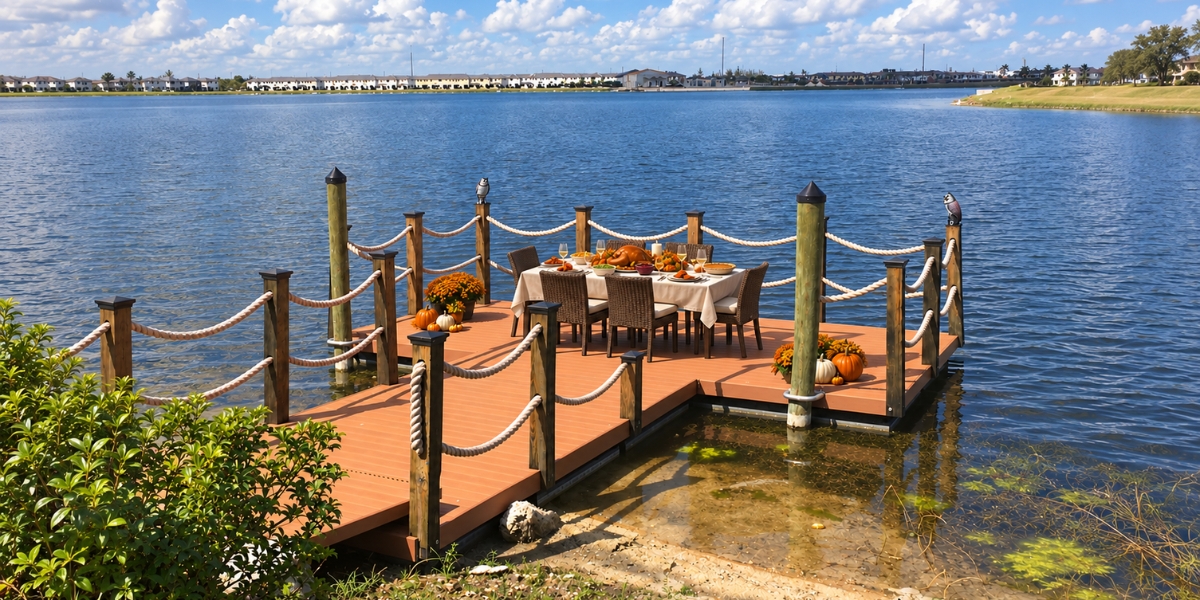
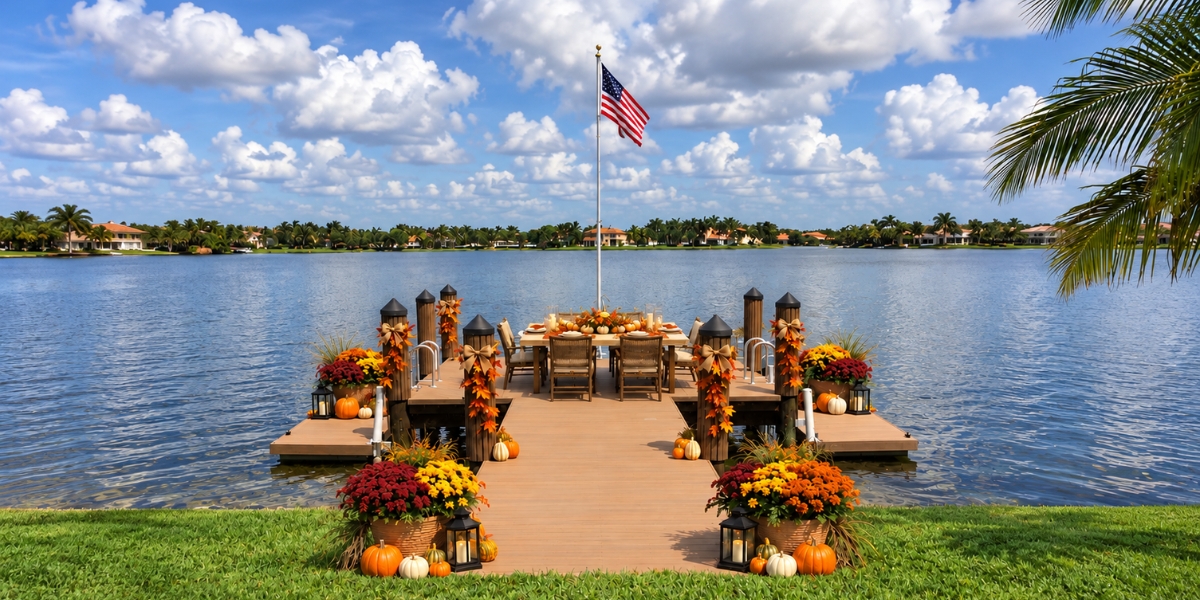
As the day cools down, the leisure dock becomes a gathering space. This is when families bring out dinner, neighbors stop by, and guests settle into dock seats to watch the sunset.
Evening use calls for a slightly different setup than daytime activities. Lighting becomes more important. So does seating placement, table space, and safe movement between the dock and shore. If people are carrying food, drinks, or bags, the walkway needs to stay clear.
A dock can also act as a casual outdoor dining room. It does not need to be formal. A small table, a few chairs, and a clear view can be enough. For larger gatherings, modular planning can help create separate zones for food, conversation, and water access.
AccuDock’s article about floating platforms for entertaining gives more ideas for using dock space as a social area without losing function.
Hosting Without Overcrowding
A comfortable dock gathering starts with a realistic guest count. Too much furniture, too many coolers, or too many loose items can make the space feel tight. Instead, plan the layout around how people will move.
Good hosting habits include:
- Keeping the main walking path open
- Using stable tables for food and drinks
- Placing lights along changes in level or direction
- Keeping swim areas separate from dining areas
- Moving extra chairs into place only when needed
For casual events, AccuDock’s dock party planning ideas can help you think through layout, comfort, and safety before guests arrive.
Planning a Leisure Dock Around Your Lifestyle
No two waterfront properties are exactly alike. A dock on a calm lake may need a different layout than one on a river, marina, or coastal site. Water depth, wave action, shoreline shape, access needs, and local rules can all affect the design.
That is why a leisure dock should start with lifestyle questions, not product questions. Before choosing size, layout, or accessories, think about how you want the space to work.
Ask yourself:
- Will the dock be used mostly by adults, kids, guests, or all three?
- Do you want space for swimming, paddling, boating, or relaxing?
- How often will you host meals or gatherings?
- Do you need storage for towels, life jackets, fishing gear, or paddle equipment?
- Will anyone using the dock need easier access or extra stability?
- How much shade do you want during the afternoon?
- Do local rules affect dock size, placement, or lighting?
For homeowners planning a long-term waterfront upgrade, AccuDock’s residential waterfront dock projects page can help connect design ideas to real residential needs.
Modular Design Makes Change Easier
One benefit of a modular floating dock system is that it can be planned around current and future use. A young family may start with swimming and paddleboarding in mind. Later, the same property may need more seating, better storage, or space for quiet relaxation.
A modular layout can make it easier to plan in stages. You can think about where seating might go now, where a shaded area could fit later, and how water access should work as needs change.
AccuDock’s guide on getting the best use of your floating dock offers more practical ideas for making dock space work harder without overloading it.
Materials, Maintenance, and Everyday Durability
A leisure dock is only enjoyable if it is easy to care for. Since it sits in a wet, sunny, and changing environment, materials matter. Dock surfaces should be made for outdoor exposure, regular foot traffic, and waterfront conditions.
Durability is not only about strength. It is also about comfort, upkeep, and long-term value. A dock that needs constant attention can become more of a chore than a retreat. A dock that is easy to clean and inspect is more likely to be used often.
Key material and maintenance factors include:
- Decking that feels comfortable underfoot
- Hardware suited for waterfront exposure
- Floatation designed for the expected use and conditions
- Surfaces that are easy to rinse and keep clear
- Attachment methods that match the shoreline and water movement
Routine care is also important. Remove loose debris, check hardware, rinse surfaces when needed, and look for wear after storms or heavy use. Small checks can help catch issues before they become bigger problems.
Keeping the Dock Clean and Guest-Ready
A leisure dock often becomes part of the home’s outdoor living space, so cleanliness matters. It does not have to look perfect every day, but it should feel ready to use.
A simple weekly routine can help:
- Clear leaves, sand, and loose items from the walking surface
- Rinse areas where food, drinks, or sunscreen may spill
- Check that dock seats are dry, stable, and in good shape
- Store loose cushions, towels, and toys when not in use
- Inspect ladders, bumpers, and accessories for movement or damage
For waterfront users who care about the surrounding environment, small habits also matter. The National Park Service’s Leave No Trace Seven Principles include planning ahead, disposing of waste properly, respecting wildlife, and leaving natural areas as you found them. Those ideas fit well with daily dock use, especially around lakes, rivers, parks, and shared waterways.
Common Leisure Dock Layout Mistakes to Avoid
A dock should make waterfront living easier. Still, some design choices can make the space harder to use over time.
One common mistake is trying to fit too many activities into too small of a layout. A dock used for swimming, dining, storage, and launching paddleboards needs clear zones. Without them, people may feel cramped.
Another mistake is buying furniture before planning traffic flow. Dock seats should support the space, not block it. Start with walking paths, water access, and safety needs, then choose seating that fits.
Poor storage planning is also common. Towels, floats, paddles, life jackets, and cleaning supplies all need a home. Without storage, clutter builds fast.
Finally, some homeowners forget about evening use. Lighting, safe walkways, and stable seating can make the difference between a dock that is only useful during the day and one that works from sunrise to sunset.
Frequently Asked Questions About a Leisure Dock
What is a leisure dock used for?
A leisure dock is used for everyday waterfront enjoyment. It can support swimming, sitting, sunbathing, yoga, paddle sports, casual meals, and small gatherings. The best layout depends on how you use your property. Some owners want a quiet retreat, while others want a flexible space for family and guests.
How do I choose the right size leisure dock?
Start by listing your main activities. A dock used only for sitting and swimming may not need as much space as one used for dining, paddling, and hosting. Think about seating, storage, walking paths, and safe water access. A custom layout can help match the dock size to the property and lifestyle.
What dock seats work best for a floating dock?
The best dock seats are weather-ready, stable, and sized for the available space. Built-in benches work well for clean layouts, while movable chairs give you more flexibility. Storage benches can also be useful because they combine seating with a place for towels, cushions, and gear.
Can a leisure dock include a shaded area?
Yes, many leisure dock layouts can include shade features. Depending on the site, homeowners may use umbrellas, shade sails, or covered patio-style structures. Shade is especially helpful for afternoon use, meals, and longer gatherings. It can also make the dock more comfortable for kids and older guests.
Is a leisure dock good for families?
A leisure dock can be a great fit for families when it is planned with safety, access, and storage in mind. Clear walking paths, visible swim areas, secure ladders, and smart seating placement all help. Families should also keep life jackets nearby and set simple rules for guests and children.
How can dock seats improve daily dock use?
Dock seats make the space more inviting. They give people a place to dry off, talk, watch the water, or enjoy meals. The right seating plan can also help divide the dock into zones for relaxing, swimming, and hosting. Good placement is just as important as the seating style.
Does a leisure dock need special maintenance?
A leisure dock needs regular basic care, including clearing debris, rinsing surfaces, checking hardware, and storing loose items. Maintenance needs depend on the materials, location, weather, and use level. A well-built dock with practical materials is usually easier to keep clean and ready for daily use.
Make Every Part of the Day Better With a Leisure Dock
A leisure dock can support the best parts of waterfront living, from quiet sunrise stretches to sunset sips with friends. With the right layout, seating, shade, storage, and water access, your dock can become more than a place to pass through. It can become one of the most-used spaces on your property.
The best design starts with how you want to live by the water. Think about your mornings, afternoons, evenings, guests, hobbies, and long-term plans. Then build a dock layout that supports those moments in a safe, practical, and comfortable way.
If you’re ready to plan a dock that fits your waterfront lifestyle, explore AccuDock’s custom recreational dock layout options and start building a space that works from sunrise to sunset.


AccuDock is a global leader in the design and manufacturing of Floating Docks
CALL 954.785.7557 OR EMAIL [email protected] FOR MORE INFORMATION


