

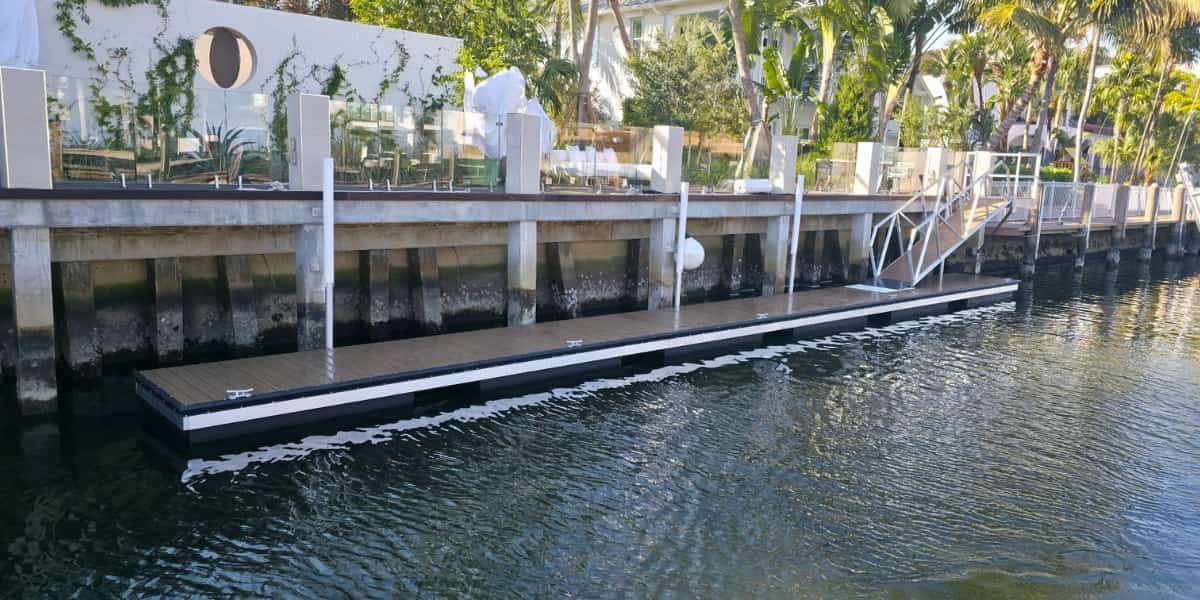
Best Decking for Docks: Wood vs PVC
Choosing the best decking for docks is a bigger deal than most people think. Your dock decking isn’t just “the surface you walk on.” It affects safety, comfort, how often you’ll need repairs, and how long your dock will last, especially when it’s sitting over water every day.
If you’re comparing options, you’re probably looking at the two most common choices: wood vs. PVC. Both can work, but they perform very differently over time.
Let’s break it down in a simple, honest way so you can pick the best fit for your dock.
Why the Decking Matters So Much on a Dock
When you’re choosing the best decking for docks, it helps to remember one simple thing:
A dock isn’t like a normal backyard deck.
A backyard deck might get rained on and dry out. A dock gets hit with water, sun, and movement day after day, and often all at once. That extra stress is why dock decking needs to be tougher, safer, and more weather-ready than most people expect.
Here’s what docks deal with that regular decks usually don’t.
Constant Moisture and Splashing
Water is always around a dock. Even if the boards aren’t “underwater,” they’re constantly getting:
- Splash from waves and wakes
- Water dripping off wet feet and gear
- Rain that pools and drains slowly
- Mist and humidity that never fully goes away
Over time, moisture can cause problems like swelling, warping, rot (in some materials), and slippery buildup on the surface. That’s why the best decking for docks is often the option that handles water without breaking down or getting unsafe.
Why this matters to you: If your dock surface stays wet a lot, you’ll want decking that won’t turn into a maintenance headache, or a slipping hazard.
Sun Exposure All Day (UV Rays)
Docks usually sit out in full sun with no shade. That means the decking gets baked by UV rays for hours every day.
UV exposure can lead to:
- Fading and discoloration
- Drying and cracking (especially in wood)
- Surface breakdown over time
Sunlight also affects comfort. Some materials can get hot enough to make barefoot walking unpleasant.
Why this matters to you: A dock that looks great in year one can look tired by year three if the decking can’t handle constant sun.
Movement From Waves, Wakes, and Changing Water Levels
Floating docks are designed to move. That’s a good thing, because that’s how they stay usable when water levels rise and fall.
But movement creates extra stress on the decking surface because:
- Connections shift slightly over time
- Waves and wakes add vibration and flex
- Hardware can loosen if materials expand/contract a lot
This is where “normal deck” thinking can go wrong. A dock needs decking that stays stable and safe even with regular motion.
Why this matters to you: Decking that warps, cups, or loosens too easily can become a tripping hazard and can make your dock feel unstable.
Slippery Algae and Marine Growth
Water + sun + time = growth. Many docks develop algae or slime, especially in warm climates or still water that can make surfaces slick fast.
A few things increase slip risk:
- Smooth surfaces with no texture
- Poor drainage that leaves water sitting
- Shaded areas where algae grows faster
This is one reason many people look for dock decking with grip or texture designed for wet environments.
Why this matters to you: Safety isn’t just about material strength, because it’s also about how the surface behaves when wet.
Heavy Foot Traffic, Gear, Coolers, and Sometimes Carts
Docks aren’t just “walkways.” People use them like outdoor work areas.
Depending on your setup, your dock might handle:
- Groups of people standing in one spot
- Fishing gear, coolers, and tanks
- Kayaks, paddleboards, or boat supplies
- Marina carts (in commercial settings)
That weight and constant use can wear down decking fast, especially if boards splinter, fasteners loosen, or surfaces get gouged.
Why this matters to you: The best decking for docks should hold up to real use, not just “light strolling.”
Common Dock Decking Choices
When people say dock decking, they’re usually talking about the top surface: the boards or planks you walk on. It’s the part that gets the most sun, the most water spray, and the most wear from shoes, coolers, fishing gear, kayaks, and foot traffic.
Because docks live in a harsh environment (wet, sunny, and constantly moving), dock decking materials have to do a lot more than look nice. They need to stay safe when wet, hold up to UV rays, resist damage, and not turn into a constant maintenance project.
Here are the most common dock decking choices you’ll hear about, and what they really mean in the real world.
1. Pressure-Treated Wood Dock Decking (Most Common “Traditional” Option)
Pressure-treated wood is the option most people recognize right away. It’s widely available, familiar to work with, and usually the least expensive upfront.
Why people choose it:
- Lower starting cost
- Easy to find at most lumber yards
- Easy to cut and replace boards
- Natural wood look
What to watch out for:
- Over time, boards can warp, crack, split, or cup
- It can splinter, which matters if people walk barefoot
- Wet wood can get slippery, especially when algae grows
- It needs regular maintenance (cleaning + sealing/staining)
- Eventually, it can rot, especially in humid or coastal conditions
Best fit for: smaller residential docks, seasonal use, buyers who don’t mind upkeep.
2. Hardwood Dock Decking (Like Ipe)
Hardwoods like ipe are known for being dense, strong, and naturally resistant to damage. Some people love hardwood for its high-end look.
Why people choose it:
- Beautiful appearance
- Very strong and durable
- Can hold up better than standard softwood boards
What to watch out for:
- Much higher material cost
- Heavier weight (can matter on floating dock design)
- Harder to cut and fasten (labor can cost more)
- Still needs cleaning and maintenance to keep its color and surface performance
Best fit for: premium residential docks, high-end projects where appearance is a top priority.
3. Composite Dock Decking (Wood + Plastic Blend)
Composite decking is usually a mix of wood fibers and plastic. Many homeowners know it from backyard decks, and it’s sometimes used on docks too.
Why people choose it:
- Less maintenance than wood
- More consistent look
- No staining or sealing like wood (in many cases)
What to watch out for:
- Some composite boards can feel hot in the sun
- Some types may hold moisture or stain in certain environments
- Not all composite is a great match for constant wet conditions: performance depends on the product
- Weight and structural support requirements can vary
Best fit for: moderate-maintenance buyers who want something more “finished” than wood, and who choose a composite designed for wet environments.
4. PVC Dock Decking (All-Synthetic, Built for Wet Conditions)
PVC decking is a fully synthetic decking material (no wood fibers). That matters because the biggest enemies of dock decking are water absorption and rot, and PVC doesn’t absorb water the way wood does.
Why people choose it:
- Doesn’t rot (because it doesn’t absorb water like wood)
- No splinters
- Low maintenance: usually just basic cleaning
- Many options have textured, slip-resistant surfaces
- Holds its shape well over time
What to watch out for:
- Higher upfront cost than pressure-treated wood
- Some boards can get warm in direct sun (lighter colors can help)
- Installation matters: proper fastening and spacing helps long-term performance
Best fit for: marinas, commercial docks, public access areas, and homeowners who want long-term durability with minimal maintenance.
While this guide focuses on surface materials, the underlying structure matters too, and aluminum floating docks provide a corrosion-resistant framework that complements both wood and PVC decking choices.
So Why Do Most Buyers Compare Wood vs. PVC?
Because these two options are often the most “opposite” in a helpful way:
- Wood is usually the lower-cost, traditional choice, but it tends to need more maintenance and replacement over time.
- PVC is usually the higher upfront investment, but it tends to reduce ongoing maintenance and lasts longer in harsh environments.
That’s why, when people are trying to decide on the best decking for docks, the wood vs. PVC question comes up again and again. It’s really a decision about short-term budget vs. long-term value.
Dock Decking Option 1: Wood
Wood is the classic choice. It looks natural, feels familiar, and it’s often the first thing people think of for a dock.
Types of Wood Used for Docks
- Pressure-treated lumber (most common)
- Cedar or redwood (less common, usually pricier)
- Hardwoods like ipe (very strong, very expensive)
Most docks that use wood are built with pressure-treated boards because they’re easy to find and cost less upfront.
Pros of Wood Dock Decking
Wood can be a good option if you want a traditional look and you don’t mind upkeep.
What people like about wood:
- Usually cheaper at the start
- Natural look that fits lakes and coastal areas
- Easy to cut and replace boards
- Widely available
If your dock is small or used seasonally, wood may feel like a simple solution.
Cons of Wood Dock Decking
Here’s the truth: wood takes a beating on the water.
Common problems with wood docks:
- Boards can warp, crack, or cup over time
- Wood can splinter, which is rough on bare feet
- It can become slippery from algae
- It needs regular sealing or staining
- Eventually, it can rot
Even pressure-treated wood won’t last forever when it’s constantly exposed to water and sun.
Maintenance for Wood Decking
If you choose wood, plan for ongoing maintenance like:
- Cleaning more often
- Checking for loose boards or fasteners
- Sealing or staining every year or two
- Replacing boards when they break down
This isn’t necessarily “bad,” but it’s something to be realistic about, especially for marinas and commercial docks where maintenance means time and labor.
Following comprehensive dock maintenance practices helps wood decking last longer, though it still requires significantly more work than synthetic alternatives.
Dock Decking Option 2: PVC
PVC decking is a more modern option and it’s built to handle tough environments. The biggest difference is that PVC doesn’t absorb water the way wood does.
That’s a big reason many buyers consider it the best decking for docks.
Pros of PVC Dock Decking
PVC is popular because it’s low-maintenance and long-lasting.
Benefits of PVC decking:
- Won’t rot (because it doesn’t absorb water)
- Doesn’t splinter like wood
- Holds up well in wet conditions
- Many styles have slip-resistant textures
- Easy to clean
- Stays consistent and reliable over time
If your dock is used a lot, or it needs to look good for years, PVC can be a smart investment.
Cons of PVC Dock Decking
PVC isn’t perfect, but most downsides are manageable.
Things to consider:
- Higher upfront cost than wood
- Some PVC can feel warmer in direct sun (lighter colors help)
- Installation should be done correctly for best results
For many buyers, the savings on maintenance and replacements makes the higher cost worth it.
Maintenance for PVC Decking
PVC is very low-maintenance compared to wood. Usually it’s just:
- Rinsing and cleaning when needed
- Occasional inspections (like any dock)
- No sealing or staining
If you want less ongoing work, PVC is hard to beat.
Wood vs. PVC: Side-by-Side Comparison
If you’re trying to choose the best decking for docks, it helps to compare wood and PVC the way dock owners actually experience them, not just how they look on a price sheet.
Below is a simple side-by-side comparison, followed by the “why it matters” explanations that most buyers wish they’d heard before they purchased.
Dock Decking Comparison: Wood vs. PVC at a Glance
Here’s the quick breakdown:
Upfront Cost
- Wood: Lower
- PVC: Higher
Maintenance
- Wood: Higher
- PVC: Low
Comfort & Safety
- Wood: Can splinter and get slippery
- PVC: Typically smoother, many slip-resistant options
Long-Term Durability
- Wood: Wears down faster in wet environments
- PVC: Built for moisture and sun exposure
If you’re focused on long-term performance, PVC often comes out ahead as the best decking for docks, especially in high-use, wet, sunny, or coastal areas.
Now let’s unpack why.
Upfront Cost: What You Pay Today vs. What You Pay Later
Wood usually wins on price at the start. Pressure-treated lumber is widely available and typically costs less per board than PVC.
But here’s the catch: the upfront cost is only one piece of the puzzle.
What “lower cost” can really mean with wood
Wood might be cheaper today, but it often brings:
- More frequent board replacement
- More labor over time (cleaning, sealing, repairs)
- Higher long-term cost if the dock is used a lot
What “higher cost” can really mean with PVC
PVC decking can cost more upfront, but many buyers like it because:
- It’s designed to last longer in wet environments
- You don’t have to seal or stain it
- Repairs and board swaps are typically less common
Simple way to think about it:
- If budget is the #1 priority right now, wood may feel easier.
- If you’re planning to keep the dock long-term, PVC often makes financial sense over time.
Maintenance: The “Weekend Tax” of Owning Wood
Maintenance is where most owners feel the difference the most.
Wood maintenance (higher)
Wood dock decking tends to require:
- Regular cleaning to remove algae and grime
- Inspections for warping, cracks, and loose fasteners
- Sealing or staining (often every 1–2 years depending on sun and water exposure)
- Replacing boards that split, splinter, or rot
And even if you’re careful, water and sun still do their thing.
PVC maintenance (low)
PVC usually needs:
- Occasional rinsing/cleaning
- Basic inspections like any dock (connections, fasteners, structure)
- Little to no “surface upkeep” compared to wood
What this means: If you’re a marina operator, a city, or a commercial site, low-maintenance decking matters because maintenance isn’t just annoying: it’s labor, scheduling, and downtime.
Comfort & Safety: Wet Feet, Bare Feet, and Slip Risk
This is a huge one for families, marinas, rowing/kayak facilities, and public access docks.
Wood can be comfortable, but over time it may become:
- Splintery, especially as boards age and dry out
- Uneven, as boards warp or cup
- Slippery, especially when algae or biofilm builds up
Wood also tends to show wear patterns faster in high-traffic areas.
PVC comfort & safety
PVC is often chosen for safety because it’s typically:
- Smoother and less likely to splinter
- Available in textured, slip-resistant surfaces
- More consistent underfoot over time
Important note: Not all PVC is the same. Some products have better traction textures than others. But in general, PVC is easier to keep “walk-safe” with basic cleaning.
Long-Term Durability: How Each Material Handles Water + Sun
A dock lives in a rough environment. Even freshwater docks get constant moisture, UV exposure, and movement.
How wood wears down
Wood is organic. Even pressure-treated wood can:
- Crack and split from sun exposure
- Absorb moisture and dry repeatedly (which stresses the fibers)
- Soften over time in consistently wet zones
- Develop fastener issues as boards shrink, swell, and shift
This doesn’t mean wood is “bad.” It just means wood has a life cycle, and the dock environment speeds it up.
Decking material significantly impacts overall dock longevity, which is why understanding how long do floating docks last requires considering both the structural system and the surface materials together.
How PVC holds up
PVC doesn’t absorb water the same way wood does. It’s engineered for weather exposure and tends to:
- Resist moisture damage
- Hold a more consistent surface over time
- Reduce common dock issues like rot and splintering
That’s why many buyers who want fewer surprises consider PVC the best decking for docks in the long run.
Which One Is Right for Your Dock?
Here are a few easy “match-ups” that help you decide fast:
Wood may make sense if …
- You need a lower upfront cost
- The dock is used seasonally
- You don’t mind routine maintenance
- You like the traditional wood look
PVC may make sense if …
- The dock is used year-round
- You want low maintenance
- Safety is a big concern (kids, public use, marina traffic)
- You want long-term durability and fewer board replacements
Wood and PVC can both work, but they shine in different situations. If your main goal is long-term reliability with fewer maintenance headaches, PVC often comes out ahead as the best decking for docks, especially in wet, sunny, high-traffic, or coastal environments.
So … What’s the Best Decking for Docks?
If you’re trying to pick the best decking for docks, here’s the honest answer:
It depends on your priorities: budget, maintenance, safety, and how often you use the dock.
Some people want the lowest upfront cost and don’t mind upkeep. Others want a long-lasting surface they barely have to think about. Both approaches can be “right,” as long as you choose the material that fits your real-world use.
Below is a simple way to decide, plus the most common questions people ask when comparing wood vs. PVC.
Wood Might Be Right If …
Wood is still popular for a reason. It looks natural, it’s familiar, and it can be more affordable at the start.
1. You want a lower upfront cost
If your main goal is to get a dock surface installed for the lowest initial price, wood often wins. Pressure-treated boards are usually cheaper than PVC materials.
Good fit for: smaller residential docks, tighter budgets, short-term plans.
2. You don’t mind regular maintenance
Wood needs more attention over time. In real life, that typically means:
- Cleaning more often
- Keeping an eye out for loose boards or fasteners
- Sealing or staining (often every year or two, depending on conditions)
- Replacing boards as they crack, warp, or splinter
If you’re the type who doesn’t mind doing seasonal upkeep, or you have a maintenance team, wood can work.
3. Your dock is used seasonally
If you use your dock mostly during certain months and you’re able to clean and maintain it during the off-season, wood can be a practical option.
Example: A lake dock that’s used heavily in summer but quiet the rest of the year.
4. You like the natural look of wood
Some owners just love the warm, classic look of real wood. If that visual matters most to you, wood can deliver that traditional dock style.
But a friendly warning: wood’s appearance can change quickly in sun and water, especially without consistent maintenance.
PVC Might Be Right If …
PVC decking is often chosen by buyers who want long-term performance with less work.
1. You want a long-lasting surface
PVC doesn’t absorb water the same way wood does. That matters because constant moisture is one of the biggest reasons wood breaks down over time.
PVC is built to handle wet environments and sunlight better, which is why many people see it as the best decking for docks when durability is the priority.
2. You want less maintenance
This is usually the biggest reason people choose PVC.
With PVC, you’re typically looking at:
- Simple cleaning (rinse and wash as needed)
- Less worry about splinters, rot, or frequent board replacement
- No sealing or staining schedules
If you want to spend more time enjoying the dock and less time working on it, PVC is a strong option.
3. Safety is a big concern (public docks, marinas, ADA use)
If people are walking on your dock barefoot, carrying gear, or moving carefully (kids, older adults, visitors), safety matters a lot.
Many PVC options are designed with slip-resistant textures, and they don’t splinter like wood can.
That’s a big reason PVC is often used for:
- Marinas
- Public access docks
- Government and commercial projects
- ADA focused dock designs
4. Your dock is used year-round
If your dock is always in use, like for fishing, boating, launching kayaks, or daily marina foot traffic, PVC can make more sense because it holds up well and doesn’t demand the same upkeep schedule as wood.
How Dock Decking Fits Into Your Floating Dock System
Your dock is a complete system, not just a few boards over water. For a truly durable build, the deck surface must be expertly integrated with the frame, connections, and the way the dock reacts to fluctuating water levels.
AccuDock designs modular floating dock systems customized for any application from residential and rowing docks to complex marina, commercial, and government projects.
When comparing wood versus PVC, look beyond the initial price tag. While wood is a viable short-term option, PVC is often the superior choice for dock decking. It is AccuDock’s preferred material for those seeking long-lasting performance and minimal maintenance. Ultimately, the right choice depends on your specific usage, the people using it, and your long-term commitment to upkeep.
Planning a new floating dock or upgrading an existing one? Contact AccuDock to explore modular systems and decking options tailored to your project goals.
AccuDock is a global leader in the design and manufacturing of Floating Docks
CALL 954.785.7557 OR EMAIL [email protected] FOR MORE INFORMATION


