

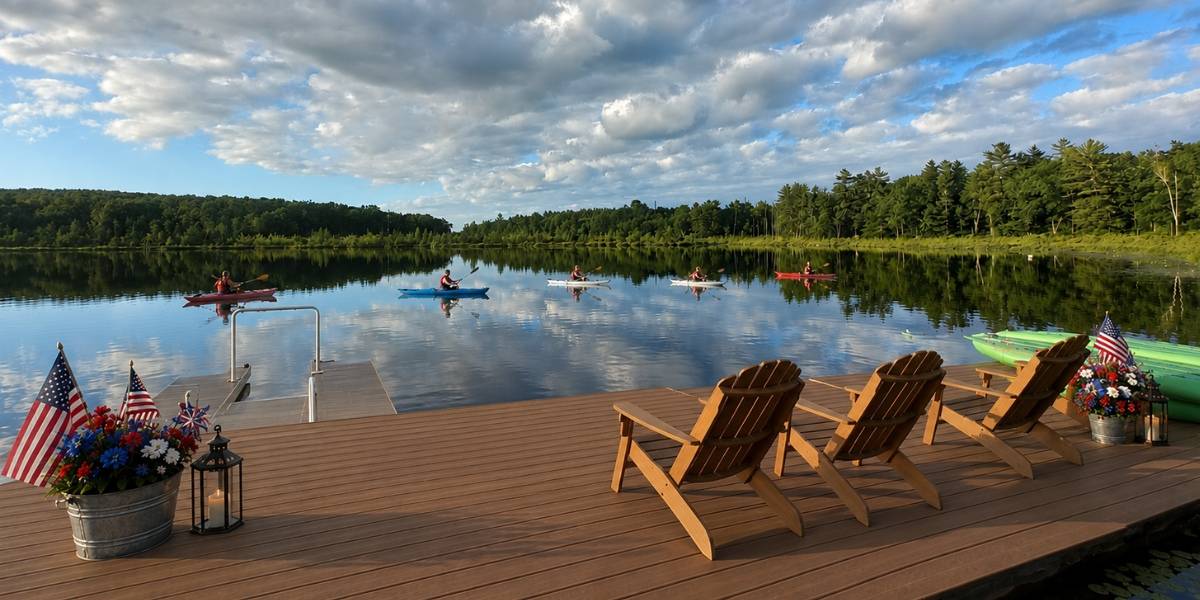
The Fourth of July is one of the most exciting times of year to get out on the water. Lakes, rivers, bays, and coastal waterways come alive with boat parades, family gatherings, fireworks displays, and outdoor recreation. For kayakers, the holiday offers a chance to enjoy scenic paddling routes, explore waterfront celebrations, and spend quality time outside.
At the same time, the holiday weekend creates unique challenges that make kayak safety more important than ever. Increased boat traffic, crowded launch areas, changing weather conditions, and nighttime activities can all raise the risk for paddlers who are not properly prepared.
Whether you are planning a short paddle around your local lake or spending the entire day on the water, understanding the right safety practices can help you enjoy the holiday while reducing potential hazards. This guide covers what to know before launching your kayak this Fourth of July, including launch planning, visibility, life jackets, weather, family safety, and smart dock access.
Why Kayak Safety Matters More on the 4th of July
Many waterways experience some of their busiest days of the year during Independence Day celebrations. Recreational boaters, personal watercraft operators, paddleboarders, anglers, and kayakers often share the same space.
According to the U.S. Coast Guard Recreational Boating Statistics, operator inattention, improper lookout, operator inexperience, and excessive speed are common contributing factors in boating accidents. These risks matter even more for kayakers because kayaks sit low in the water and can be harder for larger vessels to see.
During holiday weekends, paddlers may encounter:
- Heavy boat traffic near marinas, ramps, and waterfront events
- Wake from larger vessels and personal watercraft
- Crowded launch sites with limited space
- Reduced visibility around sunset and fireworks displays
- Afternoon thunderstorms and changing wind conditions
- Distracted or inexperienced boat operators
- Busy parking areas and delayed access to the water
Good kayak safety starts before your paddle touches the water. Planning ahead helps you avoid crowded zones, choose safer launch times, and prepare for conditions that may change throughout the day.
Plan Your Route Before Launching
One of the most overlooked parts of kayak safety is route planning. Many paddlers arrive at the water and decide where to go once they get there. That may work on a quiet weekday, but it is not the best approach during a busy holiday weekend.
Before launching, review the area where you plan to paddle. Look for boat channels, marina entrances, bridges, current patterns, shallow areas, and possible exit points. You should also know where fireworks displays, boat parades, or public waterfront events are scheduled.
A simple route plan should include:
- Launch location
- Planned destination or turnaround point
- Backup exit location
- Expected paddle time
- Weather and wind conditions
- Areas where boat traffic may be heavy
- A check-in time with someone on shore
If you are new to launching, AccuDock’s guide on how to launch a kayak from a ramp can help you understand basic launch steps before you arrive.
Tell a friend or family member where you are going and when you expect to return. This is especially important if you are paddling alone or exploring a new area.
Wear a Properly Fitted Life Jacket
The Most Important Piece of Safety Gear
Nothing supports kayak safety more than wearing a properly fitted personal flotation device, also called a PFD or life jacket. Some paddlers keep a life jacket in the kayak but do not wear it. That can be risky because capsizes often happen quickly.
The National Park Service boating safety guidance recommends wearing a life jacket while on the water. A life jacket only helps if it is on your body and properly secured.
When choosing a life jacket:
- Select a U.S. Coast Guard-approved model
- Choose one made for paddling or kayaking
- Make sure it does not ride up around your chin
- Tighten all straps before launching
- Check for tears, broken buckles, or worn foam
- Choose the correct size for adults, teens, or children
Paddling-specific life jackets are designed to allow better arm movement. That makes them more comfortable for longer trips, which makes you more likely to keep wearing them.
Children Need Properly Sized PFDs
Children should never wear oversized adult life jackets. A poor fit can make it harder for the jacket to keep a child’s head above water. Before the trip, have each child try on their PFD and practice floating in a safe, supervised area if possible.
Essential Kayak Safety Tips for Holiday Weekends
Be Visible on the Water
One of the most valuable kayak safety tips for the Fourth of July is to make yourself easy to see. Larger boats may have blind spots, and holiday traffic can make waterways feel crowded.
Increase visibility by:
- Wearing bright colors like orange, yellow, or lime green
- Adding reflective tape to your paddle or kayak
- Using a safety flag when paddling in busy areas
- Carrying a waterproof flashlight
- Using proper lighting if you paddle near sunset
- Avoiding dark clothing that blends into the water
Visibility matters throughout the day, not just at night. Bright clothing helps boaters spot you from farther away, especially when glare reflects off the water.
Stay Away From High-Speed Boating Areas
Motorized boats create wakes that can make kayaking more difficult. Even experienced paddlers can lose balance if a large wake hits unexpectedly.
Try to avoid:
- Main navigation channels
- Boat parade routes
- Marina entrances
- Fuel docks
- Personal watercraft zones
- Crowded waterfront restaurants
- Areas where boats are towing tubes or skiers
Paddling closer to shore can reduce your exposure to larger vessels. Just make sure you avoid private docks, swimmers, fishing lines, and shallow obstacles.
For more awareness around shared-waterway behavior, review AccuDock’s article on boating etiquette and navigation rules.
Watch for Alcohol-Related Risks
The Fourth of July often includes celebrations that involve alcohol. For paddlers, drinking on the water can be dangerous. Alcohol can affect balance, coordination, judgment, and reaction time.
Even if you are not operating a motorized vessel, impaired paddling can increase your risk of capsizing, making poor route choices, or failing to react to boat traffic. Save alcohol for after you are back on shore and your kayak is secured.
Choose a Safer Launch Location
Your launch site plays a major role in kayak safety. A crowded boat ramp can be stressful for paddlers, especially when trucks, trailers, motorboats, and kayaks are all trying to use the same space.
A safer launch location should offer:
- Stable footing
- Enough space to enter and exit
- Separation from motorboat traffic
- Clear access to the water
- Good visibility for other users
- A surface that is not slippery or unstable
Dedicated paddle sport launch areas are often easier to use than traditional boat ramps. They can reduce crowding and make the launch process more controlled.
AccuDock’s kayak and paddle sport dock systems are designed to support easier launches for kayaks, canoes, and paddleboards. For public parks, camps, waterfront homes, and commercial facilities, a purpose-built launch can make access more comfortable for a wide range of paddlers.
Facilities that need accessible launch options may also benefit from ADA compliant kayak and canoe launch docks, especially when serving public users or guests with different mobility needs.
Understand Weather Conditions Before You Paddle
Summer Weather Can Change Quickly
July weather can shift fast. A calm morning may turn into a windy afternoon, and thunderstorms can develop with little warning.
Before launching, check:
- Hourly weather forecasts
- Wind speed and direction
- Thunderstorm risk
- Heat advisories
- Water temperature
- Tide or current conditions, if applicable
If you hear thunder, head to shore. Open water is not a safe place to wait out a storm. Lightning, wind, and sudden waves can create dangerous conditions for kayakers.
Wind Can Matter More Than You Think
Wind can make paddling much harder, especially for beginners. A light breeze may feel manageable at first, but paddling back against wind can be tiring.
Plan your route so you do not overcommit early in the day. When possible, paddle into the wind first and return with the wind at your back. This helps prevent exhaustion on the way home.
Heat Safety for Kayakers
Hot weather can be just as serious as storms. Long hours on the water can lead to dehydration, sunburn, heat exhaustion, or heat stroke.
Bring more water than you think you will need. Wear a hat, sunglasses, and sun-protective clothing. Apply sunscreen before launching and reapply as directed.
For more guidance on sun protection, AccuDock’s article on choosing sunscreen for boating activities offers practical advice for long days near the water.
Night Paddling and Fireworks Safety
Watching fireworks from a kayak can be memorable, but it also adds risk. Darkness makes it harder for others to see you, and the water often becomes crowded before and after fireworks displays.
Visibility After Sunset
If you plan to paddle near dusk or after dark, bring proper lighting. Most areas require paddlers to carry a white light that can be shown in time to prevent a collision. Local rules may vary, so check before your trip.
Helpful night gear includes:
- White navigation light or waterproof flashlight
- Reflective clothing or tape
- A whistle
- Phone in a waterproof case
- Headlamp for loading and unloading
- Lighted safety flag, if available
Avoid relying only on your phone flashlight. Phones can lose battery, overheat, or become difficult to use if wet.
Avoid Heavy Fireworks Traffic
After fireworks end, many boats leave at the same time. This can create wakes, noise, poor visibility, and confusion.
A safer plan is to choose a viewing location away from the busiest boating lanes. Arrive early, stay close to shore, and consider waiting until larger boats clear the area before returning to your launch site.
What to Bring on Your 4th of July Paddle
Preparation can prevent small problems from becoming serious issues. Use this checklist before heading out.
| Item | Why It Matters |
| Properly fitted life jacket | Helps keep you afloat during an emergency |
| Whistle | Lets you signal for help |
| Drinking water | Reduces dehydration risk |
| Sunscreen | Helps protect skin from UV exposure |
| Dry bag | Keeps keys, phone, and supplies dry |
| Waterproof phone case | Protects emergency communication |
| Navigation light | Improves visibility near dusk or after dark |
| First aid kit | Helps treat minor cuts or scrapes |
| Hat and sunglasses | Reduces sun glare and heat exposure |
| Extra paddle | Provides backup if your main paddle breaks or floats away |
You do not need to overpack, but you should bring the basics. A short paddle can become longer than planned if wind, crowds, or weather slow you down.
Launching From Floating Docks
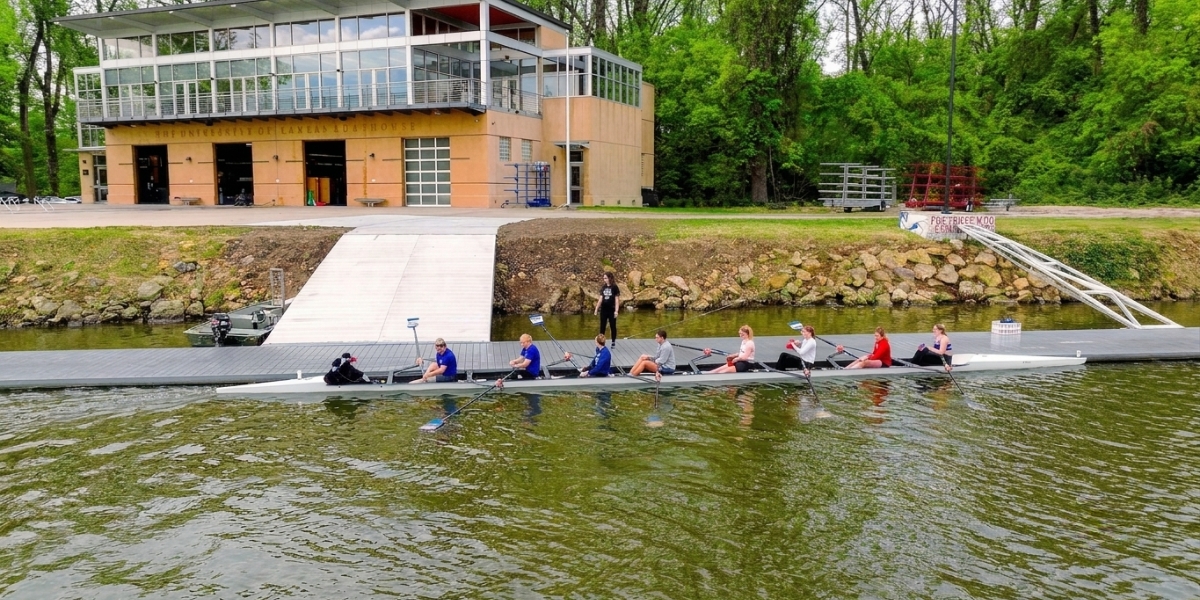
Floating docks can make launching easier for many paddlers because they move with the water level. Unlike fixed docks, floating systems rise and fall as conditions change. This can create a more consistent launch height.
A good kayak launch can help with:
- Easier entry and exit
- Better balance during boarding
- Less strain on knees and hips
- More stable access for beginners
- Improved access for families and public facilities
AccuDock’s article on floating kayak launches versus traditional launch systems explains how different launch designs affect comfort, access, and usability.
Homeowners planning long-term waterfront access may also want to explore residential floating dock systems that can be designed around shoreline conditions, water depth, and recreational needs.
Common Mistakes That Hurt Kayak Safety
Even experienced paddlers can make poor decisions during a busy holiday weekend. The excitement of the day can make people rush, skip steps, or underestimate conditions.
Common mistakes include:
- Not wearing a life jacket
- Launching without checking weather
- Forgetting water or sun protection
- Paddling too close to boat traffic
- Staying out after dark without lights
- Ignoring fatigue
- Choosing a crowded launch site without a backup plan
- Failing to tell someone your route
The best approach is simple: slow down, prepare, and make conservative choices. A safe paddle is more enjoyable than one filled with stress.
Kayak Safety Tips for Families
Families often use summer holidays to introduce children to kayaking. That can be a great experience, but it requires extra planning.
Helpful kayak safety tips for families include:
- Keep trips short for young paddlers
- Choose calm, shallow, protected water
- Use properly sized life jackets for each person
- Stay close enough to communicate clearly
- Bring snacks and extra water
- Avoid crowded boating areas
- Practice getting in and out before leaving shore
Children should understand basic rules before launching. They should know to stay seated, keep hands inside the kayak near docks, listen for instructions, and avoid leaning suddenly.
If your family also enjoys other paddle sports, AccuDock’s guide to kayak storage on floating docks can help you think through safer, cleaner storage between outings.
Kayaking With Pets on the 4th of July
Some paddlers enjoy bringing dogs along for a holiday paddle. If you plan to kayak with a pet, safety should come first.
Fireworks, boat horns, crowds, and wakes can scare dogs. A calm pet on land may behave differently on the water.
Before bringing a dog:
- Use a pet life jacket with a handle
- Practice in calm water before the holiday
- Bring fresh water for your pet
- Protect paws from hot surfaces
- Avoid fireworks crowds
- Watch for signs of stress
AccuDock’s article on kayaking with a dog includes more tips for paddlers who want to bring pets safely.
How Dock Design Can Support Safer Paddling
Kayak safety is not only about what paddlers do. It is also about the access points they use. A well-planned dock can reduce slips, awkward entries, and crowding.
For homes, parks, marinas, camps, and commercial waterfronts, dock design should consider:
- Water level changes
- User age and ability
- Kayak and canoe traffic
- Storage needs
- Launch spacing
- Slip-resistant surfaces
- ADA access goals
- Safe entry and exit paths
Floating docks can be especially useful in areas where water levels rise and fall. They can help maintain a more practical distance between the dock surface and the water.
For broader waterfront planning, AccuDock’s guide to choosing the right floating dock can help property owners compare options.
Frequently Asked Questions About Kayak Safety
What is the most important part of kayak safety?
The most important part of kayak safety is wearing a properly fitted life jacket. A PFD can help keep you afloat if you capsize or become tired. It should be worn at all times, not stored behind the seat or under gear.
What kayak safety tips are most important for beginners?
The most important kayak safety tips for beginners are to wear a life jacket, check the weather, stay close to shore, avoid heavy boat traffic, bring drinking water, and paddle with another person when possible. Beginners should start in calm water before trying longer routes.
Is it safe to kayak during Fourth of July celebrations?
It can be safe if you plan carefully. The Fourth of July brings more boat traffic, crowded launch sites, and reduced visibility near fireworks. Choose calmer areas, stay visible, avoid alcohol, and leave extra time for launching and returning.
Do I need lights on my kayak at night?
In many areas, kayakers need to carry a white light that can be displayed in time to avoid a collision. Rules vary by location, so check local boating regulations before paddling after sunset. Reflective clothing and waterproof flashlights can also help.
Are floating docks better for kayak launches?
Many paddlers prefer floating docks because they stay closer to the water surface as water levels change. This can make entry and exit easier. A floating launch can be especially helpful for beginners, families, and facilities serving many types of users.
What should I do if a thunderstorm approaches while kayaking?
Head to shore right away. Do not wait in open water. Avoid tall isolated objects, metal structures, and exposed shorelines. Wait until the storm has fully passed before deciding whether to continue.
How can families improve kayak safety on holiday weekends?
Families can improve kayak safety by choosing calm water, keeping trips short, using correctly sized life jackets, staying together, avoiding high-traffic areas, and reviewing basic rules before launching. Children should always be supervised closely near docks and shorelines.
Celebrate Responsibly With Better Kayak Safety
The Fourth of July is one of the best times of the year to enjoy paddling, waterfront gatherings, and outdoor recreation. With the right planning, you can enjoy the holiday while making kayak safety a priority.
Wear your life jacket, check the weather, stay visible, avoid crowded boating lanes, and choose launch areas that support safe entry and exit. These simple choices can make your holiday paddle more relaxing and more enjoyable.
If you are looking to improve waterfront access for your home, marina, park, camp, or commercial property, explore AccuDock’s floating kayak and paddle sport dock solutions to create a safer and more convenient launch area.
AccuDock is a global leader in the design and manufacturing of Floating Docks
CALL 954.785.7557 OR EMAIL [email protected] FOR MORE INFORMATION


